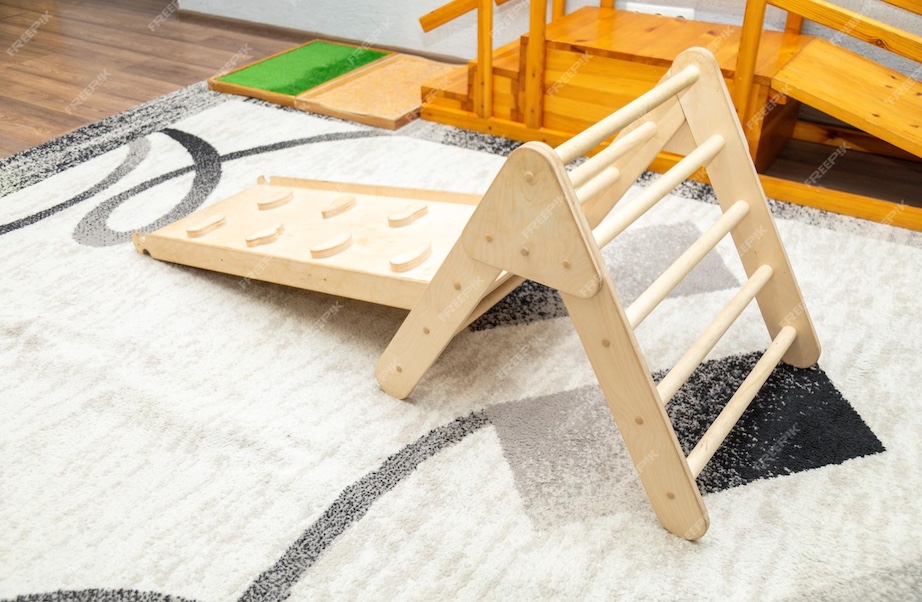
Climbing is one fun activity that most kids like. It naturally benefits children’s cognitive growth, attention to detail, physical fitness, and solving complex issues. However, it is essential always to ensure that your young children are developing these competencies securely. The benefits of climbing toys include offering a stimulating, interactive, and safe setting for children to build stamina. On the other hand, climbing toys such as the Montessori Pikler triangle are also a doorway to thrilling experiences for young kids. Nevertheless, it is crucial to ensure that young ones remain secure while scaling these climbing structures. This article discusses the suitable strategies you can implement when choosing a safe climbing set for your home.
Key Safety Considerations
Fall Protection
Consider safe climbing furniture with fall protection features like secured nets, guardrails, and soft-landing grounds. These elements offer a crucial line of protection against probable falls.
Sturdy Construction
Consider climbing Montessori toys built with superior quality materials and durable building techniques. Strong wooden structures or sturdy metal frames provide resilience and rigidity, ensuring the climbing furniture can withstand the most vigorous activity.
Space Available
Ensure the climbing set you purchase fits in your patch or play zone. Giving the climbing set adequate spaces on all sides is vital to safeguard the children when playing.
Age-Appropriate Design
Pick climbing Montessori toys that fit your kids’ age and stage of development. This helps foster safe and entertaining play involvements while encouraging physical and mental growth.
Weather Resistance
Choose weatherproof Montessori climbing furniture that your kids can climb no matter what. Using materials that do not corrode or deteriorate over time is key when making shades for your climbing furniture.
Best Indoor Climbing Options
Bouldering is a popular indoor climbing option for young rookies because of its smaller partitions. It concentrates primarily on improving the child’s balancing skills. Nevertheless, based on your kid’s level of competence and preferences, top rope climbing or lead climbing are also great indoor climbing options that provide kids with different physically challenging workouts.
Some main ideas for the best indoor climbing options include;
Bouldering:
- Perfect for young learners
- Have short partitions with copious crash pads
- Emphases on strength and performance skills
- It does not necessitate one to have a rope
Top Rope Climbing:
- Offers more modest strain than lead climbing
- Protected by a rope and secured at the top on the other end
- Perfect choice for learning rope handling and protection
Lead Climbing:
- Well thought-out to be more cutting-edge
- Has wall climber pins quickdraws for ascending
- Necessitates more practical abilities and planning
Setting Up a Safe Climbing Space
The benefits of climbing toys are numerous, though climbing equipment can sometimes be unsafe, particularly when misused. Setting up a safe climbing equipment involves the following:
- Choose developmentally suitable climbing space options.
- Consider keeping the weight limits of your climbing space in mind.
- Ensure that the climbing equipment is always placed on a soft surface.
- Add the required safety features to the climbing space if necessary.
Age and Stage
While most parents are advised to allow their kids to start formal climbing lessons around age 5, protocol climbing activities can begin as early as toddler years, with elementary play-based climbing on low structures, around 2 to 3 years. Kids can adequately adhere to instructions and manage safety protocols at these ages. As they advance, options can include bouldering on low walls, rope climbing under strict supervision, and later, more sophisticated routes as their skills, independence, and confidence improve with age and proper training.
Tailor the layout of the climbing set to meet age-appropriate demands and give your kids chances to improve their climbing and physical skills. Young children need climbing spaces designed at low heights with gentle slopes and uncomplex climbing areas. These climbing equipment aids in building a child’s self-assurance and positive self-image. The climbing spaces preferred by older children consist of advanced options, which include rope bridges, climbing walls, and monkey bars.
Conclusion
Choosing safe climbing furniture requires thoroughly examining critical precautions, construction components, design, and age-appropriate aspects. Parents and caregivers may provide an engaging yet safe play space for young kids by putting safety first without losing fun or exploration. Before purchasing a safe climbing set, assess your play area, the kid’s age, and safety features. Little Partners® offers a wide selection of toddler climbing toys. We provide a climbing set that fits incredibly well in a Montessori classroom. Take your time, purchase the best climbing furniture, and watch your children have fun as they play!
Photo by Freepik
Contributed posts are advertisements written by third parties who have paid Woman Around Town for publication.