How to Bounce Back After a Rough Storm at Home

The following curated article is provided by our advertisers. Contributed articles help our readers in categories beyond our main Woman Around Town topics such as legal matters, personal issues, home improvement, and more. While we don’t endorse any of the products mentioned or linked to in these articles, we only publish articles that we hope our readers will find helpful. We often receive compliments about these articles and enjoy them ourselves. We hope you enjoy them as well!

Storms have a rude way of showing up, making a mess, and leaving you to deal with the soggy aftermath. If your home took a hit, it helps to know what to do next without spiraling into panic mode. The good news is that recovery usually goes better when you handle it step by step. You don’t need to know fancy construction terms. You just need a clear plan, a sharp eye, and a little patience while your house stops acting like it just survived a weather tantrum 

First steps indoors

When the storm passes, start inside your home before you focus on the yard. Look for immediate safety problems like active leaks, sparks, broken glass, or ceilings that look swollen and droopy. If water is near outlets or light fixtures, leave that area alone and shut off power if you can do it safely.

Try not to rush outside right away. Fallen limbs, loose shingles, and slick walkways can wait a few minutes while you make sure everyone is okay. Move pets and kids away from damaged spots so nobody turns cleanup into an accidental obstacle course.

Once the urgent safety check is done, the roof, siding, and gutters become the priority, and that is where guessing gets expensive. Hail damage in particular is often invisible from the ground, so a roof can look untouched from the driveway while carrying hundreds of impact marks. A certified storm damage repairing company will document what the storm actually left behind, which matters most when you file an insurance claim rather than after the adjuster has already made up their mind.

Spot damage early

Some storm damage shouts at you. A tree branch through a window is not exactly subtle. Other damage is sneaky and shows up a day later, like a mystery drip or a gutter hanging at a weird angle like it gave up.

Check ceilings for stains, corners for dampness, and window frames for new drafts. Outside, look for missing shingles, dents on downspouts, cracked siding, and piles of roofing granules near the driveway or curb. Those little gritty bits often mean the roof took more of a beating than you first thought.

Pay attention to doors that suddenly stick and windows that won’t close right. Heavy wind and water can shift things just enough to create new problems. Also take a look in the attic if you have one. Damp insulation, musty smells, or tiny beams of daylight can point to roof trouble before a leak becomes a full indoor rain feature.

Protect what you can

You don’t have to fix everything right away, but you should try to stop things from getting worse. Put buckets under drips, move rugs and furniture away from wet spots, and lay towels where water is creeping in. It’s not glamorous, but it works.

Take photos before you move too much stuff. Get wide shots of each damaged area, then close-ups that show details. If a branch hit the fence or part of the roof, photograph that too. Good pictures can save you from trying to explain later what looked like what.

Skip risky hero moves. Don’t climb onto a wet roof with a flashlight and optimism. Temporary protection is fine if it’s safe, like covering broken window glass from inside or placing a container under a leak. But major patching, electrical issues, and anything high up should wait for the right help. Storm recovery is stressful enough without adding a ladder disaster to the story.

Handle the insurance side

Insurance feels less intimidating when you treat it like a paperwork project instead of a giant mystery. Call your insurer sooner rather than later and describe what happened in simple, clear language. You don’t need a dramatic speech. Just explain the date of the storm, the visible damage, and whether the problem is still active.

Write down the claim number, the name of the person you spoke with, and what they told you to do next. Keep all of that in one place, whether it’s a notebook, a notes app, or the world’s most heroic kitchen envelope.

Save receipts for emergency supplies, temporary fixes, and any immediate cleanup you had to pay for. If you had to buy tarps, fans, or replacement locks, that may matter later. It also helps to make a room-by-room list of damaged items. Be honest and specific. “Wet hallway runner” is more useful than “house stuff.” The more organized you are, the less frustrating the process tends to be.

Know when to call pros

A lot of homeowners struggle with the same question: is this annoying or actually serious? Cosmetic problems can sometimes wait a bit. A dented shutter or a few scattered fence pickets are frustrating, but they may not be urgent.

Anything involving water entering the home, roof damage, loose exterior materials, electrical concerns, or structural changes should move up the list fast. Small leaks love becoming expensive leaks. A little stain on the ceiling may be the calm opening act before a much bigger mess.

Professional help also makes sense when the damage is hard to measure from the ground. You might only see one missing shingle, but the real issue could be hidden under the surface. Getting an informed opinion can prevent repeat problems and save money in the long run. Think of it this way: paying attention early is cheaper than funding your ceiling’s attempt to become a waterfall.

Make recovery less stressful

Storm cleanup is part repair project, part mental marathon. The easiest way to keep your sanity is to break the job into categories: safety, water control, insurance, and repairs. Don’t try to solve everything in one afternoon. That’s a fast track to frustration and cold coffee.

Make a short priority list each day. One call, one cleanup step, one follow-up task. Progress counts even when it feels slow. If friends or neighbors offer help, let them. A second pair of hands can be useful, and sometimes you just need someone to hold the flashlight and agree that yes, this is all very annoying.

Most storm damage looks worse on day one because it feels personal. Your home is where life happens, so any disruption feels big. But homes are repairable, messes get cleared, and routines come back. With a steady approach and the right help when needed, you can get things back in shape without losing your cool along the way.

Image by magnific

Contributed posts are advertisements written by third parties who have paid Woman Around Town for publication.


Share This Post:

Bluesky Icon Bluesky
Facebook

For more than 150 years, dental amalgam was the default choice for restoring decayed teeth — durable, affordable, and easy to place. Then composite resin changed the conversation entirely. Today, with the FDA issuing updated…

The American Veterinary Medical Association reports that separation anxiety affects approximately 20-40% of dogs referred to animal behavior specialists — making it one of the most common behavioral issues pet owners face today. As remote…

Every pet owner has faced the middle-of-the-night moment: your dog is retching uncontrollably, your cat is hiding behind the toilet, and you’re standing there wondering whether this warrants a panicked drive to the emergency clinic…

The American Dental Association reports that over 37 million Americans used teeth whitening products in 2023, making it one of the fastest-growing cosmetic dental procedures in the country. Yet most people discover the true cost…

A car key may seem like a small part of a vehicle, but it can cause a big problem when it is lost, damaged, or stops working. A driver may be ready to leave for…

Vintage rugs can add warmth, color, and character to a home. Their older designs often give a room a special look that new rugs may not offer. However, age can also make these rugs more…

How to Choose Between Composite and Amalgam Fillings

For more than 150 years, dental amalgam was the default choice for restoring decayed teeth — durable, affordable, and easy to place. Then composite resin changed the conversation entirely. Today, with the FDA issuing updated guidance in 2020 recommending that certain high-risk groups avoid amalgam fillings when possible, patients increasingly walk into their dentist’s office with questions their grandparents never thought to ask. The choice between a silver filling and a tooth-colored one involves more

read more

How to Help Your Dog Cope with Separation Anxiety

The American Veterinary Medical Association reports that separation anxiety affects approximately 20-40% of dogs referred to animal behavior specialists — making it one of the most common behavioral issues pet owners face today. As remote work patterns shift back toward office settings and families resume pre-pandemic schedules, veterinarians are seeing a surge in dogs struggling with prolonged alone time they haven’t experienced in years. This isn’t just about torn furniture or noise complaints from neighbors.

read more

Physical Signs Your Pet Needs Immediate Medical Attention

Every pet owner has faced the middle-of-the-night moment: your dog is retching uncontrollably, your cat is hiding behind the toilet, and you’re standing there wondering whether this warrants a panicked drive to the emergency clinic or a watchful wait until morning. According to the American Veterinary Medical Association, pets experience millions of emergency veterinary visits each year — yet delayed care remains one of the most common factors that turns a survivable crisis into a

read more

Understanding the Cost of Teeth Whitening

The American Dental Association reports that over 37 million Americans used teeth whitening products in 2023, making it one of the fastest-growing cosmetic dental procedures in the country. Yet most people discover the true cost only after they’ve already committed to treatment — often finding that the initial price quoted represents just the beginning of their investment. As dental practices increasingly position whitening as both a standalone service and gateway to comprehensive cosmetic care, the

read more

Smart Habits That Can Help Drivers Avoid Common Car Key Problems

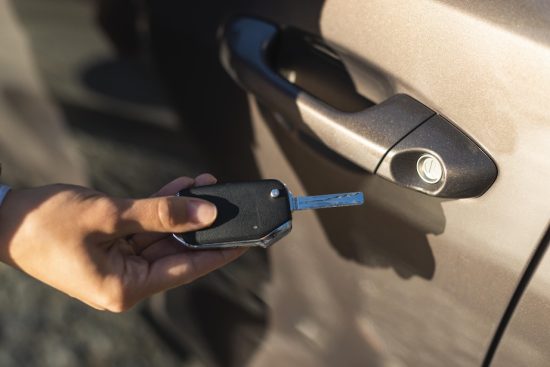
A car key may seem like a small part of a vehicle, but it can cause a big problem when it is lost, damaged, or stops working. A driver may be ready to leave for work, an appointment, or a trip, only to find that the key will not turn or the car will not unlock. Good habits can help reduce the chance of these problems. Keeping a spare key, protecting key fobs, and paying

read more

Tips for Keeping Vintage Rugs Looking Their Best

Vintage rugs can add warmth, color, and character to a home. Their older designs often give a room a special look that new rugs may not offer. However, age can also make these rugs more delicate. Daily foot traffic, spills, sunlight, dust, and moving furniture can slowly affect their condition. With the right care, many older rugs can stay useful and attractive for years. Knowing when a rug needs extra attention is also important. Repairing

read more
You've loaded all available articles in this category

How to Choose Between Composite and Amalgam Fillings

For more than 150 years, dental amalgam was the default choice for restoring decayed teeth — durable, affordable, and easy to place. Then composite resin changed the conversation entirely. Today, with the FDA issuing updated guidance in 2020 recommending that certain high-risk groups avoid amalgam fillings when possible, patients increasingly walk into their dentist’s office with questions their grandparents never thought to ask. The choice between a silver filling and a tooth-colored one involves more

read more

How to Help Your Dog Cope with Separation Anxiety

The American Veterinary Medical Association reports that separation anxiety affects approximately 20-40% of dogs referred to animal behavior specialists — making it one of the most common behavioral issues pet owners face today. As remote work patterns shift back toward office settings and families resume pre-pandemic schedules, veterinarians are seeing a surge in dogs struggling with prolonged alone time they haven’t experienced in years. This isn’t just about torn furniture or noise complaints from neighbors.

read more

Physical Signs Your Pet Needs Immediate Medical Attention

Every pet owner has faced the middle-of-the-night moment: your dog is retching uncontrollably, your cat is hiding behind the toilet, and you’re standing there wondering whether this warrants a panicked drive to the emergency clinic or a watchful wait until morning. According to the American Veterinary Medical Association, pets experience millions of emergency veterinary visits each year — yet delayed care remains one of the most common factors that turns a survivable crisis into a

read more

Understanding the Cost of Teeth Whitening

The American Dental Association reports that over 37 million Americans used teeth whitening products in 2023, making it one of the fastest-growing cosmetic dental procedures in the country. Yet most people discover the true cost only after they’ve already committed to treatment — often finding that the initial price quoted represents just the beginning of their investment. As dental practices increasingly position whitening as both a standalone service and gateway to comprehensive cosmetic care, the

read more

Smart Habits That Can Help Drivers Avoid Common Car Key Problems

A car key may seem like a small part of a vehicle, but it can cause a big problem when it is lost, damaged, or stops working. A driver may be ready to leave for work, an appointment, or a trip, only to find that the key will not turn or the car will not unlock. Good habits can help reduce the chance of these problems. Keeping a spare key, protecting key fobs, and paying

read more

Tips for Keeping Vintage Rugs Looking Their Best

Vintage rugs can add warmth, color, and character to a home. Their older designs often give a room a special look that new rugs may not offer. However, age can also make these rugs more delicate. Daily foot traffic, spills, sunlight, dust, and moving furniture can slowly affect their condition. With the right care, many older rugs can stay useful and attractive for years. Knowing when a rug needs extra attention is also important. Repairing

read more
You've loaded all available articles in this category