Wellness today looks different because tech, smart design, and daily habits now shape it in fresh ways. Not long ago, people followed crowded schedules, tangled health plans, or endless self-help steps – now many prefer clear choices, less clutter, better results. What stands out lately? A quiet move called medical minimalism. It skips the noise. Meaning counts more than volume. Smarter actions beat busyness every time. Less fills the room. Purpose leads instead of pressure.
Right now, clever gadgets help shift how humans connect with health gear. These tools feel easier to use, lighter to carry, often blending quietly into routines. One after another, both trends turn private well-being into a clearer, updated form – closer at hand than before.
The Move to Easier Wellness
Back then, taking care of yourself usually meant long daily rituals, rigid timetables, also piles of pills or gadgets tracked from morning till night. These days? Life moves quicker, particularly in cities where pace feels relentless. Folks find themselves drained before noon, too stretched to stick with anything complex.
Now people lean toward easier ways to feel well, ones that cut through clutter and stick better over time. Rather than juggling separate routines that barely connect, they reach for methods that bring order, steady rhythm – something clearer, closer to center.
Out here, less medicine often means better health – cutting out clutter to keep only what truly helps. Starting simply makes space easier to move through, day after day.
Smart Wellness Devices at Work
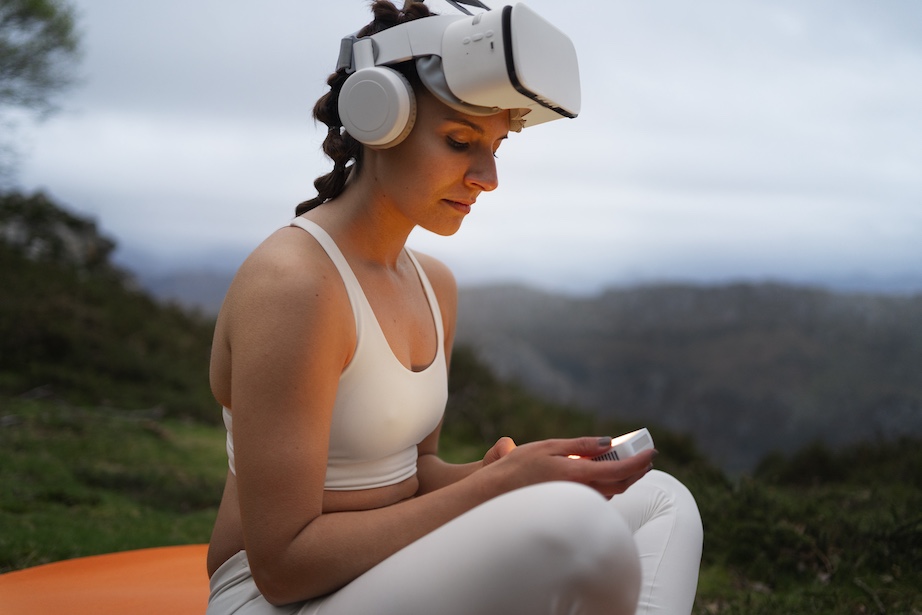
Gadgets today fit more naturally into daily life. Instead of sitting on a shelf, they move with you through your day. Because they’re built to be used easily, people actually keep using them. These tools do more than track data – they connect to habits, routines, places. Their role grows when paired with apps, feedback loops, personal goals. What once felt like machines now feels like quiet helpers along the way.
These systems typically emphasize:
- Clean and minimalist product design
- Easy and intuitive user experience
- Portability for daily use
- Seamless integration into modern routines
Fewer tools mean less juggling. Moving through fewer stages simplifies the process. Instead of stacking software, one thing handles more. Steps shrink when pieces connect directly. Complexity fades where links are trimmed
Wellness now slips into everyday life without demanding extra minutes. Users see it differently because it blends in, rather than standing apart as a chore. What once felt like a task has shifted – now it moves quietly alongside regular habits.
Platforms like Pure Mullein represent this new direction by combining botanical-inspired wellness concepts with modern hardware design principles focused on simplicity and efficiency.
Medical Minimalism in Daily Life
medical minimalism in daily life
Out of simplicity comes clarity – this way of seeing health strips away clutter. When less grabs your attention, what remains matters most. Instead of piling on steps, people begin asking: does this truly help? Step back often reveals that quiet consistency beats frantic effort. What counts isn’t always loud or busy.
In practical terms, this means:
- Reducing unnecessary wellness steps
- Choosing tools that serve multiple purposes efficiently
- Prioritizing consistency over complexity
- Creating systems that are easy to maintain long-term
- Eliminating clutter from daily wellness habits
Staying steady becomes easier when things stay clear. Right now, that matters a lot – screens buzzing, deadlines piling, minds racing. Simplicity cuts through it all.
Functional Wellness and Focus in Everyday Life
What stands out next is how much sharper thinking and staying on task matter now. When days pack too tight, attention frays – noise, screens, hurry pull it apart. Some find their mind dragging by mid afternoon even if they started strong at sunrise.
Now more people are curious about wellness setups helping steady attention along with even energy, yet keeping everyday habits simple. These approaches fit smoothly into life without adding extra steps or confusion.
Modern wellness hardware is often designed to support:
Mental clarity and sustained focus
Reduced cognitive fatigue during work hours
Balanced energy throughout the day
Predictable and controlled usage patterns
Seamless integration into work and home environments
Out of nowhere, people expect more from wellness. Not because experts say so, but because daily life demands it. Gone are the days of chaotic routines piling on stress. Instead, steady patterns pull ahead – reliable, clear, easy to follow through. What sticks now is what feels doable every single day.
The Role of Design in Wellness Tech
How people engage with wellness tools often comes down to layout. Starting fresh each time matters less than clarity does. Simplicity shapes ease of use while quietly building comfort over weeks. Structure guides feeling just as much as function ever could.
A fresh look matters a lot to people focused on well-being today. Products fit better when they match how someone lives, blending quietly into daily spaces.
This includes:
- Minimalist visual design
- Soft, premium materials
- Intuitive interfaces
- Distraction-free usability
- Seamless integration into daily spaces
Out here, clever health gadgets stop being mere devices. They slide into who you are. Life shapes around them without announcement.
The Evolution of Personal Wellness Systems
Hard to get? Not now – basic gear quietly changes everyday health routines. Rather than piling up tech, folks pick simpler setups that work without fuss. Health isn’t a sprint; it grows slowly through small actions those gadgets help support. Step by step, devices slip into routine, fading into the background of days.
These days folks drift from jumbled software toward unified systems easing decisions with less mental noise. A solitary solution works well by managing several jobs cleanly, even weaving in new pieces such as the mullein diffuser into daily health habits.
More people now try complex health setups like Pure Mate 10000, showing a shift into clearer, faster, and current ways of staying well. Still, each person finds their path. Some start slow. Others jump right in.
Conclusion
Out front, tiny gadgets now do big jobs – think sensors that track health without fuss. Not only are devices getting smarter, but they’re also shedding extra parts, focusing on what matters. Behind every sleek band or silent monitor lies a shift toward less clutter, fewer steps. Where once users juggled apps and appointments, simplicity now leads. What results isn’t magic – it’s design tuned to real life. Efficiency sneaks in through quiet updates, gentle reminders, seamless syncs. Little by little, effort fades. The outcome? A calmer rhythm, built not by chance, but choice.
Wellness isn’t found in busyness. Instead, it grows when choices are clear. Life moves fast these days – yet people lean toward less clutter, fewer distractions. What matters now? Cutting noise. Focusing on steps that actually help. Doing things differently means dropping what does not fit. Simplicity becomes the goal, quietly shaping how we live. The path forward feels lighter without extra weight.
This shift isn’t only swapping out items on shelves – suddenly, minds begin reshaping what wellness means amid routine days. Thoughts stretch beyond pills toward rhythm, breath, presence woven into common hours.
Contributed posts are advertisements written by third parties who have paid Woman Around Town for publication.