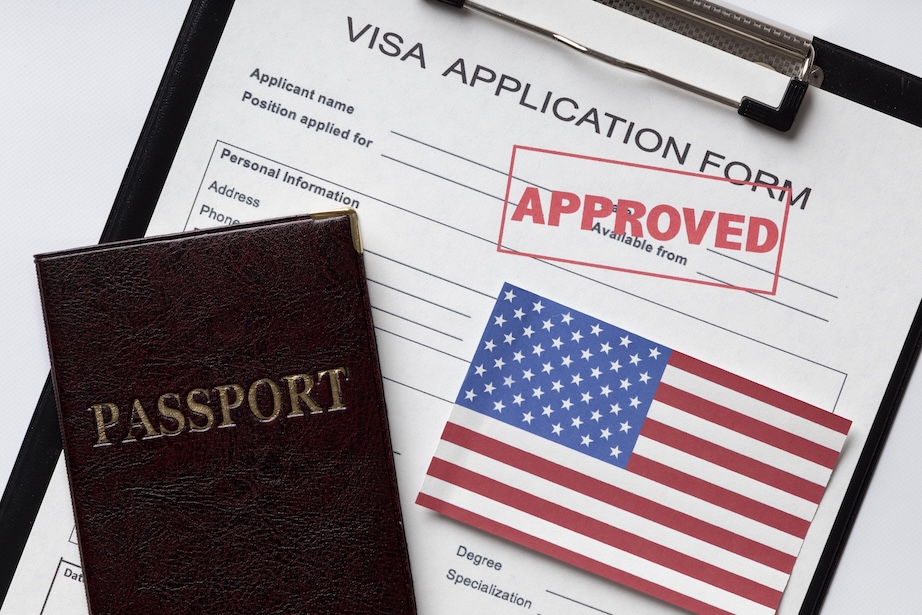
For a commercial trader based around Dallas and Addison, geography is part of the pitch: the Dallas-Fort Worth region ranks among the nation’s premier inland ports, a hub of foreign trade zones, intermodal rail, and global air cargo. That makes it fertile ground for the E-1 Treaty Trader visa, which lets nationals of U.S. treaty countries live here while running cross-border trade. The E-1 carries no minimum investment; it turns on substantial, continuous trade, with more than half flowing between the U.S. and your treaty country. Proving that story is where the right attorney earns their fee.
That is the catch. A general immigration attorney who spends most of the week on family petitions or asylum cases is rarely the person you want building a trade binder full of bills of lading and customs records. You want counsel who files E-1 petitions as a matter of routine and knows how a consular officer reads them. A business-focused practice such as Pollak Immigration Law – E-1 visa attorney is the kind of firm built for this work, and the points below will help you judge whether the attorney you are considering measures up.
Start With Real Trade Specialization
Not every immigration lawyer handles treaty cases, and the gap between “can do it” and “does this every week” matters here. Confirm that the attorney files E-1 petitions and consular packets regularly rather than treating yours as a one-off, and ask whether their caseload leans toward business and treaty visas or toward family and removal work.
They should also understand what sets the E-1 apart. The category rewards the frequency and continuity of trade, so think dozens of recurring shipments or service contracts across a year, not a single headline deal. A lawyer who keeps steering toward capital investment may be describing a different visa. And they should know the treaty between the U.S. and your home country, along with the rule that treaty nationals must own at least 50 percent of the enterprise.
Weigh Their Track Record With Documentation
An E-1 case lives or dies on paperwork, so the attorney’s comfort with trade records tells you a lot. A seasoned lawyer knows that consulates and USCIS care more about a steady drumbeat of transactions than one large sale. They will guide you on assembling commercial invoices, bills of lading, customs declarations, wire transfers, and profit-and-loss statements that prove more than half of your international trade runs between the U.S. and your treaty country.
If you plan to bring staff or manage the operation yourself, the lawyer must also show how to document that the role is executive, supervisory, or built on essential specialized skills. Vague assurances here are a warning sign.
Understand the Filing Strategy
Where and how you file changes the whole approach, and a strong attorney will explain the trade-offs before you commit. If you are applying from abroad, they should be fluent in the direct-to-consulate steps the State Department sets out for the treaty trader visa, including forms such as the DS-160 and DS-156E, which vary in style and timing from one post to the next. If you are already inside the country in valid status, they should walk you through filing Form I-129 with USCIS instead.
Be wary of anyone who promises guaranteed approval or a quick fix. A trustworthy lawyer talks openly about the chance of a Request for Evidence or pointed interview questions about your trade volume, and prepares you for both.
Questions Worth Asking in the Consultation
A short, direct conversation reveals more than a glossy website ever will. A few questions tend to separate the specialists from the generalists:
- How many E-1 applications have you prepared and filed in the past 24 months?
- Do you handle the consular registration packet yourself, or coordinate with local foreign counsel?
- How will you review our shipping and transaction history to confirm the trade is principally between the U.S. and our treaty country?
- Who in your firm will draft the trade binder and serve as my point of contact?
- What is your fee structure, and what happens if the consulate issues a Request for Evidence?
Conclusion
The right E-1 attorney is a specialist, not a generalist who dabbles. Look for deep business-immigration experience, real fluency with trade documentation and the 50 percent ownership rules, and honest talk about timelines and risk. Vet a few firms, ask the hard questions, and pick the one that treats your trade story as the heart of the case.
Contributed posts are advertisements written by third parties who have paid Woman Around Town for publication.