Regular Bread Has 2-4 Grams Per Slice: Time for an Upgrade
Sandwiches represent daily staples for millions of people worldwide. Lunch boxes get packed with turkey and cheese between two slices. Toast appears at breakfast tables every morning. The problem? Regular bread delivers minimal protein while packing mostly carbohydrates and empty calories.
A platform called Protein-Bread.com is rewriting bread nutrition with 27+ macro-verified options. The site features high-protein bread recipes delivering 8-15 grams of protein per slice compared to standard white bread’s meager 2-4 grams. People following high-protein diets no longer sacrifice sandwiches and toast. Each bread recipe transforms familiar loaves into muscle-supporting nutrition.
The Macro Gap in Standard Loaves
Store-bought sandwich bread relies heavily on wheat flour or purpose flour as a base. Carbs dominate the nutrition label. Fiber stays minimal. Protein content barely registers as meaningful for anyone tracking macros seriously.
Commercial whole wheat flour versions improve slightly on fiber. The protein per slice still hovers around 4 grams maximum. Active individuals need triple that amount just from bread before adding sandwich fillings.
How Protein Gets Boosted Naturally
Simple ingredients create dramatic nutrition improvements. Greek yogurt adds creaminess plus significant protein. Cottage cheese blends into dough seamlessly for a fluffy texture without detectable taste. Whole eggs and egg whites increase protein while maintaining traditional bread structure.
Protein powder integration requires careful measurement. Too much powder creates dry, crumbly results. The right amount produces a nice loaf texture matching regular bread expectations. Whey protein works best for neutral flavor profiles.
Almond flour reduces carbs while adding protein and healthy fats. The flour creates a denser texture similar to artisan loaves. Seeds, including chia, flax, and pumpkin, boost protein plus fiber naturally.
Bread Machine Versus Hand Methods
Bread machine users dump ingredients and wait. The machine handles mixing, kneading, and baking automatically. Programs account for different flour types. High-protein bread emerges golden brown after preset cycles are complete.
Hand mixing gives more control over dough consistency. Stand mixer attachments knead dough at low speed for 8-10 minutes. The dough feels sticky initially with high-protein additions. More flour gets added gradually until the texture improves.
Traditional kneading builds gluten structure. Protein bread requires patience during rise times. The dough needs to double before baking. Wait times match regular bread recipes despite different ingredients.
Gluten Free Protein Options
Gluten-free versions skip wheat entirely. Almond flour serves as the primary base. Baking powder replaces yeast for quicker preparation. The bread bakes in a loaf pan lined with parchment paper.
Texture differs from yeast-risen loaves, but it works fine for toast and sandwiches. Each slice still delivers substantial grams of protein. People avoiding gluten maintain protein intake through bread consumption.
Baking and Storage Basics
Loaves bake until golden brown on top. Insert a toothpick to test doneness. The bread should feel firm when pressed lightly. Remove from the pan immediately after baking finishes.
Cool completely on a wire rack before slicing. Hot bread cuts poorly and creates compressed slices. Wait 30-60 minutes for best results. Fresh bread tastes delicious, still warm from the oven.
Store sliced bread in an airtight container at room temperature. Loaves stay fresh 3-4 days typically. Freeze extra slices for longer storage. Frozen bread can be toasted directly without thawing.
Recipe Variations Beyond Basic Loaves
Sourdough protein versions use starter cultures for tangy flavor. The fermentation improves digestibility naturally. Grams of protein stay high despite slower rise times.
Sweet bread recipes incorporate honey or maple syrup minimally. Cinnamon swirl versions satisfy morning sweet tooth cravings. Banana protein bread works as a breakfast or snack option.
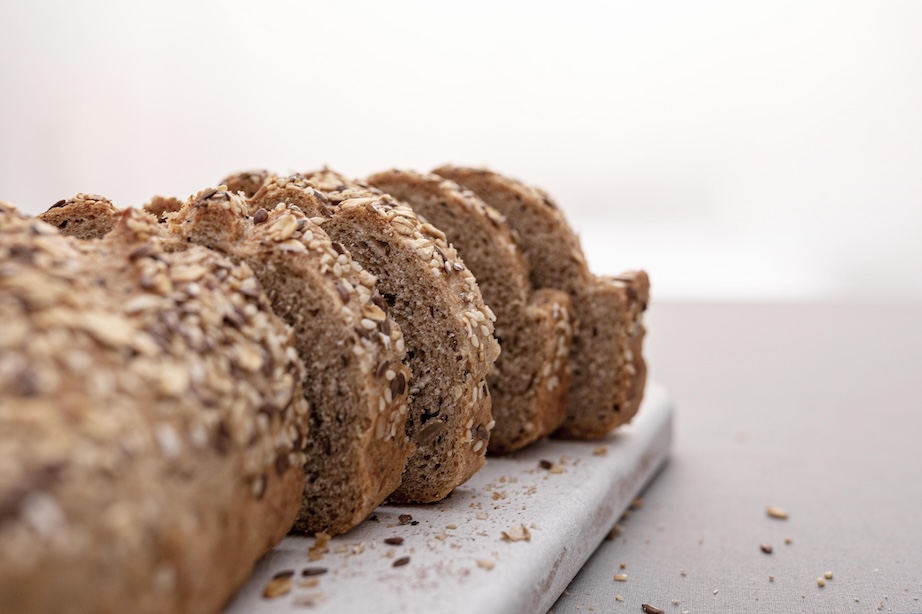
Seed-crusted loaves add crunch to the crust exterior. Mix seeds into the dough for texture throughout. The variety prevents bread boredom across weekly meal plans.
Nutrition Comparison Reality
A protein bread slice contains 8-15 grams of protein, typically. Compare two slices at 16-30 grams total. Regular white bread provides 4-8 grams maximum for two slices.
Carbohydrates drop significantly in almond flour versions. Traditional wheat-based protein bread maintains moderate carbs. Fiber increases across all recipes versus standard store options.
The nutrition supports muscle maintenance and growth. Blood sugar spikes decrease with balanced macros. Satiety lasts longer after meals, including protein bread.
Making Sandwiches Work for Macros
Protein bread transforms sandwich nutrition dramatically. Add lean turkey or chicken breast. Include vegetables for vitamins and crunch. The bread alone contributes meaningful protein before fillings.
Grilled cheese gets healthier with a protein bread base. Eggs on toast become complete protein meals. Avocado toast includes balanced fats and protein together.
Breakfast sandwiches support morning protein targets easily. Meal prep becomes simpler with bread delivering substantial nutrition. Kids eat sandwiches daily without questioning ingredient changes.
Taste Test Feedback
Most people notice a minimal difference from regular bread. The texture stays fluffy and soft. Toast browns normally under heat. Butter melts into warm slices identically.
Some recipes taste slightly denser than store-bought white bread. The difference feels insignificant compared to nutrition gains. Fresh-baked bread beats packaged options regardless of protein content.
Frequently Asked Questions
Can I use bread flour or whole wheat flour instead of all-purpose flour in protein bread recipes?
Yes, bread flour creates a chewier texture while whole wheat flour adds fiber, though both may require slight liquid adjustments compared to all-purpose flour.
What ingredients boost protein content without making bread taste like protein powder?
Greek yogurt and cottage cheese add significant protein while maintaining a fluffy texture and neutral taste, unlike heavy protein powder additions that can dry out loaves.
Contributed posts are advertisements written by third parties who have paid Woman Around Town for publication.