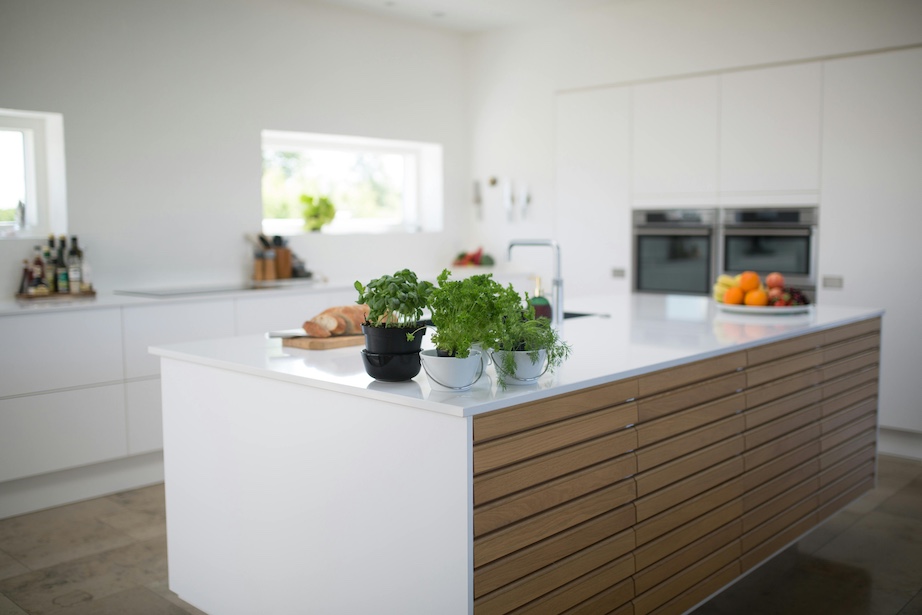
Did you know that people who prepare meals at home consume fewer calories and more nutrients compared to those who rely on takeout? Yet, many people feel discouraged when they step into their kitchen. Small spaces, poor layouts, or dark interiors can make cooking feel like a task instead of something enjoyable. When the kitchen is uninviting, people often turn to processed foods or fast food as an easier option.
This is a real issue because what happens in the kitchen sets the foundation for daily health. Cooking is not only about preparing food—it also shapes how often we eat fresh produce, how balanced our meals are, and even how much money we spend on groceries versus restaurants. From compact apartments to family homes in Seattle, the design and atmosphere of the kitchen play a bigger role in lifestyle choices than most people realize.
The good news is that the kitchen can be redesigned to support healthier eating. With thoughtful planning and smart choices, anyone can create a space that encourages better habits.
Why Design Directly Influences Eating Patterns
The way a kitchen looks and functions directly impacts whether people enjoy cooking at home. A messy countertop, limited counter space, or a poor arrangement of appliances makes meal prep stressful. In contrast, a clean, well-organized, and efficient kitchen encourages cooking from scratch.
A kitchen that supports efficiency and organization gives people fewer reasons to avoid cooking and more reasons to prepare nourishing meals.
When it comes to bigger improvements, design choices such as lighting, storage solutions, and traffic flow often require expert input. Professionals can help homeowners rethink their kitchens in ways that make cooking easier and more enjoyable. For instance, partnering with a kitchen remodeling company in Seattle can ensure that every detail—from cabinet placement to countertop surfaces—is tailored to encourage home cooking.
By combining functional layouts with modern upgrades, such companies create kitchens that inspire healthier daily routines and long-term habits.
Layouts That Make Cooking Easier
A poorly designed layout makes even simple cooking tasks frustrating. For instance, if the fridge, sink, and stove are far apart, preparing a meal requires constant back-and-forth movement. This wastes time and energy. On the other hand, a smart layout reduces unnecessary steps and helps people stay focused on cooking.
The most common approach is the “work triangle,” where the sink, stove, and refrigerator are placed at efficient distances from one another. This setup keeps the main tasks of washing, cooking, and storing food within easy reach. A well-thought-out kitchen layout encourages frequent use of the space. When cooking feels smooth and convenient, people are more likely to prepare balanced meals instead of ordering food. Collaborating with local kitchen remodelers can bridge the gap between architectural theory and daily reality by tailoring these classic spacing guidelines to a household’s specific cooking habits. Their structural expertise ensures that customized storage and tailored traffic lanes work in harmony to remove physical friction from the meal preparation process.
Storage That Puts Healthy Options First
Storage plays a big role in how food choices are made. If the pantry is cluttered or unhealthy snacks are the first thing seen, people are more likely to grab what is convenient instead of what is nutritious. Smart storage design helps shift habits toward healthier options.
Clear containers for whole grains, nuts, or dried fruit make it easy to see what is available. Open shelving that displays fresh produce keeps fruits and vegetables visible and inviting. Organized pantries with labeled sections reduce the stress of planning meals. When healthy food is easy to find, it becomes the natural first choice. A kitchen that promotes visibility and accessibility helps turn better eating into a daily routine.
Appliances That Support Healthy Meals
Appliances do more than speed up cooking; they influence what people choose to eat. For example, a high-quality blender makes it easier to prepare smoothies packed with fruits and vegetables. A steamer helps retain nutrients in vegetables, while an air fryer reduces the need for excessive oil.
Small appliances like food processors or spiralizers make it easy to prepare creative and healthy dishes. Even investing in durable cookware, such as non-stick pans that require less oil, can support healthier cooking. Having the right appliances at hand removes barriers to eating well. Instead of relying on fast food, people are encouraged to make quick, wholesome meals at home.
Surfaces and Materials That Make Cooking Enjoyable
The surfaces in a kitchen affect how easy it is to prepare and clean up meals. Countertops that stain easily or are hard to clean discourage frequent cooking because they create extra work. Choosing surfaces like quartz or solid-surface materials makes a big difference. Quartz is durable, non-porous, and resistant to bacteria, which helps keep the kitchen safe and hygienic. Stainless steel is also popular in professional kitchens because it is heat resistant and easy to sanitize.
Cutting boards, too, matter for food safety. Wood boards are less likely to dull knives, while plastic boards can be cleaned at high temperatures. Having the right mix of surfaces makes meal preparation more pleasant and less stressful. When cleanup is simple, people are more willing to cook at home regularly.
The Psychology of Colors in the Kitchen
Colors influence mood and appetite in subtle but important ways. Research in environmental psychology has shown that warm tones like red or orange can stimulate appetite, while cooler shades like blue or green can have a calming effect. A kitchen painted in light, neutral colors such as white or beige often feels open and inviting, making people more likely to spend time cooking there.
Adding accent colors through cabinets, tiles, or accessories can create energy in the space. For example, soft greens can evoke freshness and connect the kitchen to nature. Meanwhile, yellow tones can create a cheerful, uplifting environment. The right balance of colors creates a space that feels both functional and enjoyable, supporting healthier food choices by making time in the kitchen more appealing.
Spaces That Encourage Social Cooking and Family Meals
Cooking and eating together as a family or with friends is linked to better nutrition. A report notes that families who eat together consume more fruits and vegetables and fewer processed foods. Designing a kitchen that encourages gathering can make these shared meals easier and more frequent.
Features such as a kitchen island with seating, a breakfast nook, or open-plan layouts help create a social environment. These spaces invite conversation while food is being prepared and make mealtimes feel more relaxed. Even small kitchens can benefit from foldable tables or bar-style counters that create opportunities for shared meals. A kitchen that supports social cooking not only improves diet quality but also strengthens relationships.
The design of a kitchen has a direct impact on how often people cook and what they choose to eat. Bright lighting, efficient layouts, smart storage, and supportive appliances all make healthier choices easier. Surfaces, colors, and social spaces shape the overall atmosphere and influence how much time people want to spend preparing meals. Sustainable materials and professional planning add lasting value while promoting better health.
Photo by Rene Terp at Pexels
Contributed posts are advertisements written by third parties who have paid Woman Around Town for publication.