

A cross-country move can look simple on a checklist and still feel chaotic when real life starts interfering. If you’re planning a move from or through Phoenix, you also have to think about heat, timing, traffic corridors, and the way desert living affects packing and storage. Before you start boxing up your life, it helps to understand what long-distance moving actually involves, what can go wrong, and where smart planning saves you money, time, and stress.
Start With the Parts of Moving People Usually Underestimate
Most people focus on the truck and the moving date. The harder part is everything orbiting those things. Inventory, access, insurance valuation, delivery windows, and building restrictions can shape your move more than the number of boxes in your bedroom.
If you’re leaving a Phoenix apartment, for example, elevator reservations and parking rules may affect loading time. In suburban neighborhoods, HOA rules sometimes limit when a large van can park on the street. That sounds minor until a delay pushes your loading into the hottest part of the day.
You also need a realistic inventory. Not a rough guess. Movers price and plan based on volume, weight, labor, and logistics. If you forget patio furniture, garage shelving, or exercise equipment, your quote may stop matching reality very quickly.
Choose a Mover Based on Process, Not Just Price
A low quote can be real, or it can be the opening move in a bad experience. What you want is a mover with a clear survey process, transparent terms, and actual interstate credentials. For an interstate move, the company should operate under federal registration and provide the proper documentation for valuation coverage, dispute procedures, and delivery windows.
If you’re comparing providers, pay attention to how they inspect your shipment. Do they do a detailed virtual or in-home survey? Do they ask about stairs, narrow hallways, and fragile items? Do they explain transit timing in plain English?
If you’re relocating out of the Valley of the Sun, working with a Phoenix long distance moving company can make the planning process easier when that company already handles interstate household moves, packing support, transportation logistics, and destination coordination as part of its normal operation.
Understand the Difference Between a Quote and a Final Bill
Long-distance moving estimates are not all built the same way. Some are binding, some are non-binding, and some use a not-to-exceed structure. If you don’t know which one you signed, you’re already in a weak position.
A binding estimate locks pricing to the listed shipment and services, assuming your inventory and conditions stay accurate. A non-binding estimate can shift based on actual shipment weight or labor needs. Not-to-exceed pricing gives you a ceiling while still allowing a lower total if your shipment comes in lighter.
Ask what triggers additional charges. Long carry fees, stair carries, shuttle service, storage-in-transit, and packing materials can all change the final number. A polished estimate means very little if it doesn’t reflect your actual home, your access conditions, and the services you’ll need on moving day.
Timing Matters More Than Most People Expect
Long-distance moves run on capacity planning, route scheduling, and seasonal demand. Summer tends to be expensive and crowded, especially for families moving around school calendars. End-of-month dates also book quickly because lease cycles create a surge in demand.
Phoenix adds another layer. Extreme heat changes how early crews need to start and how carefully heat-sensitive items must be handled. Candles, electronics, vinyl records, cosmetics, and certain medications can be damaged faster than many people realize.
If your schedule has any flexibility, ask for a range of loading dates instead of a single fixed ideal. That can open better routing options and lower rates. It also helps to build a personal buffer of a few days on the delivery side, especially if you’re starting a job, ending a lease, or coordinating school enrollment right after arrival.
Packing Is Where Damage Prevention Actually Happens
People love to talk about careful driving, but most moving damage starts before the truck leaves. It starts with weak boxes, poor weight distribution, loose items inside cartons, and furniture that wasn’t prepped for vibration over hundreds or thousands of miles.
Books belong in small boxes. Lampshades need their own protected space. Cords should be labeled before they disappear into a random kitchen bag. TVs need either original packaging or specialty cartons. If you’re packing framed art, mirrors, or monitors, edge protection matters as much as the outer box.
Desert homes bring their own issues. Dust can settle into stored garage items, and heat can weaken old tape and brittle plastic bins. Don’t use grocery-store leftovers for a major interstate move if the contents matter. Use fresh materials, seal liquids separately, and keep documents, jewelry, chargers, and daily essentials with you instead of loading them onto the truck.
Plan for the First 72 Hours, Not Just the Move Itself
A smart move plan doesn’t end at delivery. Your first three days in a new place often determine whether the whole experience feels manageable or miserable. That means your essentials box needs to be deliberate, not random.
Pack clothes for several days, medications, toiletries, bedding, pet supplies, basic tools, a shower curtain, chargers, and enough kitchen items to make coffee and a simple meal. If you have kids, include favorite comfort items and school records. If you’re moving for college, work, or a family transition, keep identification and important paperwork on your person.
Also think about utilities, internet installation, and building access before the truck arrives. A beautiful delivery means very little if the elevator is blocked, the power isn’t on, or your bed hardware is buried in an unlabeled box that somehow landed behind eight others.
Watch for Red Flags Before You Hand Over Anything
A few warning signs show up again and again in bad moving stories. One is a quote that feels wildly cheaper than everyone else’s. Another is a company that won’t do a proper survey but still promises an exact price. A third is vague language around pickup dates and delivery spread.
Read the paperwork. Check cancellation terms, valuation options, and claims procedures. Find out whether the mover is handling the shipment directly or brokering it to another carrier. You should also confirm how customer service works once your shipment is in transit. A phone number with no accountability won’t help much when your delivery window starts slipping.
The best moving experiences rarely look glamorous. They look organized. They come from asking direct questions, documenting your inventory, labeling clearly, and choosing a company that treats logistics like a system instead of a sales pitch.
A Good Move Feels Boring in the Best Way
That may sound strange, but the strongest long-distance moves are the ones without surprise fees, mystery timelines, or panicked late-night repacking. You want predictability. You want clear communication. You want a crew that knows how to move your stuff across state lines without turning every step into a negotiation.
If you plan early, verify the estimate structure, pack with intention, and prepare for the first days after arrival, the entire move gets easier to manage. You still have a major life change on your hands. That part never becomes effortless. What can change is the amount of friction built into the process.
A cross-country move is never only about transportation. It’s about leaving one routine and building another. The more carefully you handle the logistics, the more room you give yourself to focus on the life waiting on the other side.
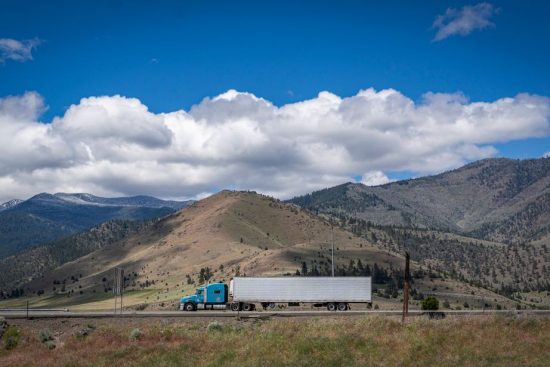
Photo by Laszlo Magyar on Pexels.com
Contributed posts are advertisements written by third parties who have paid Woman Around Town for publication.