The smartest move when trying to figure out your preferred home style is to first decide how much flexibility you need. The benefits of semi custom homes vs custom homes can matter just as much as whether you love a modern farmhouse kitchen or a clean-lined contemporary exterior.
Once you get clear on how you live day to day, choosing the right home style becomes way less about trends and way more about fit.
Prioritize lifestyle over aesthetics
Before you fall in love with a facade, think about the routines your home needs to support:
- Do you host often, or is your ideal Friday night a quiet reset?
- Are you cooking daily, working from home, chasing kids (or pets) around, or all of the above?
- Do you want everything on one level, or are you fine with stairs if it gets you better separation between work, sleep, and social space?
These questions are meant to narrow your options in a helpful way.
Consider size and layout expectations
The median size of a new single-family home sold in 2024 was 2,210 square feet, and the median sales price was $420,300.
That doesn’t mean your home should be that size, but it does give you a baseline to pressure-test your needs. If your lifestyle truly fits into something smaller, you may have more budget room for details that make a style feel intentional, like windows, ceiling heights, exterior materials, and built-ins.
Match common home styles to how you actually live
A modern farmhouse works well if you want cozy, social spaces, and you like a blend of classic and clean. It tends to favor open sightlines and easy indoor-outdoor flow. Just make sure it doesn’t turn into an echo chamber if you need quiet zones.
A colonial-inspired home is great for people who prefer defined rooms and separation. If you work odd hours, host guests often, or want a calmer feel, this style’s layout patterns can support that. It can also age well visually if you keep the exterior details consistent.
If you want easy movement and fewer stairs, the ranch style is all about everyday comfort. It can also make additions like wider hallways or a larger primary suite feel more natural.
If you’d rather spend your weekends living than maintaining, the smaller footprint of a townhome can be a great fit. It’s also easier to make a smaller home feel finished and cohesive, because you’re designing fewer “extra” spaces.
Don’t ignore how you work
Even if you’re not fully remote, work is influencing home decisions more than it used to. Among employed adults with jobs that can be done from home, 75% work remotely at least some of the time.
So, a home office isn’t the luxury add-on that it used to be. It’s often a core room, and if you’re choosing between styles, look for layouts that let you create a workspace with a door, or at the very least a quiet corner that doesn’t double as your dining table.
Don’t go into the project lightly
At some point, most buyers flirt with the idea of a fixer-upper, and sometimes that’s a smart route. But more often, it’s an ambitious fantasy fueled by one too many renovation reels.
If your life is already full, choose a home style and plan that reduces friction. Renovations can be rewarding, but they add decisions, delays, and budget risk. If you love projects and have time to manage them, older homes with strong bones can be a great canvas, but most people should look for a path that gives them more predictability.
Make home planning a practical exercise
A simple way to keep yourself honest during home planning is write down your non-negotiables, then link each one to a layout feature.
- “I want to host” ? open kitchen and seating that isn’t cramped
- “I need quiet” ? defined rooms or a split-bedroom plan
- “I want less clutter” ? mudroom drop zone and storage where it’s used
- “I want sunlight” ? window placement and orientation considerations
This also helps you avoid style whiplash. You can love both classic and modern, but if your non-negotiables point to defined rooms, you’ll likely be happier in a style that supports that structure.
Prioritize function
If you’re torn between styles, choose the one that best supports how you want the home to work. In the National Association of Realtors’ 2025 Remodeling Impact Report, the most important reported result of remodeling projects was better functionality/livability (28%).
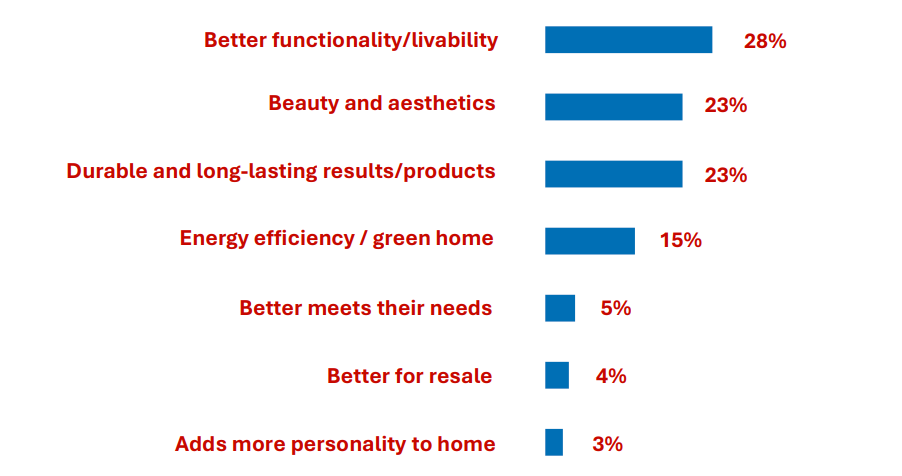
[Source: GAOR]
You might start with aesthetics, but you’ll end up happiest if the home supports your routines, because the real goal is to end up in a dream home that feels right on a Tuesday when nobody’s coming over, the dishes are in the sink, and you’re just living life.
Image by muhammad.abdullah on Freepik
Contributed posts are advertisements written by third parties who have paid Woman Around Town for publication.