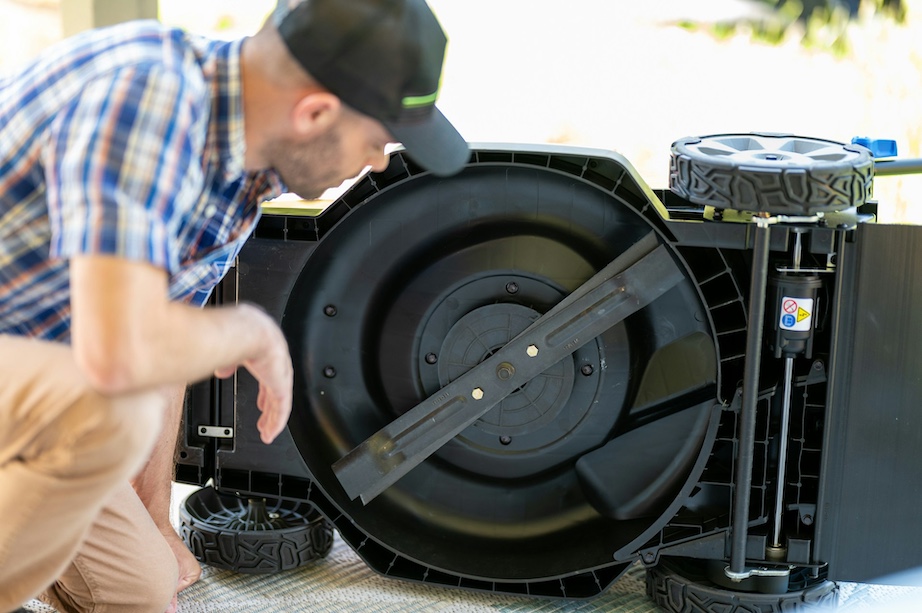
Your outdoor equipment plays a vital role in keeping your garden, yard, or other spaces looking pristine year-round. From lawnmowers to trimmers, these tools are your trusted companions. However, regular care and maintenance are essential to keep them in peak condition. Neglecting these tasks can lead to reduced efficiency, costly repairs, or even complete replacements.
At first, maintaining outdoor equipment might feel overwhelming. You may wonder which parts need attention and when. That’s why we’ve put together this blog filled with practical tips to help you ensure your tools are ready to perform their best, no matter the season.
Let’s dive in.
1. Regular Cleaning and Inspection
Dirt, debris, and rust are the enemies of outdoor tools. They can build up quickly, compromising functionality and even shortening the lifespan of your equipment. Cleaning your tools after each use doesn’t just improve their appearance; it helps them function smoothly.
For lawnmowers and trimmers, clear grass clippings, mud, and grease from blades and housing. Use a soft brush or cloth and a mild cleaning solution to avoid damaging the finish. Power tools can be wiped clean with a damp cloth and stored properly to prevent rust.
Routine Inspections for Hidden Wear and Tear
A quick inspection before and after each use can save you from larger headaches later. Look out for worn-out parts, cracks, or other signs of damage.
For instance, check the ball bearings in your mower wheels or trimmers. Smooth and functioning bearings are crucial for efficient operation. If you notice wear or grinding, it’s time to replace them. Fortunately, you can order high-quality ball bearings and other parts online from reputable sellers. Regular inspections and timely replacements keep your equipment running smoothly and efficiently.
2. Seasonal Storage Tips
Seasonal changes demand specific care for your outdoor equipment to keep it in peak condition. Below, we have some seasonal tips to ensure they withstand harsh winter conditions and stay ready for use when you need them.
Winterizing Outdoor Equipment
Cold temperatures can wreak havoc on outdoor tools if you’re not prepared. For winter, start by draining fuel or oil from machines like lawnmowers or chainsaws to prevent freezing and gumming up the system.
Store smaller equipment indoors or in a shed to protect it from rust and cold-related damage. Cover larger tools with weather-resistant tarps and ensure they are placed in dry, well-ventilated spaces.
Summer Maintenance Essentials
The summer heat can also take a toll on your equipment. Prepare by lubricating moving parts and inspecting hoses and seals for cracks or leaks. This keeps your tools functioning optimally, even during peak usage. A little prep before summer can save you from breakdowns when you need your equipment the most.
3. Proper Lubrication and Mechanical Care
Lubrication is one of the easiest yet most effective ways to extend the life of your tools. It reduces friction and wear, ensuring mechanical parts move smoothly.
For example, apply lubricants to axles and ball bearings to prevent stiffness and improve efficiency. Use manufacturer-recommended oils or greases to ensure compatibility and long-lasting results.
Minor issues like stiff handles or loose screws can snowball into bigger problems if ignored. Regularly inspect your equipment for such problems and address them immediately.
Tighten screws, replace worn-out handles, and ensure all components are securely attached. These small fixes can significantly enhance the functionality and longevity of your tools.
4. Choosing the Right Tools for All-Weather Durability
When buying outdoor equipment, opt for tools made from stainless steel, coated metals, or weather-resistant plastics. These materials withstand harsh conditions, whether it’s rain, snow, or the scorching sun. Tools designed for durability will save you money and effort in the long run.
Look for equipment with weather-sealed power components and durable parts like reinforced gears or high-quality bearings. Investing in tools built for all-weather use ensures consistent performance and reduces the frequency of replacements.
For heavier-duty outdoor maintenance tasks, especially those involving large surfaces or stubborn buildup, many professionals rely on commercial cleaning equipment from https://hotsysouthtexas.com/, which specialize in industrial-grade solutions designed for durability and long-term performance.
5. Creating a Maintenance Schedule
Consistency is the backbone of effective maintenance. Scheduling regular check-ups for your tools ensures that you catch potential issues early. Set reminders for monthly inspections and seasonal tasks to keep everything in check. A little effort now saves you from major repairs or replacements later.
Your maintenance routine should adjust with the seasons. In the summer, focus on blade sharpening, fuel checks, and lubrication. For winter, prioritize cleaning, drying, and safely storing your equipment. Each season presents unique challenges, but a proactive approach prepares your tools for action.
Conclusion
Caring for your outdoor equipment doesn’t have to be overwhelming. With the above strategies, you can ensure your tools are always in top shape. Investing in durable materials and following a consistent maintenance schedule not only extends the lifespan of your equipment but also enhances its performance. So, take the first step today—inspect your tools, clean them up, and consider professional help for any significant issues.
Photo by Michael Kahn on Unsplash
Contributed posts are advertisements written by third parties who have paid Woman Around Town for publication.