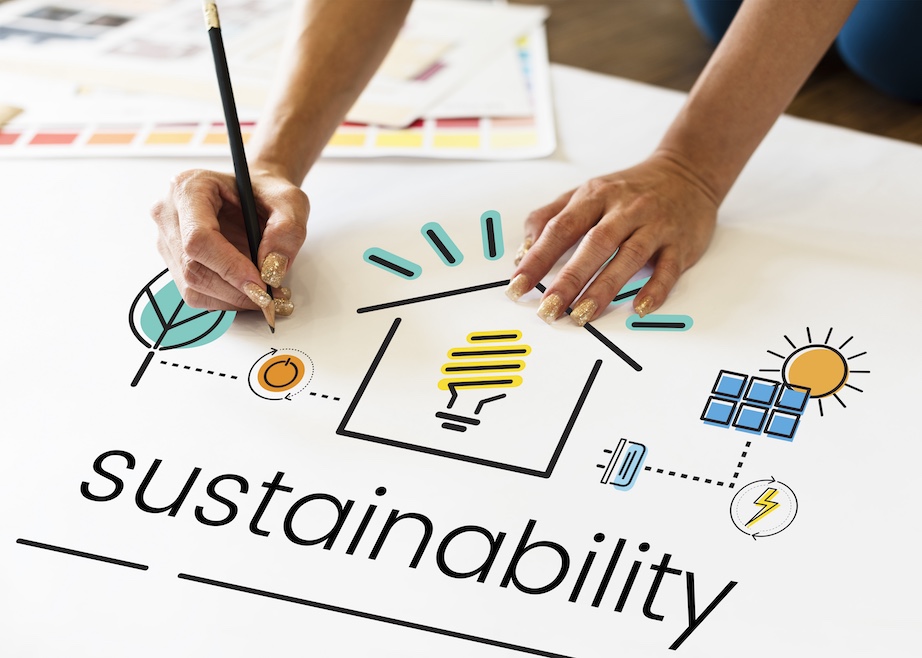
Most people think they’re doing their part by tossing bottles in the blue bin, but recycling represents just a fraction of what sustainable living actually means. Real home sustainability goes deeper than sorting plastics from paper.
Understanding the Sustainability Hierarchy
Before diving into specific actions, it’s helpful to understand that not all eco-friendly efforts carry equal weight. The waste hierarchy places recycling near the bottom of effective strategies, with reduction and reuse ranking far higher in impact.
Think of it this way: recycling aluminum cans is good, but never buying single-use cans in the first place is better. This principle applies across every aspect of home sustainability. The most powerful changes address consumption at its source rather than managing waste after it’s created.
Energy Use: The Hidden Giant
Your home’s energy consumption likely represents its largest environmental impact. While most people associate sustainability with visible actions like composting, the invisible flow of electricity and gas through your home matters more than any other single factor.
Start by examining heating and cooling, which typically account for the largest slice of home energy use. Proper insulation, weather stripping, and programmable thermostats can dramatically reduce energy needs without requiring lifestyle sacrifices. Many homeowners discover that adding insulation to their attic delivers better returns than almost any other upgrade.
Water heating ranks as another major energy consumer. Ever wondered if your water heater is set too high? Most are cranked up to 140 degrees or higher, but dropping yours to 120 prevents scalding while saving energy. Insulating the tank and pipes extends these savings further. Consider whether you actually need that long, hot shower every day, or if a shorter, slightly cooler one would serve you just as well.
Switching to renewable energy represents a fundamental shift in your home’s environmental impact. While installing solar panels in your home helps the environment by reducing your carbon footprint, it also insulates you from rising energy costs and often increases property value. Many regions offer incentives that make this transition more accessible than homeowners expect.
Water Conservation Beyond Low-Flow Fixtures
Water sustainability extends beyond installing efficient showerheads. Consider where water goes after you use it. Greywater systems capture relatively clean wastewater from sinks, showers, and washing machines, then redirect it to irrigate landscaping. This reduces both freshwater consumption and wastewater production simultaneously.
Outdoor water use deserves special attention. Traditional lawns require enormous amounts of water to maintain, particularly in arid climates. Native plants adapted to local rainfall patterns need minimal irrigation once established. They also support local wildlife and eliminate the need for fertilizers and pesticides that contaminate groundwater.
Rainwater harvesting provides another layer of water independence. Simple rain barrels collect roof runoff for garden use, while more sophisticated systems can supply toilets or washing machines. Even modest collection efforts reduce stormwater runoff, which carries pollutants into natural waterways.
The Food Connection
Your kitchen generates environmental impact through multiple channels. Food waste heading to landfills produces methane, a potent greenhouse gas.
Meanwhile, the production, packaging, and transportation of food you purchase creates its own substantial footprint. Composting transforms kitchen scraps and yard waste into valuable soil amendment. Unlike recycling, which requires industrial processing, composting happens in your backyard with minimal effort. Even apartment dwellers can maintain small worm bins that process food scraps without odor or mess.
Growing some of your own food, even in limited space, directly reduces your environmental impact. A few pots of herbs on a windowsill eliminate plastic packaging and transportation emissions. Larger gardens provide fresh produce while building soil health and supporting beneficial insects.
Food purchasing decisions matter too. Buying in bulk using reusable containers eliminates packaging waste. Choosing products with minimal processing reduces the energy embedded in your food. Supporting local farmers cuts transportation emissions while strengthening your community.
Rethinking Consumption and Possessions
Sustainable living requires examining what you bring into your home and why. The fashion industry generates massive environmental harm through resource extraction, chemical processing, and waste. Building a smaller wardrobe of durable, versatile pieces you actually wear beats owning closets full of cheap, trendy items you discard quickly.
This principle extends to every category of household goods. Quality items that last for years cost more upfront but prove cheaper and more sustainable over time.
They also require less frequent replacement, reducing the time and mental energy spent shopping.
Before purchasing anything, ask whether you truly need it or if you could borrow, rent, or find it secondhand. Buy Nothing groups, tool libraries, and clothing swaps provide access to goods without the environmental cost of new production. These options also build community connections that enrich your life beyond material possessions.
Creating Systems That Stick
If you’re constantly reminding yourself to be sustainable, you’re doing it wrong. The most successful approaches involve setting up systems that make sustainable choices automatic.
Placing reusable shopping bags in your car ensures they’re available when needed. Setting up automatic bill pay for renewable energy credits removes friction from that choice. Establishing a weekly meal planning routine reduces food waste without requiring daily vigilance.
Start with changes that align with your values and lifestyle rather than forcing yourself into someone else’s vision of sustainable living. If you hate gardening, don’t commit to growing all your own vegetables. Instead, find a local CSA or farmers market that makes supporting sustainable agriculture easy.
The Role of Advocacy and Community
Individual actions matter, but systemic change happens through collective effort. Attending local planning meetings to support bike infrastructure, renewable energy projects, or green building codes amplifies your impact beyond your property line.
Sharing your sustainability journey with neighbors and friends creates ripple effects. When people see solar panels on your roof or taste vegetables from your garden, it normalizes these choices and inspires others to explore similar paths.
Moving Forward
True home sustainability looks different for everyone based on climate, housing type, budget, and personal circumstances. A renter in an apartment faces different opportunities than a suburban homeowner. Someone in Arizona prioritizes water differently than someone in Oregon.
Start this week by auditing just one room in your home. Walk through your kitchen, bathroom, or bedroom and identify the single highest-impact change you could make, whether that’s switching to LED bulbs, fixing a leaky faucet, or eliminating disposable products you buy out of habit. Make that one change, live with it for a month, then pick the next room. Sustainability isn’t built in a day, but it is built one deliberate decision at a time.
Image by rawpixel.com on Magnific
Contributed posts are advertisements written by third parties who have paid Woman Around Town for publication.