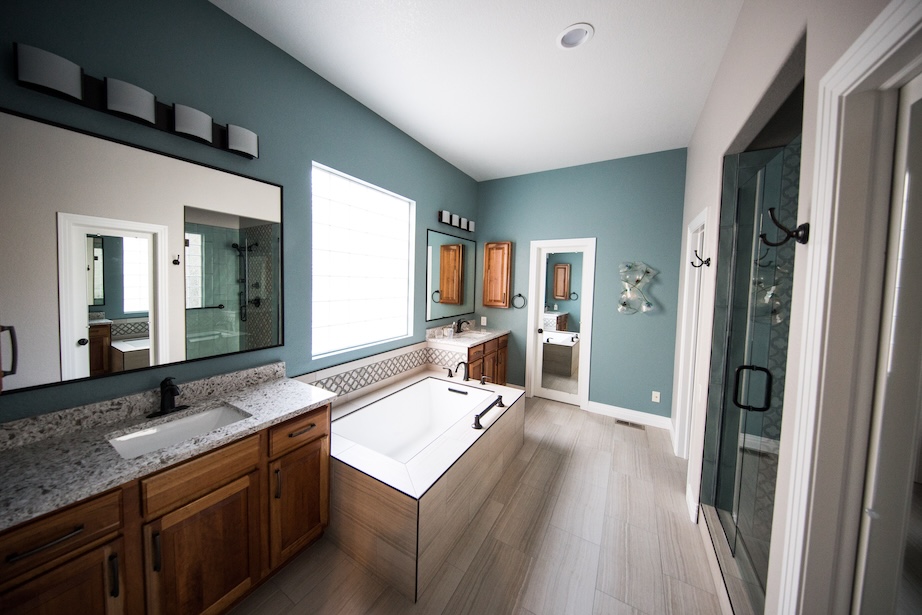
A bathroom remodel often begins with something small: a vanity that never seems to hold enough, lighting that makes mornings harder, or a shower that has simply stopped working well for the household. From there, it is easy to jump straight to tile samples and fixture finishes. The better approach is to think about how the room functions before deciding how it should look. Bathrooms have to manage water, storage, privacy, lighting, ventilation, and constant daily use within a relatively compact space. When those practical details guide the design, the finished room is far more likely to feel worth the investment years after the renovation is complete.
Start With the Frustrations You Already Notice
The most useful remodeling ideas are often hiding in your existing routine.
Spend a few days noticing what slows you down. Perhaps toiletries collect around the sink because there is nowhere sensible to store them. Maybe the shower door blocks a drawer, towels have no convenient home, or two people cannot comfortably use the room at the same time.
Those observations are more valuable than starting with a collection of inspiration photos.
A renovation should solve specific problems. If storage is the issue, cabinetry deserves more attention than decorative tile. If mornings feel crowded, layout and circulation should come first. If the room always feels damp, ventilation may be more important than replacing perfectly functional fixtures.
Once the annoyances are clear, design decisions become much easier to prioritize.
Create a Budget for the Whole Project
One of the easiest remodeling mistakes is budgeting almost entirely for the things you can see.
Tile, faucets, cabinetry, mirrors, lighting, and countertops are easy to price because they are the enjoyable parts of the project. Demolition, waterproofing, electrical work, plumbing changes, disposal, and repairs behind the walls are less exciting but just as real.
Older bathrooms can also reveal problems once work begins. Damaged subflooring, deteriorated plumbing, previous leaks, or inadequate waterproofing may not become obvious until materials are removed.
When planning bathroom remodeling, it makes sense to keep part of the budget available for those less predictable expenses rather than allocating every dollar before demolition starts.
A financial cushion also makes decision-making calmer. An unexpected repair is easier to handle when it does not require sacrificing something important elsewhere in the project.
Let the Layout Lead the Design
Bathrooms can be surprisingly unforgiving when it comes to layout. A few inches can determine whether a cabinet opens properly or whether moving between the shower, toilet, and vanity feels natural.
Before committing to finishes, think through how the room will be used.
Keeping plumbing fixtures near their existing positions can sometimes reduce complexity and expense, but preserving the current layout simply because it already exists is not always the right answer. If an awkward arrangement has frustrated the household for years, remodeling is the moment to consider whether changing it would materially improve the room.
Door swings, drawer clearance, walking space, shower entry, and access to storage all deserve attention.
The best layouts tend to feel almost invisible. Nothing catches your attention because nothing is getting in your way.
Choose Surfaces for the Life They Will Actually Have
Bathrooms are demanding environments.
Flooring gets wet. Countertops encounter cosmetics, toothpaste, cleaning products, and hot appliances. Shower walls face repeated exposure to water and humidity. Materials that look beautiful in a showroom may become frustrating if they require constant maintenance.
Consider durability alongside appearance.
Porcelain tile is widely used in wet areas because it can offer strong water resistance and durability. Countertops should be evaluated for staining and maintenance, while cabinetry finishes need to tolerate the humidity generated by everyday bathing.
Floor texture matters too. A highly polished surface may look elegant but can become slippery when wet.
The goal is not to avoid interesting materials. It is to understand what living with them will involve. A surface that still looks good after years of ordinary use is usually more satisfying than one that demands constant attention to remain presentable.
Give Moisture Somewhere to Go
Ventilation may be one of the least glamorous remodeling decisions, but it can affect nearly every finish in the room.
Bathing introduces substantial moisture into the air. Without effective exhaust, humidity can linger on mirrors, ceilings, walls, cabinetry, and other surfaces.
Good bathroom ventilation and moisture control should therefore be considered while the room is being planned rather than added as an afterthought.
An exhaust fan needs to move air effectively and vent it appropriately. Noise matters as well. A fan that is unpleasantly loud may be used less consistently than one that quietly handles the job.
Ventilation becomes especially important when upgrading paint, cabinetry, drywall, and other materials you expect to keep for many years. Controlling moisture helps protect the investment that surrounds the fan.
Make Lighting Work at Different Times of Day
Bathroom lighting should do more than make the room bright.
Early in the morning, you may want clear task lighting around the mirror. Late at night, that same level of brightness can feel unnecessarily harsh. Layered lighting gives the room more flexibility.
General ceiling illumination can handle overall visibility, while dedicated vanity lighting makes grooming easier. Additional lighting may be useful around a shower, tub, or storage area.
Natural daylight can make the space feel more open where privacy allows it. Frosted glass, shades, or carefully considered window placement can provide both light and separation from the outside.
Think about switches and controls while planning too. A good lighting scheme should be simple to use rather than requiring experimentation every time someone enters the room.
Consider Efficiency While Replacing Fixtures
A remodel already involves replacing or reconnecting plumbing fixtures, making it a sensible time to think about water use.
Efficiency does not need to mean sacrificing performance. Choosing appropriately certified toilets, faucets, and showerheads can reduce consumption while still meeting everyday needs.
For example, WaterSense bathroom faucets are designed to meet efficiency and performance criteria, giving homeowners a straightforward way to compare more water-conscious options when selecting new fixtures.
This is most useful when efficiency is treated as part of the broader design rather than a separate feature. A faucet still needs to suit the sink. A showerhead still needs to provide a comfortable experience. The best choice balances appearance, usability, performance, and consumption.
Design Storage Around Actual Habits
Bathroom storage works better when it is planned around specific items rather than measured only in total cabinet space.
Consider what needs to be reached every morning. Toothbrushes, skincare products, grooming tools, and medication may deserve shallow drawers or easily accessible cabinets. Extra toiletries, cleaning supplies, and spare towels can live farther away.
Drawers can be especially practical because their contents remain visible rather than disappearing into the back of a deep cabinet.
A recessed medicine cabinet can add storage without consuming additional floor space, while shower niches keep bottles away from tub edges and floors.
Open shelves can add personality, but they work best when used selectively. The bathroom is filled with ordinary products that are useful but not necessarily decorative. Good storage allows the room to feel calm without demanding that every item look display-ready.
Think About Tomorrow as Well as Today
A bathroom should suit the household now, but some decisions are worth viewing through a longer lens.
Easy-entry showers, practical lighting, comfortable clearances, sensible storage heights, and surfaces that are easy to maintain can remain useful as needs change. These features do not have to make a bathroom look clinical or overly specialized.
The same principle applies to style.
Bold design can give the room character, but consider placing the strongest trends in elements that are relatively easy to update. Paint, mirrors, hardware, towels, and accessories can evolve without another major renovation. Permanent tile and built-in cabinetry require a larger commitment.
Make Function the Measure of Success
The best bathroom remodel is not necessarily the one with the most expensive tile or the biggest shower.
It is the one that quietly removes friction from everyday life.
The drawers open without colliding. Towels have somewhere sensible to go. Lighting works when you need it. Moisture leaves the room instead of lingering. Surfaces tolerate regular cleaning, and the layout makes sense without anyone having to think about it.
A beautiful bathroom is still worth pursuing. Style is part of what makes a remodeled space enjoyable. But when practical decisions come first, good design becomes more than decoration.
Years after the renovation is finished, that combination of comfort, durability, and thoughtful planning is what makes the room continue to feel like money well spent.
Photo by Christa Grover at Pexels.com
Contributed posts are advertisements written by third parties who have paid Woman Around Town for publication.