Mornings often start before sunrise for working moms. There are lunches to pack, emails to answer, school bags to check, and deadlines waiting. Even when the day ends, the mental to-do list rarely does. Many working moms feel pulled in every direction, trying to meet work goals while keeping home life running smoothly. Over time, this constant juggling can feel overwhelming and draining.
The good news is that simplifying life at home does not require perfection or major lifestyle changes. This guide focuses on realistic ways working moms can organize their homes, manage responsibilities, and protect their time. The goal is not to do everything, but to do what matters with less pressure.
Redefining “Having It All” on Your Own Terms
For many working moms, the idea of “having it all” comes with pressure rather than motivation. Social media, workplace expectations, and even well-meaning advice can create a narrow definition of success that feels impossible to meet. Real balance starts when you step back and decide what actually matters in your own life.
Redefining success allows you to release guilt tied to unfinished tasks or imperfect days. Some weeks your work will demand more attention, while other weeks home life will take the lead. Accepting this natural shift helps you move forward with clarity instead of frustration.
Reducing Clutter to Create a Calmer Home
Clutter has a quiet way of increasing stress. When surfaces stay crowded, and storage feels tight, daily tasks take longer and feel heavier. Reducing clutter creates visual calm and saves time, especially on busy mornings. The process starts by separating items you use regularly from those you only need occasionally.
Seasonal decorations, childhood keepsakes, sports equipment, and extra furniture often take up valuable space. Renting storage units can help you hold on to these items without letting them contribute to clutter in your home. This option works well for things you plan to use later but do not need nearby every day. By clearing out these items, you make room for easier movement and cleaner spaces while still keeping what matters safe.
Creating Simple Daily Routines That Actually Work
Routines can make life feel more predictable, but only when they match your real schedule. Overly strict plans often fail because they do not account for delays, long workdays, or tired evenings. Simple routines focus on a few key actions that support the flow of your day.
Morning routines may include preparing clothes the night before or keeping breakfast options consistent. Evening routines might involve a quick reset of shared spaces or preparing for the next day in small steps. These habits reduce last-minute decisions and lower stress. When routines stay flexible, they support your day instead of controlling it.
Sharing the Load Without Guilt
Many working moms carry more responsibility than they realize, often because it feels faster or easier to do things alone. Over time, this habit leads to exhaustion. Sharing tasks helps create balance and teaches responsibility within the household. Partners and children can take on more when expectations stay clear and realistic.
Delegating does not mean lowering standards. It means allowing others to contribute in their own way. Children can manage age-appropriate chores, and partners can take ownership of specific responsibilities. Releasing the need to oversee every detail frees up time and mental space. Shared effort strengthens the household and reduces daily pressure.
Planning Meals Without the Daily Stress
Meal planning often feels like a challenge, but a simple approach can remove much of the stress. Planning meals one week at a time helps you avoid last-minute decisions and unnecessary trips to the store. Choosing a small rotation of meals makes planning faster and keeps grocery lists manageable.
Busy days will still happen, so it helps to keep easy backup meals available. Simple options reduce the temptation to rely on takeout and save time during long workweeks. Meal planning does not require creativity every day. It works best when it supports your schedule and energy level.
Managing Laundry and Cleaning More Efficiently
Laundry and cleaning often feel endless because they get pushed into the background of already busy days. Instead of trying to tackle everything at once, it helps to assign these tasks a predictable place in the week. Choosing specific days for laundry or light cleaning prevents chores from piling up and becoming overwhelming. This approach also removes the constant feeling that something always needs attention.
Breaking cleaning into smaller tasks makes it easier to stay consistent. A quick wipe-down of surfaces or a short vacuum session fits more naturally into daily life than a full deep clean. When expectations stay realistic, maintaining a clean home feels manageable rather than exhausting.
Protecting Your Time and Energy
Time is one of the most limited resources for working moms, yet it often gets spent without intention. Protecting your time starts with recognizing what drains your energy. Long commitments, unnecessary obligations, and constant availability can leave little room for rest. Setting boundaries allows you to focus on what truly deserves your attention.
Creating separation between work and home life also plays a key role. This may involve setting clear work hours or limiting after-hours communication when possible. Scheduling personal time, even in small amounts, helps maintain focus and emotional balance. When time and energy receive proper care, everything else feels more manageable.
Letting Go of Mom Guilt
Mom guilt often shows up when expectations clash with reality. It may surface when work runs late or when you choose rest over productivity. Letting go of this guilt begins with understanding that no one can meet every demand at all times. Rest and personal time support patience, clarity, and resilience.
Reframing self-care as a basic need helps reduce internal pressure. Taking care of yourself benefits your family because it allows you to show up with more presence and energy. Accepting imperfect days without judgment creates emotional space and reduces unnecessary stress.
Building a Home That Supports Your Lifestyle
A supportive home reflects how your family actually lives, not how it looks in photos. Spaces function best when they adapt to routines, schedules, and changing needs. This may mean creating flexible areas for work, play, and relaxation instead of rigid setups.
As life changes, systems may need updates. Children grow, work schedules shift, and priorities evolve. Adjusting your home environment helps maintain balance during these transitions.
Simplifying life at home is not about control or perfection. It is about creating space for moments that matter. When systems work in your favor, daily life feels lighter and more intentional. Balance grows from small choices that support your energy and values.
Working moms deserve homes that serve them, not drain them. By making thoughtful adjustments and honoring your limits, you can create an environment that allows both you and your family to thrive.
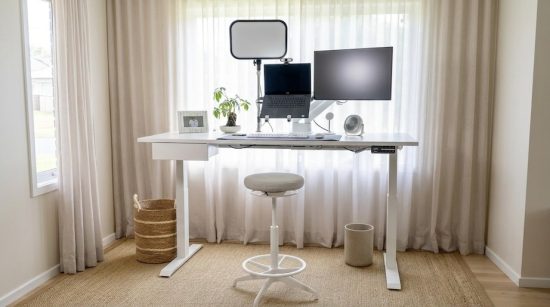
Photo by KATRIN BOLOVTSOVA on pexels.com
Contributed posts are advertisements written by third parties who have paid Woman Around Town for publication.