As the back-to-school season approaches, families begin preparing not just supplies and schedules, but also the home environment where learning continues beyond the classroom. A well-organized, functional space can significantly impact a child’s focus, independence, and overall attitude toward schoolwork. Below are valuable tips to help you transform even small areas into productive learning zones.
Designate a Dedicated Study Area
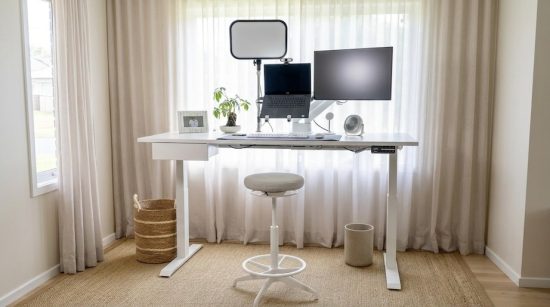
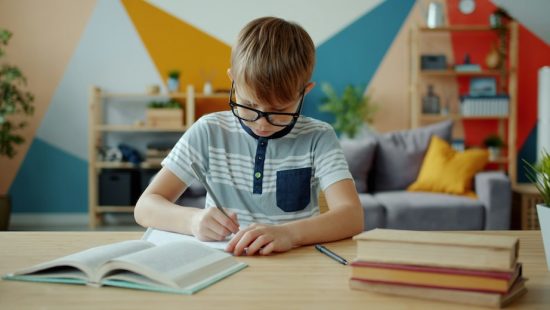
The first step in creating a functional space is choosing a consistent spot for studying. Whether it’s a corner of the living room, a bedroom desk, or a shared family workspace, having a designated area signals that it’s time to focus. Ideally, this space should be free of distractions such as television and heavy foot traffic.
Comfort is also crucial. Ensure that your child has a supportive chair, proper lighting, and enough surface space for books and materials. Personal touches, like a favorite color, photos, or inspiring quotes, can make the area more inviting.
Choose Smart Storage for School Supplies
Clutter can quickly derail productivity, so effective storage solutions are essential. Use bins, shelves, and drawer organizers to keep supplies such as notebooks, pencils, and art materials easily accessible. Labeling containers can help younger children learn where items belong, encouraging responsibility and independence.
For families juggling multiple children or limited space, vertical storage can be a game-changer. Wall-mounted shelves or pegboards can help maximize a room without overcrowding the floor. Explore options like lockers for sale, which can offer each child a personal, contained space for their belongings while adding a fun, school-inspired touch to the home.
Create a Routine-Friendly Layout
A functional space goes beyond furniture; it should support your child’s daily routine. Arrange materials in a way that aligns with how your child works. For example, keep frequently used items within arm’s reach and store less-used supplies higher up or in closed containers.
Consider incorporating a small bulletin board or whiteboard to track assignments, reminders, and schedules. This not only helps children stay organized but also builds time management skills. Having everything visible and in one place can help reduce last-minute stress and missed homework.
Encourage Independence and Responsibility
An effective learning space empowers children to take ownership of their tasks. When everything has a designated place, kids are more likely to clean up after themselves and prepare for the next day without constant reminders.
You can also involve your child in setting up their space by letting them choose colors, decor, or storage solutions. This sense of ownership often translates into better care of the area and increased motivation to use it consistently.
Adapt as Needs Change
Children grow quickly, and so do their academic needs. What works for a first grader may not suit a middle schooler. Be prepared to adjust their space as assignments become more complex and require different tools, such as a computer or additional reference materials.
Modular furniture, adjustable shelving, and multi-purpose storage can evolve alongside your child. Periodically reassessing the setup ensures it continues to support productivity and comfort.
Endnote
Creating a functional space for kids at home doesn’t require a complete overhaul or a large budget. With thoughtful organization, practical storage, and a focus on your child’s unique needs, you can effectively build an environment that supports learning and growth.
Photo by Vitaly Gariev on Unsplash
Contributed posts are advertisements written by third parties who have paid Woman Around Town for publication.