For employees in New York, preserving workplace records can become especially important when a dispute affects their job, income, or future employment. Emails, messages, and other everyday records can provide context that is difficult to reconstruct later, particularly when an employment claim depends on understanding how events unfolded over time. A thoughtful approach to preserving relevant information can help an employee maintain a reliable account of what occurred without creating additional problems.
When an employment dispute develops, the attorneys at Employee Justice can help employees in New York understand which records may be important to their situation and how they may fit into a potential claim. An employment lawyer can review the circumstances, identify evidence that may help clarify the issues, and explain how to preserve information without improperly accessing or removing protected material. Early legal guidance can make organizing workplace evidence more manageable while important records are still available.
Start With A Preservation Plan
An employee should begin by identifying the events connected to the claim. Write down dates, names, locations, job duties, complaints, disciplinary actions, schedule changes, and termination details. A simple timeline helps identify missing records and prevents important events from blending together.
The attorneys at Employee Justice handle employment disputes involving discrimination, harassment, wage claims, retaliation, and wrongful termination. Before contacting counsel, an employee should gather records that explain the workplace events, identify decision-makers, and show how the employer responded to complaints or protected activity.
Preservation should continue even when a record seems unfavorable. Deleting inconvenient messages can damage credibility and create questions about missing evidence. The safest approach is to keep the complete conversation, including messages that provide context.
Preserve Emails In Their Original Form
Preserve work email before an employee loses access to the employer’s system. Save relevant messages with the sender, recipients, date, time, subject line, and attachments visible. Printing an email can help, but a printed copy does not always preserve technical information contained in the original message.
When the system permits, an employee should download messages and retain the original files in a secure personal location. Forwarding work emails to a personal account can violate company policy or expose confidential information. Legal advice can help determine which records an employee may lawfully keep.
Do not edit, crop, or rewrite an email before saving it. If a message includes a long thread, preserve the entire thread rather than copying one sentence. Attachments should remain with the related email whenever possible.
Capture Texts And Workplace Chats
Text messages often show instructions, schedule changes, threats, admissions, or responses to complaints. Screenshots should include the contact name or number, timestamps, and enough surrounding messages to establish context. Overlap multiple screenshots slightly so the sequence remains clear.
Employees should export complete conversations when the messaging application provides that function. Preserve messages from personal phones, employer-issued devices, workplace applications, and group chats. A message that seems unrelated alone could clarify why another message was sent.
Do not delete a conversation after taking screenshots. Keep the original thread on the device, unless a lawyer gives different instructions. Record the device used, the account involved, and the date the screenshots or exports were created.
Save Employment And Pay Records
Employment records can prove job duties, compensation, work hours, leave requests, performance issues, and changes in treatment. Useful documents include offer letters, handbooks, schedules, time records, pay stubs, commission reports, evaluations, disciplinary notices, leave paperwork, and separation documents.
Save each document with a clear filename that includes the date and document type. For example, a file named 2024-06-14-performance-review.pdf is easier to organize than one named Document1.pdf. Keep a separate index listing the file, source, date, and a short description.
Employees should also preserve calendars and meeting invitations. These records can confirm who attended a discussion, when it occurred, and whether a manager scheduled a meeting after a complaint.
Keep Notes Accurate And Secure
Personal notes can help refresh memory, especially when events occurred over several months. Write notes promptly and separate direct observations from assumptions. Use quotation marks only for words remembered with reasonable accuracy.
A note should state the date, location, people present, topic, and immediate result. Avoid rewriting old notes to make them sound clearer. If a correction is necessary, preserve the original and add the correction with its date.
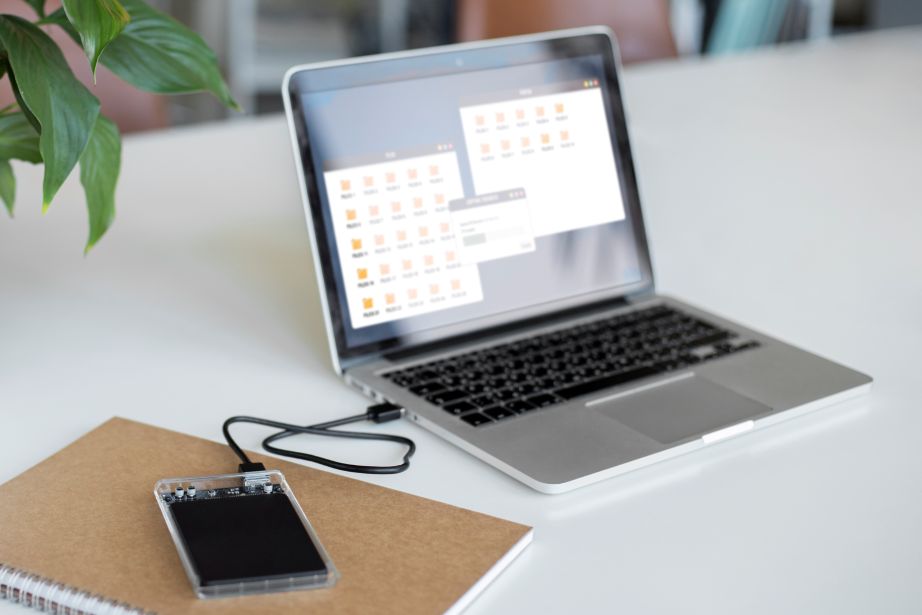
Store evidence in a secure location with a backup. Cloud storage, an external drive, or another protected location can prevent loss after a phone failure. Avoid storing sensitive material on a shared family device or an employer-controlled account.
Avoid Common Preservation Mistakes
Employees should not access records they are unauthorized to view, guess another person’s password, or bypass security controls. They should not alter metadata, delete messages, or remove documents from company systems without permission.
Public posts and social media messages also require care. Do not make threats, exaggerate events, or discuss confidential case details online. Employers can use public statements to challenge an employee’s credibility.
Conclusion
Preserved evidence gives an employment lawyer a clearer record of events, but organization matters as much as collection. Employees should create a timeline, save complete records, protect original files, and document how they obtained each item. They should stop deleting or editing potentially relevant material once a dispute becomes likely. The practical next step is to gather available records into a dated folder and schedule a consultation before access to workplace accounts or devices ends.
Contributed posts are advertisements written by third parties who have paid Woman Around Town for publication.