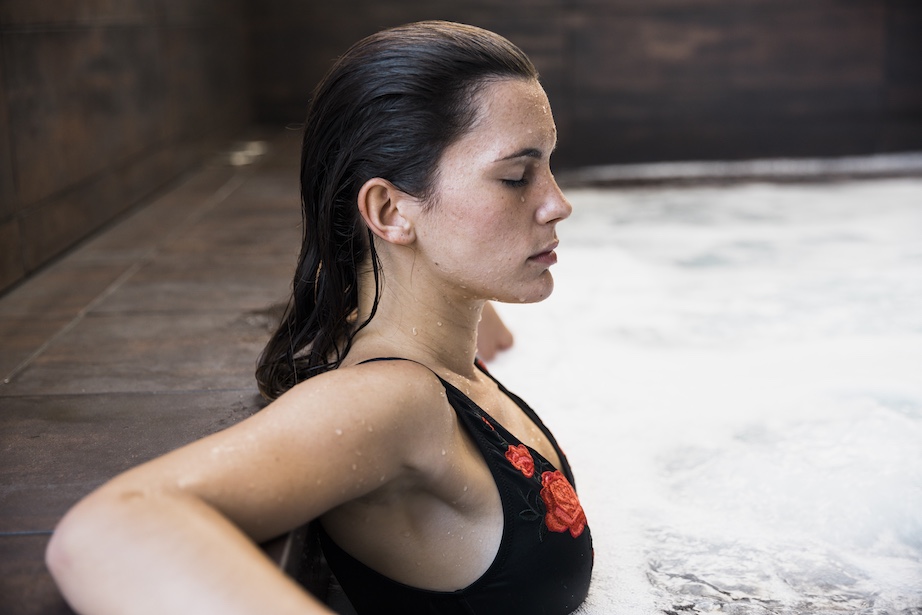
Entering the world of contrast therapy offers an incredible way to boost your muscle recovery and enhance your mental clarity. While the idea of submerging your body into freezing temperatures might seem intimidating initially, proper preparation can turn into a rewarding ritual. This article provides essential guidance to ensure your initial plunge is comfortable and effective for your wellness journey.
1. Focusing on Deep and Controlled Breathing Techniques
The moment your skin contacts the freezing water, your body will want to gasp and take rapid breaths due to the temperature shock. You can counteract this automatic survival mechanism by focusing on slow inhalation and extended exhalation. Maintaining a steady breathing rhythm sends calming signals to your nervous system, which helps lower your heart rate and prevents panic from setting in.
2. Choosing an Accessible and Managed Temperature Level
Avoid the temptation to set the water to the absolute coldest setting possible during your very first recovery session. Beginners achieve far better psychological and physical outcomes by starting with a moderately chilled environment and gradually lowering the temperature over subsequent visits. This progressive approach allows your vascular system to adapt safely without causing unnecessary stress.
3. Limiting Your Initial Duration for Optimal Safety
Remaining submerged for an extended period does not automatically guarantee better cold bath recovery results and can place excessive strain on your unaccustomed muscles. Your first few sessions should focus on short increments of just a couple of minutes to see how your body responds to the chilly stimulus. Stepping out of the water before you feel exhausted allows your body to recover efficiently.
4. Wearing Appropriate Protective Swimwear and Extras
Selecting the right clothing items can enhance your comfort levels by protecting your sensitive extremities from the intense chill. Wearing standard swimwear along with thick neoprene socks or booties helps insulate your toes, which often feel the bite of the cold first. Keeping your hands out of the water or resting them on your thighs can also make the experience easier to tolerate for beginners.
5. Moving Gently Rather Than Staying Completely Rigid
Many tend to freeze still when they submerge because they fear that any movement will break the thin layer of warmth surrounding their skin. While staying still does create a tiny thermal barrier, moving your limbs can keep your circulation flowing smoothly. Gentle wiggling of your fingers and toes prevents your extremities from feeling numb and assists in maintaining core temperature balance.
6. Plunging with a Supportive Partner or Professional Guide
Embarking on your initial conscious journey alongside an experienced friend or a certified wellness coordinator provides immense psychological comfort. Having someone nearby to monitor your timing helps distract your mind from the intense physical sensations of the cold bath. A partner can also assist you with managing your towels and warm garments after you finish your designated immersion time.
7. Implementing a Proper Warming-Up Routine Afterwards
The way you choose to warm your body after exiting the cold water is just as critical as the actual immersion time itself. You should dry off with a large plush towel and change into thick, loose clothing to trap your natural body heat effectively. Don’t forget that sipping a warm herbal tea or doing light mobility stretches helps raise your core temperature without shocking your expanded blood vessels.
Mastering Your Complete Physical Restoration Journey
Focusing on controlled breathing, manageable temperatures, and sensible time limits sets you up for incredible long-term wellness success. Embracing this powerful practice allows you to bounce back from intense workouts while building remarkable mental resilience that carries into your daily life. Your path towards enhanced vitality and faster muscle recovery begins when you step into the refreshing cold.
Contributed posts are advertisements written by third parties who have paid Woman Around Town for publication.