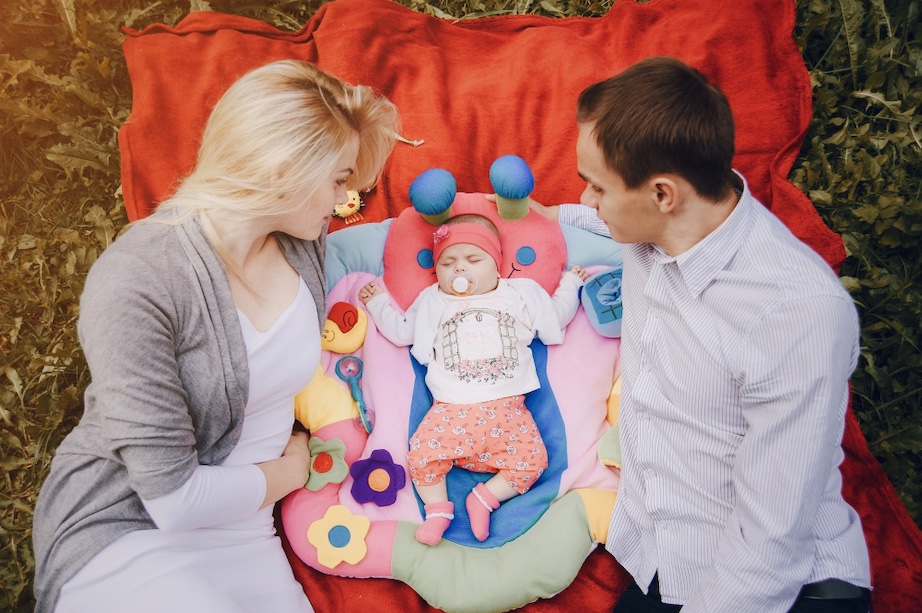
Being new parents, your immediate concern would naturally be to ensure your baby grows up healthily. This becomes even more of an issue if you look at the risks involved in brain damage during childbirth, which may influence a child’s life in the long term. Let’s examine some methods of providing a nurturing environment for your baby’s growth while keeping possible complications in mind.
Focus on Safety with Informed Vigilance
The basis of a supportive environment starts with safety, particularly for infants who might have had complications at birth. Many factors, such as a lack of oxygen, physical trauma during birth, or underlying conditions can cause brain damage at birth. While there needs to be a safe physical environment, there also has to be a watchful eye on your infant’s overall growth.
Start by baby-proofing your home, but emphasize fall prevention and choking. Safety goes beyond body protection, however. Be on the lookout for signs of brain injury, such as unusual muscle tone, feeding difficulties, or seizures. If you see any of these, seek immediate medical attention. Don’t overlook the difference earlier intervention can make in your child’s prognosis and potentially reduce long-term damage.
It’s also important to be aware of your legal rights. If you believe your child’s brain damage is caused by medical negligence, speaking with a specialized birth injury lawyer will help you explore options for financial support and justice.
Create Tailored Sensory Experiences
Visual stimulation is especially important during the first few months. Use high-contrast pictures and toys since these will stimulate your little ones with visual processing issues. Similarly, auditory development is facilitated by soothing music, nature sounds, and ongoing dialogue. Work with professionals to determine beneficial auditory stimulation strategies for infants at risk of hearing loss due to brain injury.
Tactile stimulation is important as well. Provide a variety of safe textures for your infant to touch. For infants with sensory processing disorder, collaborate with occupational therapists to create a rich sensory environment that’s not too overwhelming.
Remember that every child is unique, especially those who may have experienced brain injury at birth. Consultations with medical experts at regular intervals will help you adjust these sensory activities to your baby’s unique developmental needs.
Promote Emotional Security Through Informed Caregiving
Responsive care is vital to ensuring emotional safety. Attend to your baby’s needs and cues consistently and promptly. This builds trust and can also help with neuroplasticity—the brain’s ability to form new connections, which is particularly important to babies with neurological challenges.
Develop predictable patterns of feeding, sleeping, and play. This predictability offers reassurance and is especially valuable with neurologically impaired babies. However, be prepared to experiment when necessary to serve your baby’s specific requirements.
Physical touch and affection are valuable tools for establishing emotional safety and healthy brain development. If your infant has sensory issues, be sure to connect with occupational therapists who can help you identify appropriate ways to provide a comforting touch.
Endnote
Making your baby’s environment safe and stimulating is an intentional, educated effort. Being safety-conscious through educated awareness, you can ensure your baby experiences optimal development. Remember that if you feel your child’s birth injury was caused by medical malpractice, speaking with a lawyer will provide you with the tools to give your child the best care and support for their future.
Photo designed by Freepik
Contributed posts are advertisements written by third parties who have paid Woman Around Town for publication.