Caring for someone you love is a meaningful act that takes devotion, patience, and strength, but for many family caregivers in Australia, this commitment can become stressful and overwhelming over time. The emotional and physical challenges are real and should be talked about openly.
If you are caring for a family member with a disability, chronic illness, or age-related condition, this article is meant for you. Your wellbeing is just as important as the care you give. The following steps will focus on support, respite, and self-care.
Building a support network
One of the most powerful things you can do as a caregiver is ask for help. Building a support network doesn’t replace or downplay the love and care you have for your family member; it strengthens your capacity to sustain it.
Your support network might include family members who share responsibilities, neighbours who check in regularly, community groups, or faith-based organisations. It can also mean exploring professional support options for your loved one.
Families can check with the National Disability Insurance Scheme (NDIS) to access a range of services. For example, they can connect you with the experienced disability support workers Sydney has to offer.
These professionals can provide your loved one with consistent, skilled care while giving you some essential breathing room. They’re trained to assist with daily living tasks, personal care, and community participation, all the while supporting independence to improve quality of life.
Reaching out for this kind of help is not giving up. It’s a practical, compassionate choice for everyone involved.
The role of respite care
Respite care is one of the most underutilised resources available to family caregivers in Australia, and it’s worth understanding clearly. In simple terms, respite means taking a temporary break from your caring role, with a qualified professional stepping in during that time.
Respite can take many forms:
- In-home respite invites a support worker to your home so you can attend appointments, rest, or spend time with other people in your life.
- Centre-based respite provides your loved one with a social environment and structured activities.
- Overnight or short-term residential respite gives you several days to fully rest and recharge.
The NDIS provides funding for various respite options under the Short Term Accommodation and Assistance. If your loved one is an NDIS participant, discussing respite with their support coordinator is worthwhile.
Taking respite is not abandoning your responsibilities. Rather, it is the foundation of sustainable caregiving.
Recognising the signs of caregiver burnout
Burnout does not arrive all at once. Instead, it creeps in gradually, disguising itself as tiredness, irritability, or a sense of disconnection. Many caregivers report feeling guilty for struggling, which only deepens the exhaustion.
Common signs of caregiver burnout include persistent fatigue, difficulty sleeping, withdrawing from friends and family, and feeling resentful or hopeless. These are not signs of weakness. They are signals that your own needs have been overlooked for too long.
Research shows that unpaid carers are at significantly higher risk of poor mental health outcomes compared to the general population. With that in mind, acknowledging this is the first step toward addressing it.
Prioritising your own health
It is easy to postpone your own medical appointments, exercise routine, or social commitments when someone else constantly needs you. Over time, though, neglecting your own health can erode your ability to care effectively.
Start with the basics. Aim to attend your own GP appointments regularly. Make time for physical movement each day, even if only briefly. Maintain at least one, preferably two, social connections that are entirely separate from your caring role. Sleep, while often disrupted, should be protected wherever possible.
Many caregivers find that joining a peer support group, either in person or online, provides significant relief. In addition, hearing from others who understand your experience can reduce isolation and offer practical strategies you may not have considered.
Knowing when to seek professional assistance
There is no clear line that tells you when your situation has moved beyond what you can manage on your own. For many caregivers, seeking professional support feels like an admission of failure. However, it is not.
If your loved one’s needs are increasing in complexity, if your own health is deteriorating, or if you feel unsafe or unable to provide the standard of care you want to give, it is time to reach out. In that case, contact your GP, a social worker, or the Carer Gateway, a free national service providing support and resources specifically for carers.
Professional assistance does not diminish your role. It protects it.
Moving forward with compassion for yourself
Caregivers who keep going over the long term usually have one thing in common: they show themselves the same kindness they give to others.
You aren’t required to be perfect. You are not required to do this alone. There are people, services, and systems designed to support you. Accepting help is one of the most important things you can do for your loved one and for yourself. Caring for yourself is the first step to caring well for others. This is essential, not a compromise.
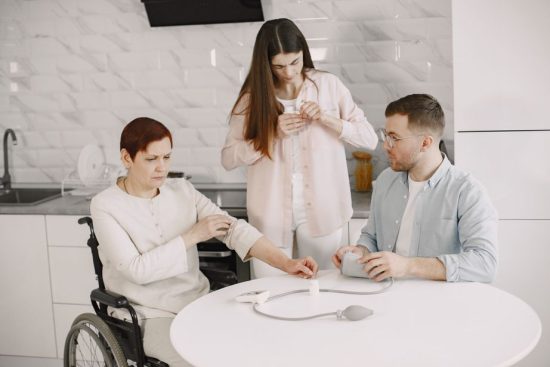
Photo by Gustavo Fring at pexels.com
Contributed posts are advertisements written by third parties who have paid Woman Around Town for publication.