An injury on someone else’s property can leave you wondering whether it was just an accident or something that could have been prevented. A fall in a store, an injury in an apartment building, a trip on broken pavement, or harm caused by poor security may raise questions about who was responsible for keeping the area safe.
Dangerous property claims often depend on details that are not obvious at first. The condition that caused the injury, how long it existed, who controlled the property, and whether anyone had a chance to fix it can all matter. Understanding these clues can help injured people decide whether they may have grounds to pursue one of the many types of premises liability claims in Seattle.
The Injury Happened on Property Someone Else Controlled
A dangerous property claim usually begins with control. The injured person must look at who owned, managed, rented, maintained, or operated the place where the injury happened. This may be a business, landlord, homeowner, government agency, property manager, contractor, or event organizer.
Control matters because the responsible party is often the one with the power to inspect, repair, clean, warn, or restrict access. If someone had control over the dangerous area and failed to handle it safely, that may support a claim.
A Hazard Caused the Accident
Not every injury on property creates a claim. There usually needs to be a dangerous condition that caused the accident. Examples may include wet floors, broken stairs, loose handrails, poor lighting, uneven walkways, falling objects, exposed wiring, missing warning signs, or unsafe parking areas.
The hazard must be connected to the injury. If a person falls near a spill but actually tripped over their own bag, the spill may not be the cause. A claim is stronger when the dangerous condition clearly explains how the injury happened.
The Property Owner Knew or Should Have Known
One important question is whether the property owner or manager knew about the danger. If employees saw the hazard, received complaints, or created the condition themselves, notice may be easier to show.
Sometimes the argument is that the owner should have known. For example, a spill in a busy grocery aisle, a broken stair in an apartment building, or poor lighting in a parking lot may be the kind of issue that reasonable inspections should have found. The longer the hazard existed, the harder it may be for the responsible party to claim surprise.
The Hazard Was Not Properly Fixed or Marked
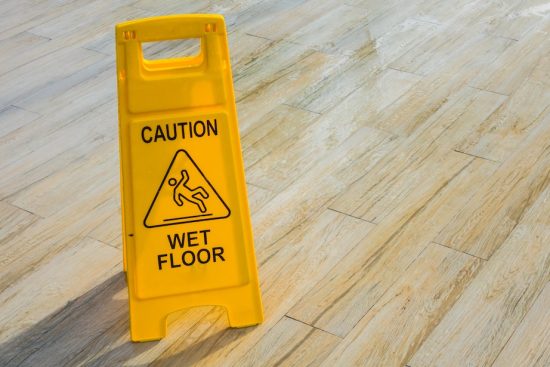
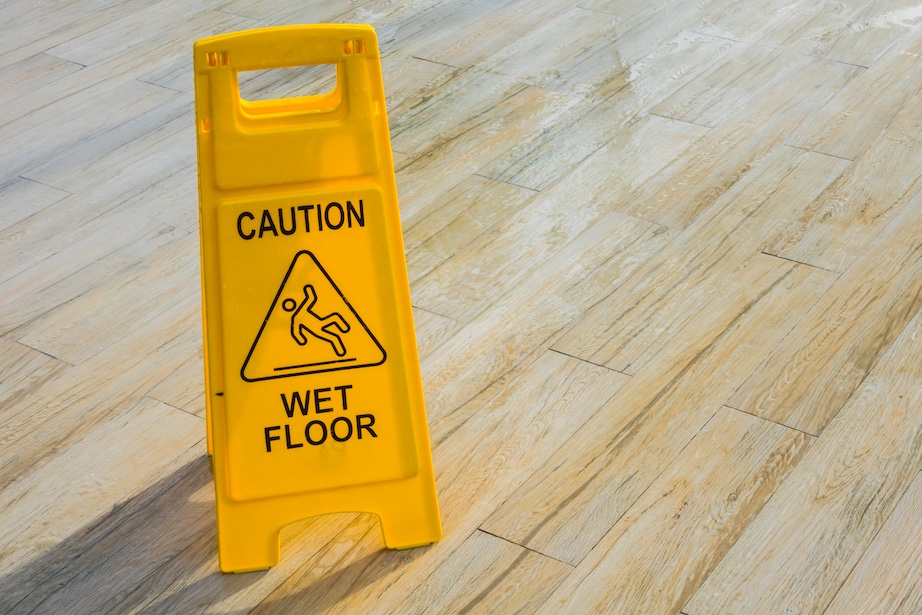
A property owner may not always be able to repair a problem instantly, but they may still need to warn people or block off the area. A simple sign, cone, barrier, mat, temporary repair, or lighting change may prevent injury while a permanent fix is arranged.
If there was no warning, the claim may be stronger. A wet floor without a sign, a broken step without a barrier, or a dark stairwell without repairs can show that visitors were left to discover the danger only after getting hurt.
The Accident Was Foreseeable
Foreseeability means the injury was something a reasonable person could have expected under the circumstances. If a store leaves liquid on the floor, it is foreseeable that someone may slip. If a landlord ignores a broken lock, it may be foreseeable that tenants could face safety risks.
The exact injury does not always need to be predicted. The main issue is whether the danger created a real risk of harm. A claim may be stronger when the property owner had reason to understand that the condition could hurt someone.
There Were Prior Complaints or Earlier Incidents
A history of complaints can be powerful evidence. If tenants, customers, workers, or visitors reported the same problem before the injury, it may show that the danger was known.
Prior incidents can also matter. If other people slipped in the same area, tripped on the same defect, or complained about the same unsafe entrance, the property owner may have had several chances to act. These records may not be easy to find without investigation, but they can help show that the injury was preventable.
Photos and Videos Support What Happened
Dangerous conditions can disappear quickly. A spill can be cleaned, a broken step can be repaired, lighting can be changed, or debris can be removed. Photos and videos taken soon after the injury can help preserve the scene.
Useful images may show the hazard, surrounding area, warning signs or lack of signs, lighting, weather, floor condition, stairs, railings, cameras, and nearby objects. Wide photos and close-up photos can both help explain what made the property unsafe.
Witnesses Can Add Important Details
Witnesses may see things the injured person missed. A customer may have noticed the spill before the fall. A tenant may know that a stair had been broken for weeks. An employee may admit that maintenance had been delayed.
Witness information should be gathered as soon as possible. Names, phone numbers, and brief notes about what each person saw can help later if the property owner denies knowing about the hazard.
An Incident Report May Create a Record
Businesses, apartment complexes, hotels, schools, and stores may prepare incident reports after someone is hurt. These reports can help prove when and where the injury happened.
The injured person should report the incident before leaving if possible. They should ask for a copy or at least record who took the report. It is important to describe the facts clearly without guessing or accepting blame.
The Injury Required Medical Care
Medical records help show that the accident caused real harm. A dangerous property claim becomes stronger when the injured person seeks care promptly and follows treatment instructions.
Records may include emergency visits, imaging results, therapy notes, specialist appointments, prescriptions, and work restrictions. These documents help connect the property hazard to the injuries and show the cost of recovery.
The Property Owner May Blame the Injured Person
Property owners and insurers often argue that the injured person should have seen the danger, worn different shoes, walked more carefully, used another entrance, or avoided the area. These arguments are common, but they do not always defeat a claim.
The key question is whether the property owner also failed to act reasonably. If the danger was hard to see, poorly lit, unexpected, or left without warning, responsibility may still exist. Evidence can help answer blame-shifting.
The Full Impact Goes Beyond the Scene
A dangerous property injury may affect more than the day it happened. The injured person may miss work, need physical therapy, require surgery, lose independence, or struggle with pain during normal activities.
Keeping records of bills, missed wages, travel costs, medication expenses, and daily limitations can help show the full impact. A simple journal can also document pain, sleep problems, missed activities, and the ways the injury changed daily life.
When a Property Hazard Becomes a Legal Claim
A dangerous property claim is not based only on getting hurt somewhere. It depends on whether a hazard existed, whether the responsible party knew or should have known about it, and whether the hazard caused injury.
The strongest claims are built with clear evidence. Photos, witness accounts, incident reports, medical records, maintenance history, and documentation of losses can all help show what happened. When an injury was caused by a property danger that should have been fixed or warned about, the injured person may have a path toward accountability.
Image by jannoon028 on Magnific
Contributed posts are advertisements written by third parties who have paid Woman Around Town for publication.