A serious accident can change breathing, movement, work, sleep, and family routines in one moment. The first choices after impact often shape both recovery and any subsequent claim. Injured people may face pain, shock, medical bills, and calls from insurers before symptoms fully appear. A steady plan helps protect health, preserve proof, and keep important decisions tied to records rather than pressure.
Get Medical Care Fast
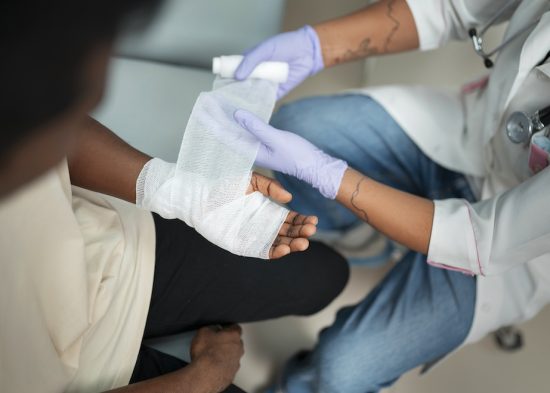
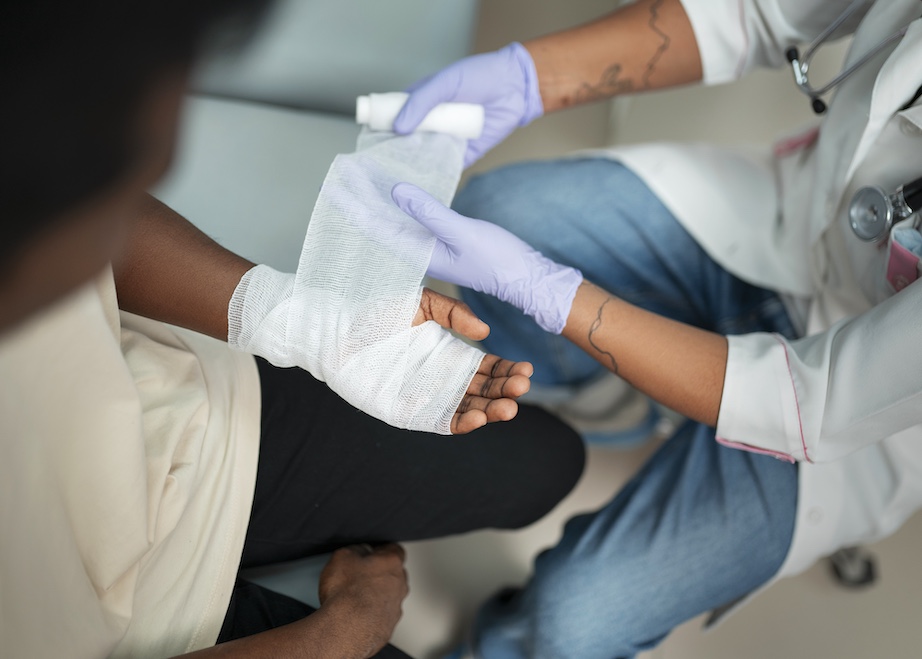
Medical evaluation should happen quickly, even when pain seems mild. Head trauma, internal bleeding, spinal strain, and ligament damage can become clearer after swelling increases.
Prompt treatment establishes a timeline linking symptoms, diagnosis, and care needs. A personal injury attorney in Las Vegas may review medical records, crash reports, witness accounts, and insurance issues to clarify how trauma affected daily function. That review matters because insurers often challenge delayed visits, missed care, or vague clinical notes.
Report the Accident
An official report gives the event a dated record outside memory alone. In a vehicle collision, police notes may document drivers, citations, roadway debris, lighting, and witness names.
For falls, resort injuries, or unsafe premises, the injured person should notify staff or ownership immediately. A written incident report can help confirm location, timing, and the hazard involved.
Preserve Key Evidence
Evidence can vanish within hours. Photos should show bruising, swelling, torn clothing, damaged vehicles, wet flooring, broken railings, missing warnings, weather, and nearby cameras.
Receipts, discharge papers, prescriptions, and damaged items should be kept together. Video systems often overwrite footage quickly, so an early preservation request can protect material proof before deletion occurs.
Avoid Recorded Statements
Insurance adjusters often request recorded statements before the diagnosis is complete. A calm call may still create answers that later reduce payment or shift blame.
Injured people should avoid estimates about speed, distance, pain severity, fault, or recovery time. Brief written communication is safer until physicians identify the full extent of harm.
Track Medical Treatment
Steady care supports healing and strengthens the medical record. Missed visits can lead insurers to argue that pain improved, that treatment was unnecessary, or that symptoms stemmed from another cause.
Patients should follow provider instructions, attend therapy, and keep referrals, imaging results, medication lists, and billing records. A symptom journal can document sleep disruption, nerve pain, stiffness, dizziness, and activity limits.
Watch Nevada Deadlines
Nevada generally allows two years from the injury date to file a personal injury lawsuit. Once that period passes, compensation rights may be lost.
Some matters require quicker notice, including claims involving public agencies or unusual insurance terms. Early legal review from legal experts like Ace Law Group helps identify filing dates before evidence grows stale or procedural options narrow.
Calculate Full Losses
A serious injury claim should include more than the first hospital bill. Surgery, rehabilitation, medication, assistive devices, missed wages, reduced earning capacity, transportation, and household help may all count.
Pain, emotional strain, scarring, loss of mobility, and reduced participation in everyday life can also affect value. Quick settlement offers may ignore future treatment costs.
Be Careful Online
Social media can damage an otherwise valid claim. Insurers may take photos, check-ins, comments, and short updates out of context.
Privacy settings do not guarantee protection from discovery. During an active matter, injured people should avoid posting about the accident, pain, treatment, work restrictions, travel, exercise, or daily activities.
Identify All Insurance
More than one policy may apply after one event. Auto coverage, property insurance, business policies, medical payment benefits, uninsured motorist coverage, and umbrella policies may provide funds.
The at-fault person may not be the only available source. Careful policy review can reveal benefits that are easy to miss during treatment and recovery.
Speak With Counsel Early
Legal guidance is often most beneficial before records fade or insurers frame the facts. Counsel can send preservation letters, handle adjusters, gather records, review fault disputes, and assess settlement offers.
Early advice also helps injured people avoid costly mistakes. Common errors include signing broad releases, giving incomplete statements, or accepting money before physicians explain long-term care needs.
Conclusion
After a serious personal injury accident, the best path starts with medical care, accurate reporting, evidence preservation, and careful communication with insurers. Each step protects health while building a clearer record of what happened and what losses followed. Deadlines, coverage limits, and future treatment needs can change claim value. Organized action gives injured people a better chance of recovering fair compensation.
Contributed posts are advertisements written by third parties who have paid Woman Around Town for publication.