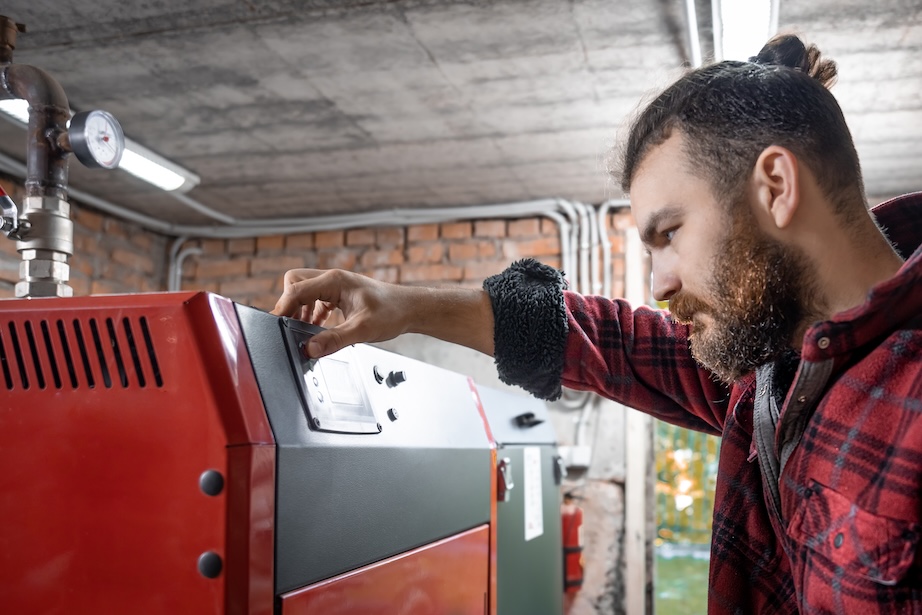
A furnace rarely stops without leaving clues first. Heat may still reach the house, yet comfort shifts, operating cycles change, and utility costs creep upward. Those early signs matter because a strained system can lose efficiency, stress core parts, and create safety concerns during colder weather. In areas like Portland, Oregon, where wet winters demand steady heat, homeowners who notice airflow changes, unusual odors, sharp sounds, or uneven room temperatures can respond sooner and lower the chance of a midseason breakdown.
Short Cycling
Short cycling often signals trouble before a full loss of heat. The system starts, shuts off, then restarts too soon. Homeowners searching for Portland, Oregon, furnace repair often describe this pattern during colder weeks, because it can point to overheating, a dirty filter, sensor trouble, or thermostat error. Frequent cycling also puts added stress on ignition parts, the blower, and control components.
Weak Airflow
Weak airflow can leave the house feeling cool even while the furnace runs. Supply registers may release only a faint stream, and distant rooms usually lose comfort first. Common causes include a clogged filter, closed vents, duct leakage, or a failing blower motor. Reduced air movement forces longer run times, which can raise monthly heating costs while placing extra strain on internal parts.
Cold Air
Cold air from the vents should not be brushed aside. Sometimes the fan continues moving air after the burners stop, which feels harmless at first. Other cases point to ignition failure, a dirty flame sensor, or interrupted fuel delivery. If cool airflow continues across several cycles, the heating system likely needs inspection before indoor temperatures drop to an uncomfortable level.
Strange Noises
A furnace that suddenly sounds different deserves attention. Banging can suggest delayed ignition, while rattling may reflect loose panels or shifting metal inside the cabinet. Squealing often points to motor or belt wear in older equipment. Repeated clicking without heat can indicate an electrical fault. Sound changes matter because mechanical wear usually worsens after each additional cycle.
Unusual Odors
Odors can offer early warning of unsafe operating conditions. A brief dusty smell may appear when heat returns after months of inactivity, and that usually clears quickly. Persistent burning odors can suggest overheating wiring, debris on hot surfaces, or stressed components. A sulfur-like smell near a gas furnace needs urgent action, because a fuel leak can create serious danger indoors.
Rising Energy Bills
Heating bills often climb before the furnace completely fails. Efficiency drops when airflow is restricted, burners do not fire cleanly, or sensors misread temperature conditions. The unit then runs longer to deliver the same comfort. Comparing current statements with past winter totals can reveal a clear change. That pattern often shows that the system is wasting fuel and needs service.
Uneven Room Temperatures
Uneven room temperatures often reflect a hidden system fault. One bedroom may feel chilly while another stays overly warm, even though the thermostat setting has not changed. Duct leaks, blower weakness, poor return airflow, or filter buildup can all create that imbalance. Repeated thermostat adjustments may mask the real issue, while the furnace continues operating under unnecessary strain.
Thermostat Issues
Sometimes the furnace is working, but the control is not. A thermostat with weak batteries, loose wiring, or poor calibration can send inaccurate signals to the heating equipment. The unit may start at odd times, stop too early, or miss the set temperature. Basic checks can help, yet repeated control problems usually call for a careful diagnostic assessment.
Delayed Ignition
Delayed ignition is a problem that should be taken seriously. Gas may collect briefly before the burners light, which can produce a small boom or sharp bang at startup. Dirty burners, ignition wear, or pressure imbalance are common causes. Beyond the noise, this condition increases stress on the heat exchanger and other parts, making prompt service a sensible step.
Conclusion
Most furnace problems begin with small changes that households can notice without special tools. Short cycling, weak airflow, cool vents, unusual smells, rising bills, and uneven temperatures all suggest that the system is operating less efficiently or less safely. Early attention helps limit equipment strain, reduce winter utility waste, and lower the risk of a sudden shutdown. Careful observation gives homeowners a better chance of preserving dependable indoor heat.
Image by pvproductions on Magnific
Contributed posts are advertisements written by third parties who have paid Woman Around Town for publication.