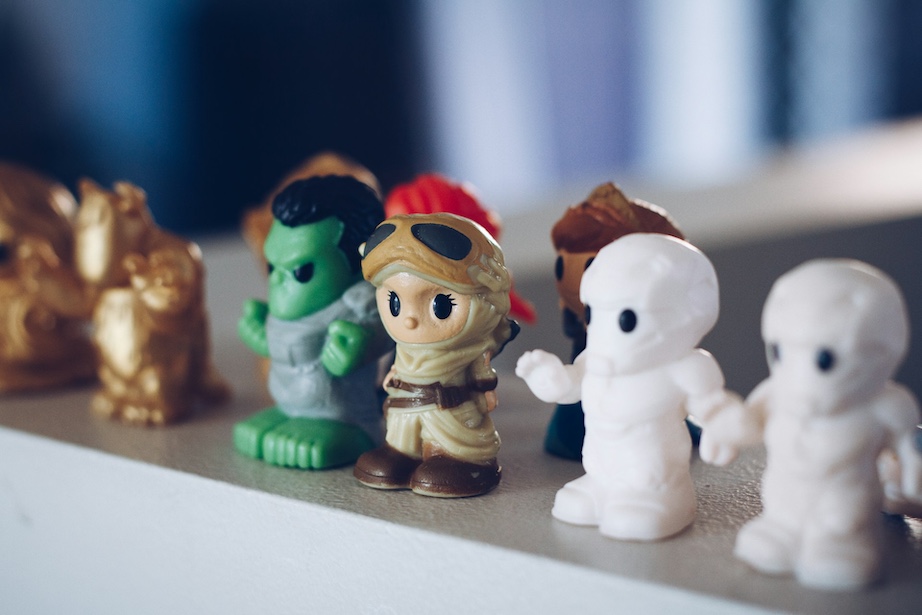
Starting a pop culture figure collection can be rewarding, calming, and, yes, strategic. For many collectors, the entry point is a fandom they already love—whether that’s vintage vinyls, designer plush, or themed items like cookie run kingdom plushies, which blend recognizable characters with soft, display-friendly design. Beginning with a familiar universe helps new collectors define their focus early and avoid impulse buys that don’t hold long-term meaning.
A thoughtful approach makes collecting more satisfying over time. This guide walks through practical steps to begin collecting intentionally: setting a clear theme or scope, building a realistic budget, sourcing authentic pieces from trusted sellers, and learning basic care and display practices. Franchises such as Cookie Run: Kingdom show how storytelling and character design can translate into collectibles that feel personal rather than disposable, helping collectors build a curated set that reflects taste, nostalgia, and lasting enjoyment rather than clutter.
Why Collect Pop Culture Figures?
Collecting pop culture figures blends emotion, aesthetics, and tangible memory. Many collectors start because a character or franchise shaped an important moment, childhood Saturday mornings, a late-night movie obsession, or a fandom community where shared passion creates friendships.
Beyond nostalgia, figures offer design appeal: sculpting, paintwork, and packaging can be mini works of art. For some, collecting becomes a creative outlet, staging photos, composing dioramas, or curating rotating displays. For others, it’s social: conventions, trade groups, and online forums where trades and discoveries happen.
It’s important to recognize personal motivation early. Collecting for sentimental reasons follows different choices than collecting purely for potential monetary gain or long-term investment. Clarifying the why helps guide decisions about what to buy, how to store it, and which communities to join.
Define Your Focus and Goals
Starting with a clear focus narrows the field and makes collecting manageable. A vague plan leads to scattered purchases and buyer’s remorse. Defining goals aligns a collector’s time, budget, and display strategy.
Choose a Franchise or Theme
Collectors often pick a franchise (Marvel, Star Wars, anime properties), a character (Batman, Sailor Moon), a material or style (vinyl, resin statues, articulated figures), or an era (1980s toys, modern limited runs). Themes can be narrow, “Japanese import mecha”, or broad, “science fiction heroes.”
Picking a focus helps quickly filter what’s relevant when browsing retailers or marketplace listings. It also deepens knowledge: collectors focused on a single franchise learn release schedules, variant scarcities, and artist names, details that lead to better buys.
Decide Between Display, Investment, or Both
Collectors should decide whether the priority is display, investment, or a mix. Display-first collectors often open boxes, customize stands, or build dioramas. Investment-focused collectors prioritize unopened items in mint condition, special editions, and provenance.
A hybrid approach is common: keep grail pieces sealed while displaying commons. Either way, policies around opening, handling, and photographing items should be consistent so the collection maintains its intended value and aesthetic.
Set a Budget and Acquisition Plan
An explicit budget prevents impulse overspending and makes acquisition decisions less emotional. It’s also the easiest way to scale a collection sustainably.
Start by setting monthly and annual spend limits and categorizing funds: new releases, secondary market hunting, display upgrades, and conservation supplies. Tracking actual expenses for the first few months creates realistic expectations and highlights where to adjust.
One-Time Purchases vs. Ongoing Buys
Some pieces are one-time splurges, limited-edition statues or full-scale dioramas, while others are ongoing: monthly blind-box series or subscription figures. One-time buys can define a collection’s character but carry more financial risk. Ongoing purchases spread the cost but can accumulate faster than intended.
A disciplined plan often mixes both: allot a portion of the budget to occasional headline pieces and another to steady, smaller acquisitions that sustain momentum.
Prioritizing Grails vs. Commons
“Grails” are the high-value pieces that excite collectors: rare chase variants, first editions, or artist-signed runs. Commons are plentiful, easier to replace, and often where newcomers start.
Prioritize by impact: if a grail significantly changes the collection’s story or completes a set, saving for it makes sense. If the goal is a visually dense display, commons might be the better short-term focus. Establish a wish list with tiers, must-have grails, nice-to-haves, and placeholder commons, and revisit it periodically.
Where to Buy and How to Evaluate Authenticity
Finding trustworthy sources is the backbone of smart collecting. A reputable marketplace or retailer reduces the chance of counterfeits and misrepresented conditions.
Retailers, Marketplaces, and Conventions
Brick-and-mortar specialty stores often carry new releases and let collectors inspect items firsthand. Online specialty retailers and manufacturer-direct stores are reliable for preorders and exclusive drops. Marketplaces (auction sites, secondhand platforms) are invaluable for out-of-print pieces but demand more diligence. Conventions and local collector cons provide social proof and the chance to negotiate trades.
When buying online, review the seller’s history, photos, and return policy. For preorders, confirm estimated ship dates and the seller’s reputation for fulfilling orders. At conventions, inspect packaging and ask about provenance, veteran sellers will usually share helpful context.
Spotting Counterfeits and Verifying Condition (MISB, MIB, Loose)
Counterfeit detection often hinges on details: packaging font and finish, sculpt precision, paint edges, and included accessories. Collectors should compare listings to official product photos and community guides. Buyer protection and escrow features on marketplaces add safety for high-value purchases.
Condition abbreviations matter:
- MISB (Mint In Sealed Box): Box never opened, highest preference for many investors.
- MIB (Mint In Box): Opened but complete with original packaging, good balance for display and value.
- Loose: Removed from packaging, best for customizers and some display setups, but typically lowers resale value.
Request close-up photos for high-ticket items and, when possible, ask for serial numbers or certificates. When in doubt, consult community verification threads or a trusted local dealer.
Storage, Display, and Maintenance
Proper storage and display preserve aesthetics and long-term condition. Decisions here vary by available space, budget, and whether figures remain sealed or will be handled frequently.
Display Options for Different Budgets
- Budget: Simple shelving and LED strip lighting make a huge visual impact. Acrylic risers and small mirrored bases elevate smaller figures affordably.
- Mid-range: Glass-front cabinets (IKEA or hobby-showroom options) protect figures from dust while keeping them visible. Backlighting and themed backdrops add polish.
- Premium: Custom-built display cases, museum-grade UV-filter glass, and modular diorama setups create a gallery experience.
Consider modularity: interchangeable shelves and adjustable lighting let the display evolve as the collection grows.
Climate, Packing, and Cleaning Best Practices
Climate control matters. Avoid attics or damp basements: stable room temperature and moderate humidity protect plastics, fabrics, and adhesives. Direct sunlight causes paint fading and warping.
Packing supplies for storage or transport include acid-free tissue, bubble wrap with caution (some plastics react to long-term contact), and sturdy boxes sized to minimize shifting. For long-term sealed storage, consider silica gel packs to manage moisture.
Cleaning should be gentle: soft brushes for dust, microfiber for fingerprints, and cotton swabs with a tiny amount of isopropyl alcohol for stubborn spots, tested in an inconspicuous area first. Avoid harsh solvents and prolonged water exposure.
Building Community and Tracking Your Collection
Collecting is social, and tracking is practical. Combining both enhances enjoyment and protects value.
Joining Online Communities and Local Groups
Forums, social platforms, and collector subgroups offer early alerts on releases, alerts about counterfeits, and advice on preservation. Local hobby shops and meetup groups provide opportunities for trades and in-person inspections. Participating in communities also helps a collector’s reputation; reliable traders build goodwill that eases future deals.
When joining groups, read the rules, introduce one’s focus, and share a few clear photos. Transparency, about grading, what’s for trade, and condition, builds trust quickly.
Cataloging, Insurance, and Resale Considerations
A simple catalog (spreadsheet or dedicated app) should record: title, variant, serial numbers, purchase date, price, condition, photos, and provenance notes. Regularly backed-up photos are invaluable for insurance claims.
Insurance can be as simple as adding a scheduled personal property rider to a homeowner’s or renter’s policy for high-value items. For collections that reach significant value, consider specialized collectible insurance.
If resale is a plan, keep original receipts, maintain mint packaging for chosen pieces, and document any restoration work. Market trends shift: keeping an eye on auction results and community chatter helps time sales sensibly.
Conclusion
How to start a pop culture figure collection is less about rules and more about thoughtful choices: defining focus, budgeting smartly, buying from trusted sources, and protecting the collection through proper storage and community engagement. Whether assembled for display, sentiment, or selective investment, a well-managed collection rewards its owner with lasting pleasure and stories to share. The next step for any aspiring collector is simple: pick a theme, set a modest monthly budget, and make the first intentional purchase. From there, the collection will grow, shaped by good decisions and the small joys of discovery.
Photo by Benson John on Unsplash
Contributed posts are advertisements written by third parties who have paid Woman Around Town for publication.