Have you ever walked into a house and felt it worked better than yours, even though the size looked similar? Often the difference comes from layout rather than square footage. The way rooms connect shapes daily routines, comfort, and even family interaction. In this blog, we will share how layout changes influence modern homes and how thoughtful design can improve daily living without expanding the building.
Why Layout Matters More Than Size
Homeowners often assume that bigger houses automatically create better living conditions. Yet anyone who has lived in a poorly arranged home understands that space alone does not solve everyday problems. A narrow hallway, an awkward kitchen entrance, or a disconnected living area can turn a large home into a frustrating place to live.
Functional Layouts Improve Everyday Living
When homeowners plan layout changes, the focus often falls on visual appeal. Yet the most effective changes solve practical problems that appear during daily routines.
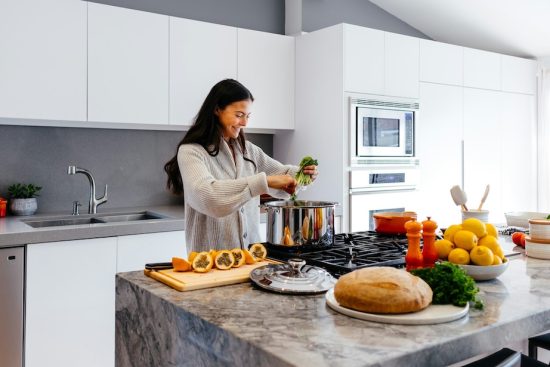
Kitchen design offers a strong example. Many older homes contain kitchens separated by walls from the rest of the house. This arrangement once made sense when cooking involved longer preparation times and stronger smells. Today, many families prefer kitchens that open toward shared spaces so that conversations continue while meals are prepared.
While updating these layouts, homeowners also address hidden issues that affect comfort. Open areas improve air circulation and allow more natural light to reach interior spaces. Better airflow reduces moisture and creates a healthier environment. In many regions, this improved airflow also supports basic pest control efforts because sealed gaps, cleaner storage areas, and improved ventilation limit the conditions that attract insects or rodents.
The connection between layout and home health often surprises people. A poorly planned layout can hide damp corners, create unused storage zones, or block air movement. These areas become ideal places for pests or mold growth. Renovating a layout provides an opportunity to address those problems while improving comfort at the same time.
Lighting also improves when layouts change. Removing a nonstructural wall may allow sunlight from a window to reach multiple rooms instead of one isolated area. That simple change reduces the need for artificial lighting during the day and creates a more welcoming atmosphere.
The Rise of Flexible Living Spaces
One of the most noticeable trends in modern homes involves flexible rooms that adapt to changing needs. Traditional home designs assigned strict purposes to each space. A dining room served meals. A living room hosted guests. A study remained a quiet reading area.
Modern life rarely follows such clear boundaries. Families need spaces that shift between different activities during the day. A living room might host a remote meeting in the morning, homework in the afternoon, and relaxation in the evening.
Layout changes support this flexibility by removing unnecessary barriers between rooms. Sliding partitions, wider doorways, and shared activity zones allow spaces to adapt without major structural changes.
Consider how a redesigned basement can serve multiple functions. During the week it might act as a quiet workspace. On weekends it may transform into a movie area or exercise room. Instead of building several separate rooms, the layout supports multiple uses within a single space.
Furniture placement also plays a role in flexible layouts. Bookshelves, sofas, and movable screens can divide large spaces when privacy becomes necessary. When these items shift easily, homeowners gain more control over how the home functions.
This adaptability has become particularly important in urban areas where housing costs remain high. Families often prefer improving existing space rather than moving to larger homes.
How Layout Influences Social Interaction
The structure of a home influences how people interact with one another. Architects sometimes refer to this concept as the social flow of a house.
Traditional layouts often separated family members into different rooms. Children might spend time in a distant den while adults remained in the kitchen or living room. Although this arrangement provided privacy, it sometimes reduced everyday interaction.
Modern layouts often encourage shared spaces where activities overlap naturally. A parent preparing dinner may still talk with children finishing homework nearby. Guests visiting the home remain part of the conversation even when someone steps into the kitchen.
Open designs encourage these interactions, yet balance remains important. Homes still require quiet areas where people can concentrate or relax without interruption. Good layout design includes both shared zones and private corners.
The Connection Between Layout and Home Value
Layout changes do more than improve daily comfort. They also influence how homes perform in the housing market. Real estate agents frequently note that buyers react strongly to layout during property tours.
A home with an awkward layout may feel smaller than its actual size. Narrow corridors, blocked views, or disconnected rooms create a sense of confinement. Buyers often struggle to imagine living comfortably in such spaces.
Conversely, homes with open sightlines and logical room connections appear larger and more inviting. Even modest homes can feel spacious when layouts allow light and movement to flow easily.
Current housing trends show strong demand for homes that combine shared living spaces with functional work areas. Buyers now expect at least one quiet space suitable for remote work or study. Renovating a layout to include such areas can increase long-term property value.
Storage design also influences buyer perception. Built-in shelving, organized closets, and accessible storage zones show that a home supports everyday living rather than simply displaying style.
For homeowners planning future resale, layout improvements often provide stronger returns than decorative upgrades alone.
Planning Layout Changes the Right Way
Successful layout changes require careful planning before construction begins. Structural walls, electrical wiring, and plumbing lines all influence what changes are possible.
Working with experienced professionals helps homeowners avoid costly mistakes. Architects and contractors can identify which walls support the structure and which can be safely removed. They also ensure that new layouts meet building codes and safety standards.
Budget planning remains essential as well. Layout changes sometimes involve moving utilities or reinforcing structural elements. Setting aside a contingency fund helps manage unexpected costs during renovation.
Homeowners should also test new layout ideas before committing to permanent changes. Simple techniques such as rearranging furniture or marking new wall positions with tape can reveal how a redesigned space will function.
Another helpful step involves observing how people move through the house during different times of day. Morning routines, evening meals, and weekend gatherings each place different demands on a home’s layout.
By studying these patterns, homeowners can design spaces that support daily life rather than interrupt it.
Modern homes continue to evolve alongside social and economic changes. Remote work, rising housing costs, and shifting family routines have all influenced how people use their living spaces. Layout adjustments respond to these changes by improving comfort, flexibility, and functionality. When thoughtful design guides these decisions, homes become more than structures with walls and rooms. They become environments that support everyday living in practical and meaningful ways.
Photo by Blue Bird at pexels.com
Contributed posts are advertisements written by third parties who have paid Woman Around Town for publication.