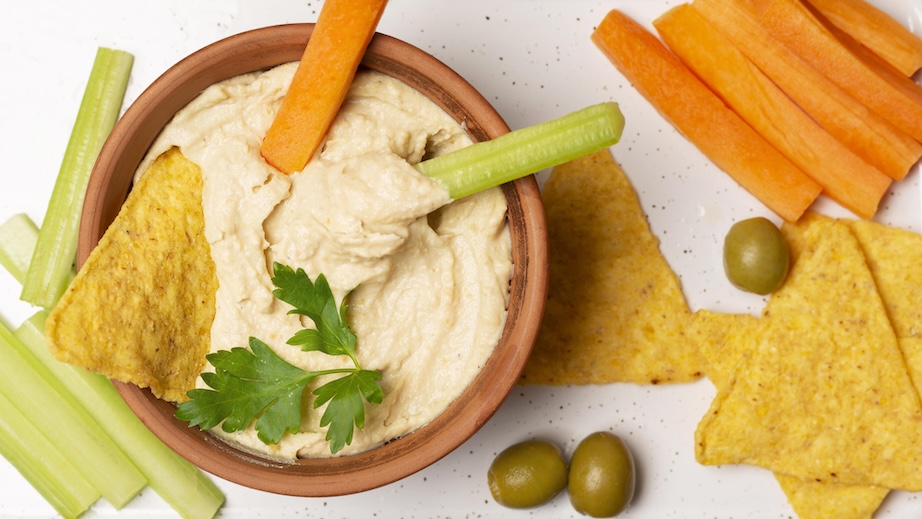
Crack open a tub of refrigerated dip at a party, and you notice the aroma right away: fresh garlic, bright citrus, and herbs that smell like they were just chopped. Compare that to a shelf-stable jar that’s been sitting in a pantry for months, and the difference is obvious. But here’s the thing most people don’t think about: keeping that freshness intact while making sure the product stays safe to eat for weeks takes real science, the right ingredients, and a supply chain that doesn’t cut corners.
The refrigerated dip aisle has changed a lot over the past few years. Shoppers want cleaner labels now. They’re reading ingredient lists and skipping anything loaded with preservatives they can’t pronounce. This shift has created opportunities for brands focused on whole, real foods. For instance, Bitchin’ Sauce offers a plant-based option that leans into this trend, using simple ingredients while still delivering on shelf life. It’s proof that freshness and stability don’t have to be trade-offs.
Temperature Is Everything
Cold slows things down. Bacteria, mold, yeast, and all the microorganisms that cause food to spoil need warmth to thrive. Drop the temperature low enough, and their growth nearly stops. The Food and Drug Administration says perishable foods should stay at 40°F or colder. At that point, most harmful bacteria can’t reproduce fast enough to cause problems.
But refrigeration also protects flavor. Fresh herbs, citrus zest, and raw garlic contain volatile compounds that give dips their punch. Heat breaks those compounds apart, while cold keeps them locked in place. So a well-chilled dip tastes as vibrant on day 12 as it did the day it was made.
Ingredients That Work Overtime
Some ingredients show up in recipes for taste, while others pull double duty. Lemon juice is a good example: it adds brightness, sure, but it also drops the pH of the dip. Vinegar and yogurt do the same thing. Acidic foods carry a naturally lower risk for pathogen growth. That lemon squeeze is doing real work.
Salt plays a similar role. It draws water out of bacterial cells through osmosis. Without enough moisture, bacteria can’t multiply effectively. Combine salt, acid, and steady refrigeration, and a dip has built-in protection. It provides three layers of defense without synthetic chemicals.
The Cold Chain: From Factory Floor to Grocery Shelf
Good ingredients mean nothing if the product sits in a hot warehouse for a day, which is why cold chain management matters. The idea is straightforward: maintain a consistent, safe temperature from the moment a dip is packaged until it lands in a shopper’s cart. Any gap in that chain can shorten shelf life or affect taste.
Producers use insulated containers and refrigerated trucks. Temperature loggers track conditions during transit. Retailers rotate stock so older products sell first. It’s a coordinated effort across multiple businesses.
Packaging Isn’t Just a Container
Many refrigerated products use modified atmosphere packaging. It’s a process where manufacturers replace the oxygen inside the container with nitrogen or carbon dioxide before sealing it. Less oxygen means slower oxidation, which in turn means fats don’t go rancid as quickly, and colors stay true longer.
Container material matters too. Opaque or tinted plastic blocks UV light, which can degrade vitamins and break down certain fats over time. It’s a small design choice that makes a measurable difference in how long the product holds its quality. Even the seal itself is engineered to keep air out after each use.
What Happens After You Bring It Home
Fortunately, keeping dips fresh at home doesn’t require much effort. You should get it back in the fridge fast. The Centers for Disease Control and Prevention recommends returning perishable foods to cold storage within two hours; otherwise, bacteria can start multiplying to unsafe levels. If the room is warm, that window shrinks to one hour.
Use clean utensils every time. Double-dipping introduces bacteria from mouths directly into the container. Seal the lid tightly after each serving to limit air exposure. And store the tub toward the back of the refrigerator, not on the door. Door shelves experience bigger temperature swings every time someone opens the fridge. The back stays colder and more consistent.
Why It All Matters
Refrigerated dips taste better than shelf-stable versions for a reason. Every part of the process is built around protecting flavor and safety at the same time. Understanding what goes into that process makes it easier to appreciate the product and keep it at its best.
Contributed posts are advertisements written by third parties who have paid Woman Around Town for publication.