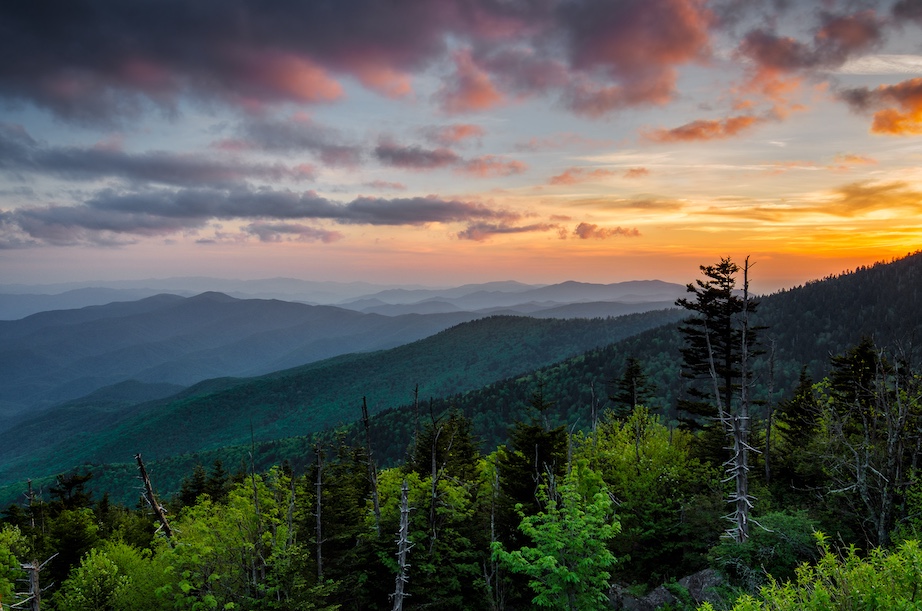
In recent years, the travel landscape has shifted dramatically. No longer are travelers content with standardized stays and familiar routines. Instead, a new wave of adventurers seeks solitude, authenticity, and an escape from the scripted experiences found in conventional travel. As the digital age continues to inundate daily life with constant connectivity, the desire to disconnect has grown more intense. Travelers are no longer merely vacationers—they are experience seekers, opting for unique and secluded retreats that offer personal meaning, tranquility, and immersion in the natural world.
This movement away from traditional accommodations signals a broader cultural transformation. Modern explorers crave moments that feel untouched by commercialism. They want stories, not services. They prefer environments that inspire reflection, not distractions. This trend isn’t driven solely by aesthetics; it reflects a psychological and emotional longing for places that are raw, undisturbed, and profoundly real. In this growing ethos, quietude and remoteness are no longer drawbacks—they are virtues—making destinations like the Smoky Mountains, Tennessee, increasingly emblematic of this shift.
The Appeal of Seclusion and Stillness
A defining element of the modern traveler’s mindset is the growing allure of retreats located far from the commotion of daily life. As technology continues to make the world more accessible, true luxury has shifted toward privacy, quietude, and deep disconnection. Travelers are increasingly drawn to destinations that offer more than just scenic beauty—they seek spaces that enable mental clarity, emotional balance, and a return to one’s natural pace.
These preferences are especially evident in the rising demand for stays that are off-grid and intentionally remote. For example, a Smoky Mountain cabin rental provides the kind of immersive, tranquil experience that modern escapists crave. Surrounded by untouched forest and natural serenity, such a retreat offers more than just shelter—it offers transformation. Its distance from crowds, traffic, and artificial stimuli enhances its appeal, making the journey itself part of the destination. Here, detachment becomes a virtue, and effort enhances value.
In such settings, time slows down. Travelers rediscover their own rhythms, waking with the sun and resting with the quiet hum of night. A fire’s warmth, the scent of trees, and the stillness of a foggy morning aren’t just backdrops—they are the essence of the stay. Simplicity becomes its own form of luxury, fostering a deeper kind of rest that nourishes both body and mind.
Disconnection as the New Luxury
Paradoxically, as connectivity increases worldwide, people are more desperate to unplug. The modern traveler is inundated by notifications, emails, messages, and the pressure of staying socially relevant. Travel, therefore, becomes a form of detox—not from substances but from screen time, multitasking, and overstimulation. The best hidden stays are those without reception, where the absence of Wi-Fi is intentional, not a flaw.
This kind of disconnection, once considered an inconvenience, is now embraced as a precious offering. Instead of entertainment options and digital amenities, hidden retreats present uninterrupted silence. Visitors find themselves immersed in the present moment, not distracted by the digital lives they’ve temporarily left behind. These escapes offer more than peace; they deliver renewal.
The idea of “doing nothing” is finally being rebranded. Instead of itineraries packed with scheduled excursions and activities, many travelers now embrace slow mornings, long hikes, and afternoons spent reading or meditating.
Intentional Experiences over Mass Appeal
Today’s travelers value meaning over popularity. Once, a location’s appeal was determined by how many people had visited it. Now, it’s the reverse. The fewer the check-ins, the greater the allure. Privacy is no longer a side benefit—it’s the main attraction. Travelers don’t want to be part of a crowd; they want to be the only ones there.
This shift has changed how people choose where to stay. Instead of following popular reviews or seeking familiar names, more travelers look for hidden gems—places unlisted in mainstream directories or known only through word-of-mouth. These places offer unstructured experiences and prioritize authenticity over polish. The absence of commercialization allows guests to experience life as it truly is, not as it’s curated to be.
The design of these stays reflects that philosophy. Minimalist interiors, natural materials, and sustainable practices are more common than lavish finishes. What matters isn’t how expensive something looks but how it feels. Comfort, warmth, and the sense of being welcomed into a space that honors simplicity are what resonate most. Even more, the freedom from crowds and corporate oversight allows guests to form personal rituals and traditions that make each visit unique.
The Power of Silence and Solitude
Modern life rarely allows space for genuine silence. Even at night, urban dwellers contend with sirens, neighbors, or the persistent hum of electronics. In contrast, hidden stays offer a kind of auditory relief that few realize they need until they experience it. The absence of sound becomes a form of healing. Without constant input, the mind begins to declutter itself. Thoughts gain clarity, and emotions settle.
Solitude, often misunderstood as loneliness, takes on a therapeutic quality in these settings. Far from social obligations and digital personas, travelers can reflect on their lives without interruption. Some discover buried passions or rediscover creativity long dormant. Others simply appreciate the joy of existing without expectations. The value of being alone—not lonely, but peacefully solitary—becomes apparent.
Sustainability and Stewardship in Travel
Alongside the desire for solitude comes a rising consciousness around impact. Travelers are becoming more aware of how their choices affect the environments they visit. Hidden retreats, by virtue of their small scale and remoteness, naturally promote sustainable practices. With limited resources, many operate off-grid or utilize environmentally responsible systems.
Guests who stay at these locations often participate in that stewardship. Whether it’s conserving water, reducing waste, or simply treading lightly on the landscape, the experience fosters a sense of responsibility. Travelers leave not just rested but more mindful. They return to daily life with a renewed respect for nature and a deeper understanding of their role in preserving it.
In a world increasingly dominated by convenience and speed, the deliberate act of slowing down, going off-grid, and staying somewhere hidden becomes an act of rebellion—and of healing. Escaping the grid is more than just a travel choice. It’s a personal declaration, a silent yet powerful rejection of superficiality, and a return to what truly matters. The most memorable journeys are no longer defined by how far they go but by how deeply they allow travelers to feel, reflect, and reconnect.
Photo by Shutterstock
Contributed posts are advertisements written by third parties who have paid Woman Around Town for publication.