In 1961, The Marvelettes recorded their hit “Please Mr. Postman,” where a dumped boyfriend longs to receive a letter from his estranged lover. The Carpenters recorded another version of the song in 1975 and, once again, it soared to the top of the Billboard Hot 100.
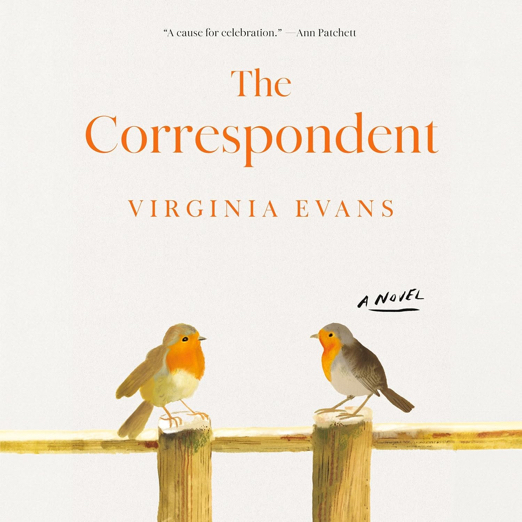
While we still have postmen – and women – fewer of what they deliver these days are love letters, or, for that matter, personal letters of any kind. That’s why it’s surprising, and heartening, to find Virginia Evans novel, The Correspondent, number one on The New York Times bestselling list. The narrative enfolds in a series of letters between Sybil Van Antwerp, a retired attorney and law clerk, and her relatives, friends, and business associates, as well as authors and famous people she’s never met. Some reviewers, lauding Evans’ writing, predict the novel may encourage fans once again to take pen to paper rather than rely on email to send messages.
I doubt that such a trend will see a major resurgence. But reading Evan’s book made me think back to a time when I wrote letters, lots of letters, and – surprise – received replies. In high school, I had my favorite stars and shows, so I wrote to them requesting autographed photos. And they answered! Not only did I receive the photos where the signatures had actually been made with a pen, but often a note was enclosed thanking me for my interest. I soon had a scrapbook filled with these photos. One included the cast of a popular Western. Years later as a young newspaper reporter, I had the chance to interview one of the stars and thanked him for sending that photo so many years ago. (He didn’t, of course, remember, but was gracious in acknowledging my thanks.)
In college, I wrote a paper on religion in the news and sent questions to prominent religious figures. I received a very thoughtful response from New York’s Terence Cardinal Cooke, as well as the religion editor at a magazine. Although I never met the Cardinal, I did meet the editor who had some very useful advice about crafting a career in journalism.
Evans’ use of letters might have been viewed as merely a gimmick, but her skilled writing puts those criticisms aside. As crafted, Sybil’s letters take in a range of emotions, while dealing with themes that will be familiar to many readers. We know that Sybil had three children, but lost her middle son, Gilbert, when he was a child. While she’s close to her surviving son, Bruce, she has a difficult relationship with her daughter, Fiona. After Gilbert’s death, Sybil and her husband, Daan, divorced and he moved back to Belgium, where he was from. In some of the letters, Sybil comes across as tough, even demeaning, but her relationship with Harry, a teenager who is brilliant but has emotional issues, brings out her soft side.
Sybil’s situation also resonates with an aging audience. She’s losing her sight, a loss that will impact many aspects of her life, but one that hits hard – her letter writing. At 76, she’s being courted by two men, but can’t imagine anther marriage. And when she’s prevented from auditing a course at a local university, she sees it as a reaction to her age.
Perhaps it’s this aging audience, one familiar with letter writing, that has catapulted The Correspondent to the top of bestselling lists. Younger readers, however, especially those tired of social media, may give letter writing a chance. Time to stock up on high quality paper and maybe even a fountain pen.
The Correspondent
Virginia Evans
Bigstock photo by Gajus
Our editors love to read and independently recommend these books. As an Amazon Affiliate, Woman Around Town may receive a small commission from the sale of any book. Thank you for supporting Woman Around Town.