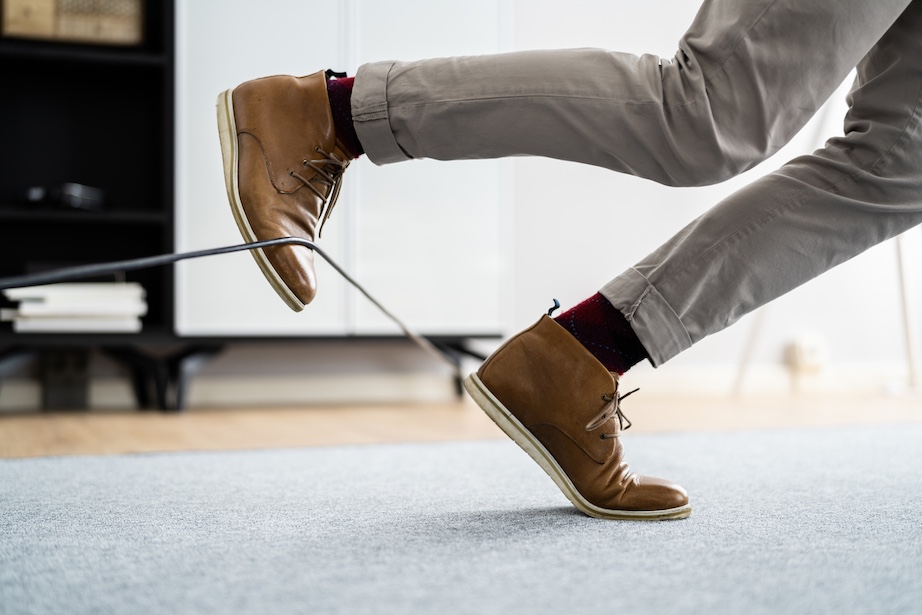
A fall can happen before you’ve had a second to register what went wrong. One moment you’re moving through your day, and the next you’re trying to catch yourself or regain your footing. It can feel jarring, embarrassing, and more serious than it first appears. Staying calm in those first few moments can help you protect your health and make better decisions afterward.
Pause First: Check Yourself for Injuries
Before you rush to stand up, pause for a moment. Most people want to shake it off right away, especially in public, but taking a breath gives you a chance to notice how you actually feel.
Pay attention to sharp pain, dizziness, or any trouble moving. Shift slowly and see how your body responds. If something feels off, stay where you are and ask for help. Adrenaline can mask pain, so even if you think you’re all right, it’s wise to slow down and check in with yourself.
Take in Your Surroundings
Once you feel steady enough, look around and try to figure out what caused the fall. It could have been a wet floor, uneven pavement, poor lighting, loose debris, or an unmarked surface.
Those details can be easy to miss when you’re shaken. Noticing them helps you understand what happened, and it may matter later if questions come up. It can also draw attention to a hazard that could affect someone else.
Document What You Can If You’re Able
If you have your phone and feel up to it, take a few photos of the area. The ground, lighting, and any condition that may have contributed to the fall can look different later than they do in the moment.
It also helps to note the time and exact location. If anyone nearby saw what happened, ask for their name and contact information. It does not have to feel formal. A simple record can help preserve the basics while everything is still fresh in your mind.
Report the Incident When Appropriate
If the fall happened in a place managed by an organization, such as a store, transit station, or public building, let someone know. That could be a staff member, security guard, or building manager.
Reporting the incident creates a record and may help get the hazard addressed before someone else gets hurt. It also brings the issue to the attention of the people responsible for that space.
When a Fall Involves Public Property
In New York, daily life often unfolds in shared spaces such as sidewalks, subways, transit platforms, and public buildings. The same is true in other major cities across the country, where a fall in one of these settings can involve more than just an unexpected injury. Similar situations come up from dense Midwestern cities to large metro areas in states like California and Texas, where public infrastructure varies from one region to the next.
In places like Chicago, some of these spaces are maintained by government entities rather than private businesses, which can affect what happens after an accident. That is why it can be helpful to review your rights after a fall on government property and get a clearer sense of what to expect.
Prioritize Your Recovery
Even if a fall seems minor at first, pay attention to how you feel over the next several hours and days. Some injuries take time to show up, and soreness often becomes more noticeable after the initial shock wears off.
If you notice swelling, stiffness, lingering pain, or limited movement, seeking medical care may be a sensible next step. Keeping track of symptoms, appointments, and related expenses can also make recovery feel more manageable.
Rest matters. Giving your body time to heal is just as important as handling the immediate moment well.
How to Reduce Your Risk in the Future
Not every fall can be prevented, but a few simple habits can make a real difference. Staying aware of your surroundings, especially in crowded or unfamiliar places, can help you spot hazards before they catch you off guard.
Footwear matters as well. Shoes with support and traction can give you more stability on slick or uneven surfaces. Weather can also change conditions quickly. Rain, ice, and even wet leaves can create surfaces that are easier to underestimate than most people realize.
Public health guidance reinforces many of these same habits. The Centers for Disease Control and Prevention’s fall prevention advice highlights how awareness, visibility, and steady everyday habits can help reduce the risk of falls. Slowing down when conditions change can also help you stay surer on your feet.
Staying Aware Without Feeling Anxious
After a fall, it’s natural to feel more cautious. That extra awareness can be useful, but it should not take over your day or make every outing feel stressful.
A few small adjustments can help restore confidence. Choose well-lit routes when you can, give yourself a little more time in crowded areas, and pay closer attention to uneven ground. These are simple changes, but they can help you feel steadier without making you feel tense.
For a broader take on building confidence in everyday situations, practical safety habits for daily life offer a helpful reminder that awareness and ease can exist side by side.
Conclusion
A fall in a public place can be upsetting, but it does not have to leave you feeling unsure of what to do next. Taking a moment to assess yourself, understand what happened, and respond with care can help you stay grounded when the situation feels stressful.
With awareness, a few practical steps, and trust in your own judgment, it becomes easier to move forward with confidence.
Credit: AndreyPopov on iStock by Getty Images
Contributed posts are advertisements written by third parties who have paid Woman Around Town for publication.