Today, meth contamination is something we know more about than we did before. The increase in methamphetamine manufacture and use has led to increased incidents of contaminated homes and properties. This process is critical because meth decontamination is essential for keeping these environments safe and healthy for tenants and the wider community.
The Nature of Meth Contamination
Methamphetamine, or meth, is an illegal, powerful stimulant. However, the cultivation process releases pesticides and other harmful chemicals into the environment, contaminating our soil and air. The poisonous residue remains on surfaces for a long time and can be a significant health risk for all who enter the premises. Where meth has been smoked, it can also be located in homes, not just in clandestine laboratories. If your property has been exposed to hazardous substances, professional meth decontamination cleaning is essential to restore it to a safe living environment.
Health Dangers Of Meth Residue
Meth residue exposure can lead to a variety of health problems. Impacts could range from respiratory illnesses, skin irritation, and headaches to nausea in children and other individuals exposed to contaminated locations. Chronic exposure can lead to more serious health effects, including neurological damage and developmental disorders in small children. Recognising these risks helps highlight the importance of meth decontamination.
How Meth Decontamination Works
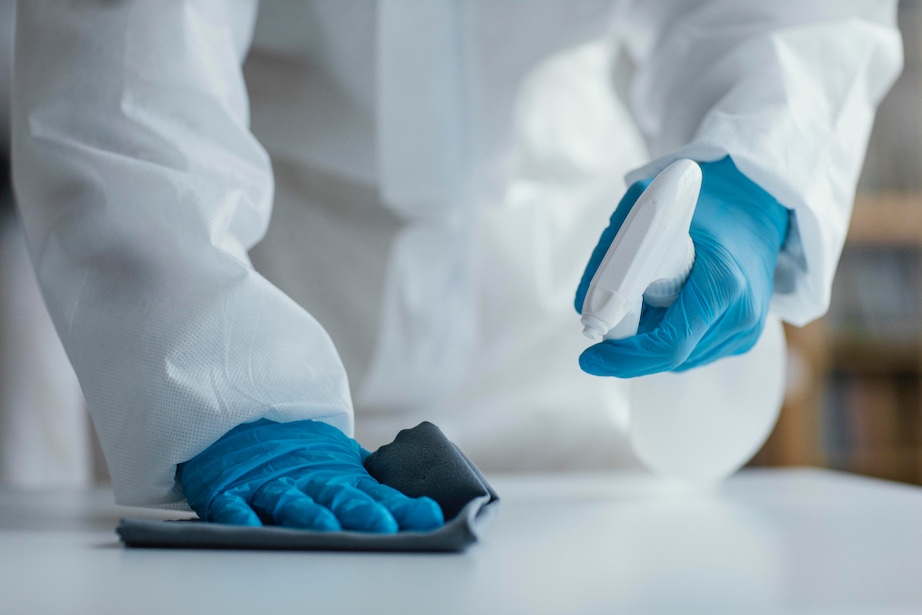
Meth decontamination involves several key steps (if done correctly) to eliminate hazardous residue. It starts with an extensive evaluation of the affected site. Trained professionals use special equipment to measure the extent of contamination and the specific surfaces affected. This process, in turn, helps produce a decontamination plan based on the risk area.
After identifying how far the contamination reaches, they start the cleaning process. Generally, this process includes cleaning every surface, from walls to floors to ceilings. The third process (when needed) is using special cleaning agents to decompose the meth residues while also neutralising any toxic particles that may be left behind. Complete decontamination may require replacing materials such as insulation or carpeting.
What To Consider Decontamination
It is best to hire professionals for meth cleaning. Specialists have years of experience working with hazardous materials and have the right tools for the job. Trying to deal with meth-contaminated areas without the services of a professional can simply result in broader contamination. That level of professionalism means that they stick to strict guidelines and protocols that can protect current and future occupants.
Regulations & Legal Guidance
Different parts of the world regulate meth decontamination services, with many regions setting guidelines. These standards verify that places where biological contamination has occurred are safe to reoccupy after decontamination. Adhering to these laws is essential, as non-compliance could lead to legal liabilities and potential health hazards for tenants. Landlords must stay current with local regulations and consult professionals to navigate the environment. Any landlord that doesn’t make efforts to comply could be in need of a Criminal Lawyer in the future.
Awareness And Prevention
Spreading awareness about the risk of meth contamination can prevent future occurrences. The availability of community education programmes that teach how to recognise the signs of both meth manufacture and use is essential. Friction by way of prevention: Identifying preventive measures like routine property inspection and tenant screening could lessen the chances of contamination. Open conversations in the community can foster teamwork to address the issue proactively.
Economic and Environmental Effects
While meth decontamination is critical, it is an expensive process. The overall costs include cleaning services, replacing ruined materials, and compliance with regulations. The funds spent decontaminating raw land are a fraction of the health risks and legal liability involved in ignoring the problem. Toxic chemicals that can be leached out into the ground and water inside out meth contamination avoidance prevents this from occurring.
Conclusion
Meth decontamination is not only necessary but also a crucial step in creating a safe space for everyone to live. Identifying the nature of meth contamination, knowing the health risks associated with it, and hiring professionals to remove it or mitigate its effects are keys to dealing with it in the home or community. Adhering to rules and preventing chaos contributes to the safety of the neighbourhood. As awareness spreads, collective action to eliminate meth contamination will help create safe and secure spaces for all.