

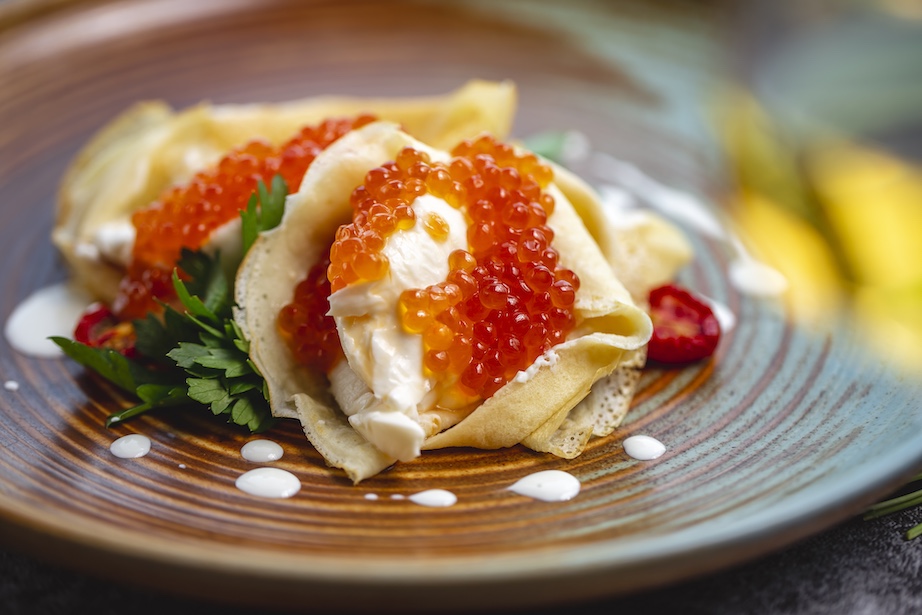
There’s a moment at every dinner party when someone eyes the little tin of caviar on the table and asks, quietly, “so how much did that cost?” It’s a fair question. Caviar has a reputation for being one of the most expensive foods in the world, and most of us have never actually stopped to ask why. Is it the fish? The harvesting? Pure marketing? A little of all three, it turns out, and once you understand the pieces, the price stops feeling mysterious and starts feeling, honestly, kind of fascinating.
The team at Caviar Star, a purveyor based in Ocean Isle, North Carolina, that’s been sourcing and shipping sturgeon caviar and other fine roe since long before “farm to table” was a marketing phrase and came away with a much clearer picture of where the money actually goes.
The Fish Is the First Expense, and It’s a Big One
Caviar comes from sturgeon, a fish that takes an unusually long time to mature. Depending on the species, a female sturgeon needs anywhere from seven to twenty years before she produces roe worth harvesting. Compare that to a chicken laying eggs within months of hatching, and the math starts to explain itself. A farm raising sturgeon is carrying years of feed, water quality management, and veterinary care before a single jar of caviar is ever produced. That patient, multi-year investment gets baked into every ounce.
Beluga, the largest and slowest-maturing sturgeon species, commands the highest prices for exactly this reason. Osetra and sevruga mature faster and cost less, which is why they’re often the more approachable entry point for someone trying real sturgeon caviar for the first time.
Grading Is Where Prices Really Start to Diverge
Not all roe from the same species is priced the same, and this is the part most people never hear about. Once caviar is harvested, it’s graded on bead size, color consistency, firmness, and flavor, much the way wine or olive oil is judged. Larger, more uniform beads with a clean, buttery finish land in the premium tier. Smaller or slightly inconsistent grains are still excellent caviar, just priced more accessibly. This is also why two tins labeled with the same species name can have noticeably different price points; the species tell you the story’s beginning, but the grade tells you the rest of it.
Sourcing and Standards Matter More Than People Realize
This is where a reputable supplier earns its price. Wild sturgeon populations have been protected under international trade regulations for years now because of historic overfishing, which means virtually all legal caviar sold in the U.S. today comes from responsibly managed aquaculture farms. Caviar Star works directly with sturgeon farms that follow strict water quality, feed, and welfare standards, and every tin is traceable back to its source and harvest date. That traceability isn’t just a nice detail for the curious, it’s the difference between caviar you can trust and caviar you’re taking a gamble on.
Cold-chain handling adds another layer of cost. Fresh caviar must stay at a precise, near-freezing temperature from the moment it’s harvested until it reaches your table, which means expedited, temperature-controlled shipping every step of the way. Skip that step and quality drops fast, no matter how good the fish was to begin with.
So, What Should You Actually Expect to Pay?
Here’s the honest, no-nonsense version: entry-level sturgeon caviar generally starts somewhere in the $75–$120 per ounce range in 2026, mid-tier Osetra sits comfortably in the $150–$250 range, and top-shelf Beluga or limited-harvest reserve caviars can climb well past $300 an ounce. If a price looks too good to be true for genuine sturgeon roe, it’s worth pausing before you buy, that’s usually a sign of a lower-grade product, or worse, mislabeling. For anyone who wants the full picture broken down by species, grade, and size before they order, Caviar Star has a page with caviar prices explained in plain terms, which is a genuinely useful bookmark before your next dinner party or gift purchase.
A Few Questions We Hear Often
Is more expensive always better? Not necessarily, it depends on what you’re after. A firmer, higher-grade Beluga suits a formal, sit-down tasting, while a well-made Osetra or American hackleback is a wonderful, more affordable way to introduce caviar into a weeknight celebration.
How much do you need per person? A good rule of thumb is about half an ounce to one ounce per guest as an appetizer portion, which helps make even a premium tin feel more reasonable once it’s divided across a table.
Does the price include shipping and packaging? With most quality suppliers, yes, the cold-chain logistics we mentioned earlier are typically built into the price, not tacked on separately, since keeping the product at the right temperature isn’t optional.
Once you see caviar’s price tag as the sum of a slow-growing fish, careful grading, responsible sourcing, and real logistics, it stops feeling like an arbitrary luxury markup and starts feeling like what it is: a food that simply takes time and care to get right. And that, more than anything else, is worth toasting to the next time that little tin makes its way around the table.
Image by stockking on Magnific
Contributed posts are advertisements written by third parties who have paid Woman Around Town for publication.