Ways Poor Indoor Air Quality Can Affect Your Health

The following curated article is provided by our advertisers. Contributed articles help our readers in categories beyond our main Woman Around Town topics such as legal matters, personal issues, home improvement, and more. While we don’t endorse any of the products mentioned or linked to in these articles, we only publish articles that we hope our readers will find helpful. We often receive compliments about these articles and enjoy them ourselves. We hope you enjoy them as well!

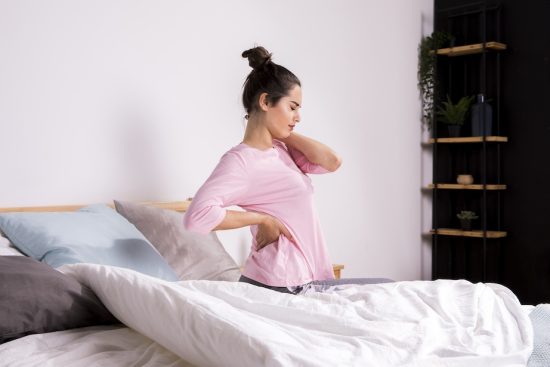
Poor indoor air quality can have a serious impact on your health, especially if you spend most of your time indoors. Poor air quality can cause a range of symptoms from headaches and fatigue to more serious respiratory problems such as asthma. In extreme cases, poor indoor air quality can even lead to long-term illnesses or death.

Improving indoor air quality is a difficult process. This is why working with indoor air services with experience is important. They will have the tools to correct the source of poor indoor air quality.

Knowing the signs and causes of poor indoor air quality is essential to ensure that you live in an environment with good air quality. This article will explore how poor indoor air quality can affect your health and what steps you can take to improve it.

Respiratory Issues 

Poor indoor air quality can cause various respiratory issues, such as asthma and allergies. Asthma is a chronic respiratory disease that affects the airways, making them swell and produce excessive mucus, making breathing difficult for people.

Exposure to poor indoor air can trigger asthma attacks in those who are already predisposed to asthma and those who are not. Allergies can also be triggered by poor indoor air quality because the particles in the air can act as irritants for sensitive people.

Dealing With Ongoing Headaches

Headaches are a common symptom of poor indoor air quality, and exposure to poor air quality is often linked to increased headaches. Headaches associated with poor indoor air quality can range from mild headaches to severe migraines. Poor indoor air quality can also trigger other symptoms, such as fatigue and nausea, leading to even more intense headaches.

Certain pollutants in the air can also cause headaches, such as carbon monoxide, formaldehyde, and volatile organic compounds. These pollutants are found in many common household items such as paint, cleaners, furniture, and carpets. To reduce the risk of headaches associated with poor indoor air quality, it is important to ensure that your home is free of these pollutants.

Long-Term Health Risks

The long-term effects of poor indoor air quality can be even more serious than the short-term symptoms. Prolonged exposure to poor indoor air can cause a range of long-term health issues, such as respiratory illness, cardiovascular disease, and cancer.

Research has also shown that poor indoor air quality can increase the risk of birth defects in pregnant women and developmental delays in children. Thus, it is important to take steps to improve your home’s indoor air quality as soon as possible.

It is clear that poor indoor air quality has a significant impact on the health of those who are exposed to it, both in the short and long term. To protect your health and that of your family, it is important to take steps to improve your home’s indoor air quality as soon as possible. Allowing professionals to deal with these problems is the best way to get them fixed quickly. 

Photo by Brittany Colette on Unsplash

Share This Post:

Bluesky Icon Bluesky
Facebook

Most business owners spend money on CCTV, alarm systems, roller grilles, padlocks, and still get surprised when a break-in happens, or when they open up on a Tuesday and find their merchandise bleached out and…

Glucagon-like peptide-1, commonly known as GLP-1, is a naturally occurring hormone that has become central to conversations about appetite regulation and metabolic health. Produced in the intestines after eating, this hormone signals satiety to the…

You can get used to blurry vision more than you think. Squinting at your phone, holding books a little closer, avoiding night driving, these things slowly become part of your routine. At first, it feels…

There are few ways to start a day worse than waking up in more pain than you went to sleep with. If upper back pain after sleeping is a regular part of your mornings, it’s…

Wellness is no longer built around isolated habits. Instead, it is becoming a combination of routines that support both physical and mental well-being in a consistent, sustainable way. From skincare to stress management, people are…

Something has quietly shifted in the way women think about income. The old model, focusing on one job, one paycheck, one path, is giving way to something more fluid, more creative, and frankly more interesting.…

Poet’s Corner – The American Way

About her poem, Robin Clark says, “America is a new America. The future is unknown, but I do feel hope. I do believe in us…it’s just the hoops we are yet to jump through, to return to national decency, which alarms me.”

read more

Beyond Blinds: The Dual Functionality of Rolling Shutters

Most business owners spend money on CCTV, alarm systems, roller grilles, padlocks, and still get surprised when a break-in happens, or when they open up on a Tuesday and find their merchandise bleached out and faded from months of direct sunlight sitting behind glass. The problem isn’t your security budget. It’s that you’ve been treating two separate business problems, protection and climate control, as two separate expenses. They don’t have to be. Rolling shutters solve both.

read more

The Science Behind GLP-1 Supplement Drinks for Managing Sugar Cravings

Glucagon-like peptide-1, commonly known as GLP-1, is a naturally occurring hormone that has become central to conversations about appetite regulation and metabolic health. Produced in the intestines after eating, this hormone signals satiety to the brain, helps regulate blood sugar levels, and influences how quickly food moves through the digestive system. As researchers have deepened their understanding of GLP-1’s mechanisms, a new category of wellness products has emerged: GLP-1 supplement drinks designed to support the

read more

5 Common Vision Problems That May Qualify for Surgical Correction

You can get used to blurry vision more than you think. Squinting at your phone, holding books a little closer, avoiding night driving, these things slowly become part of your routine. At first, it feels manageable. Then one day, you realize you are planning your life around what you can and cannot see clearly. In many places, including busy areas like New Jersey, where people rely on clear vision for work, commuting, and daily life,

read more

Waking Up With Upper Back Pain? Here’s What Your Sleep Setup Might Be Doing Wrong

There are few ways to start a day worse than waking up in more pain than you went to sleep with. If upper back pain after sleeping is a regular part of your mornings, it’s a signal worth paying attention to, not just for your comfort, but for your overall health. The upper back is a complex region, and the causes of sleep-related pain there are more varied than most people realize. What’s Actually Happening

read more
You've loaded all available articles in this category

Poet’s Corner – The American Way

About her poem, Robin Clark says, “America is a new America. The future is unknown, but I do feel hope. I do believe in us…it’s just the hoops we are yet to jump through, to return to national decency, which alarms me.”

read more

Beyond Blinds: The Dual Functionality of Rolling Shutters

Most business owners spend money on CCTV, alarm systems, roller grilles, padlocks, and still get surprised when a break-in happens, or when they open up on a Tuesday and find their merchandise bleached out and faded from months of direct sunlight sitting behind glass. The problem isn’t your security budget. It’s that you’ve been treating two separate business problems, protection and climate control, as two separate expenses. They don’t have to be. Rolling shutters solve both.

read more

The Science Behind GLP-1 Supplement Drinks for Managing Sugar Cravings

Glucagon-like peptide-1, commonly known as GLP-1, is a naturally occurring hormone that has become central to conversations about appetite regulation and metabolic health. Produced in the intestines after eating, this hormone signals satiety to the brain, helps regulate blood sugar levels, and influences how quickly food moves through the digestive system. As researchers have deepened their understanding of GLP-1’s mechanisms, a new category of wellness products has emerged: GLP-1 supplement drinks designed to support the

read more

5 Common Vision Problems That May Qualify for Surgical Correction

You can get used to blurry vision more than you think. Squinting at your phone, holding books a little closer, avoiding night driving, these things slowly become part of your routine. At first, it feels manageable. Then one day, you realize you are planning your life around what you can and cannot see clearly. In many places, including busy areas like New Jersey, where people rely on clear vision for work, commuting, and daily life,

read more

Waking Up With Upper Back Pain? Here’s What Your Sleep Setup Might Be Doing Wrong

There are few ways to start a day worse than waking up in more pain than you went to sleep with. If upper back pain after sleeping is a regular part of your mornings, it’s a signal worth paying attention to, not just for your comfort, but for your overall health. The upper back is a complex region, and the causes of sleep-related pain there are more varied than most people realize. What’s Actually Happening

read more
You've loaded all available articles in this category