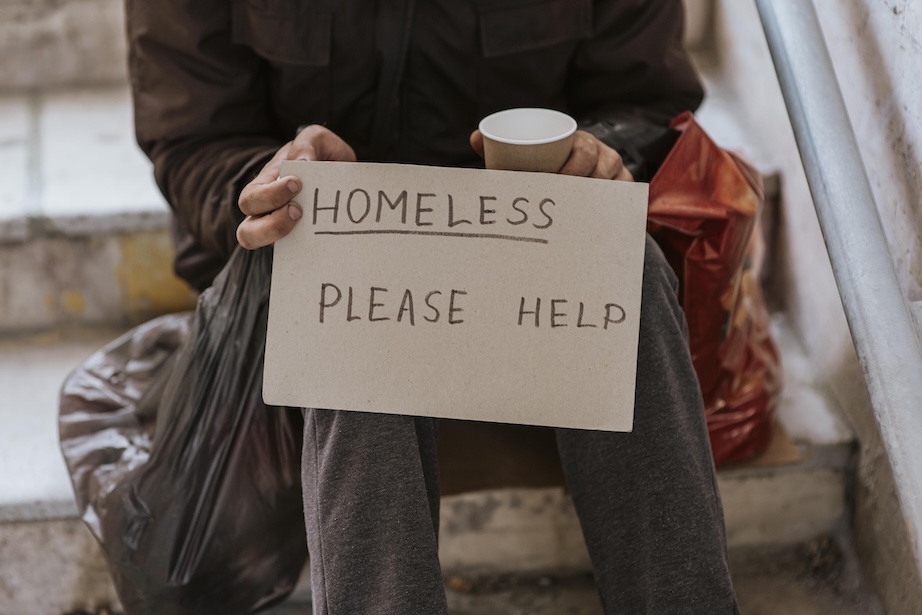
Youth homelessness is a critical social issue that affects thousands of young people globally. It is more than a lack of shelter — it is a complex experience intertwined with emotional instability, disrupted education, and limited access to opportunities. In this blog post, we explore what youth homelessness is, why it happens, the challenges young people face, and how communities can support meaningful change.
What Is Youth Homelessness?
Youth homelessness refers to young people — typically aged between 12 and 25 — who are without stable, safe, and adequate housing. This can include young people sleeping rough on the streets, staying in emergency accommodation, couch surfing with friends or family, or experiencing unsafe or unstable living situations. Unlike adult homelessness, youth homelessness often involves hidden or temporary arrangements that may not be immediately visible.
Why Does Youth Homelessness Happen?
Youth homelessness doesn’t occur for a single reason. Rather, it is the outcome of various, often overlapping factors. Understanding these causes helps paint a fuller picture of why young people find themselves without secure homes.
1. Family Conflict and Breakdown
For many young people, strained relationships at home are a leading cause of homelessness. Conflict can arise from issues such as abuse, neglect, rejection (particularly for those identifying as LGBTQ+), or unmet mental health needs. When young people feel unsafe or unsupported at home, leaving may seem like the only option.
2. Economic Hardship
Poverty plays a significant role in youth homelessness. Families struggling financially may be unable to maintain stable housing, or young people may be forced to leave home to reduce financial stress. Additionally, limited access to well-paid work, training, or education can make it difficult for young people to secure independent living arrangements.
3. Mental Health and Substance Use
Many young people experiencing homelessness also face mental health challenges or substance use issues. These may be both a cause and a consequence of their housing instability. Without timely support, mental health difficulties can make it harder to sustain employment, manage daily life, or navigate support systems.
4. Systemic Barriers
Young people exiting out-of-home care, juvenile detention, or immigration detention often lack the support networks and resources needed for a stable transition. Inadequate housing assistance, long waitlists for public housing, and complex service systems exacerbate the risk of homelessness.
The Realities of Living Without a Home
Youth homelessness is not just about where someone sleeps. It has deep and lasting effects on a young person’s physical, emotional, and social well-being.
Educational Disruption
Without a secure home, attending school or vocational training consistently becomes a major challenge. Frequent moves or unstable living conditions make it harder to focus on learning, complete assignments, or build supportive relationships with teachers and peers. This disruption often leads to lower educational attainment, limiting future opportunities.
Health and Safety Concerns
Young people experiencing homelessness are at increased risk of physical harm, poor nutrition, and untreated health conditions. They may encounter violence, exploitation, or discrimination on the streets or in unstable housing environments. Lack of access to healthcare further compounds these risks.
Emotional and Psychological Impact
Feelings of isolation, shame, and instability are common among young people without secure housing. The emotional toll can lead to anxiety, depression, or withdrawal from supportive relationships. When a young person’s sense of identity and self-worth is tied to stability and belonging, homelessness can deeply affect mental well-being.
How Communities Can Help
Addressing youth homelessness requires a multi-layered approach that involves individuals, communities, policymakers, and service providers. Here are several strategies that can make a meaningful difference.
1. Early Intervention and Support
Identifying young people at risk before they become homeless is crucial. Schools, health professionals, and community organizations can play a key role by recognizing early signs of family conflict, disengagement from education, or mental health struggles, and connecting young people with appropriate support.
2. Safe and Affordable Housing Options
Expanding access to affordable housing and youth-focused accommodation can reduce barriers to stability. Transitional housing, supported independent living programs, and long-term affordable rentals are all part of creating options that meet diverse needs.
3. Holistic Support Services
Young people experiencing homelessness often require comprehensive care — including mental health support, job training, life skills programs, and legal assistance. Services that take a strengths-based, person-centred approach empower young people to build resilience and autonomy.
4. Community Awareness and Empathy
Stigma and misunderstanding can deepen isolation for young people facing homelessness. Community awareness campaigns, empathetic storytelling, and youth-led initiatives help shift perceptions and foster environments where young people feel valued and supported.
Conclusion: Supporting Hope and Opportunity
Youth homelessness is a complex and deeply human issue that goes beyond the absence of bricks and mortar. It touches on safety, dignity, opportunity, and belonging. While the challenges are significant, they are not insurmountable. Through collaboration, empathy, and targeted action, communities can create pathways that help young people move from uncertainty to stability.
Every young person deserves a safe place to live, the opportunity to grow, and the support to create a future filled with possibility. Addressing youth homelessness not only benefits individuals but strengthens the fabric of our communities as a whole.
Contributed posts are advertisements written by third parties who have paid Woman Around Town for publication.