Have you ever noticed that your child seems to learn more in one holiday than in a whole semester at home? Maybe it’s from packing their own bag, navigating new places, or sharing the final slice of pizza without a meltdown. These aren’t just travel moments. They’re parenting wins. When families leave routine behind and step into something different, growth happens. Suddenly your kid isn’t just experiencing the world. They’re interacting with it.
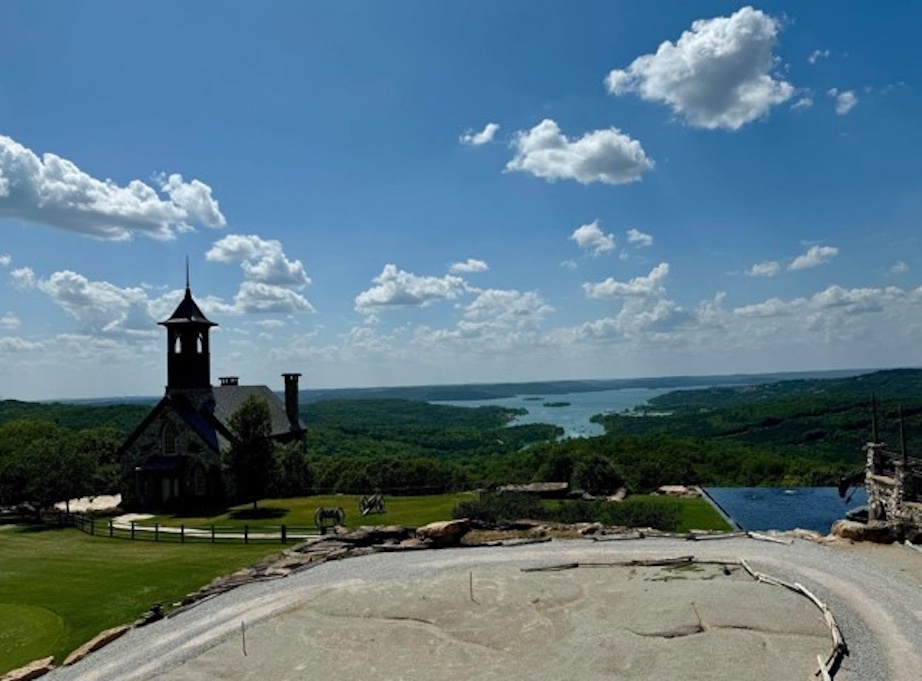
And let’s be honest—parents need a reset too. In a time when screen time is up, free play is down, and most “family activities” mean navigating indoor malls, travel offers a chance to break the cycle. For families visiting destinations full of energy and variety—like the fun?filled entertainment hub of Branson,?MO—the planning becomes part of the lesson. It’s less “let’s go” and more “let’s grow”.
In this blog, we will explore how travel isn’t just about fun—it quietly becomes a parenting strategy that shapes attitudes, builds skills, and strengthens bonds for life.
Lessons Between the Lines of the Itinerary
At home, every day has a loop: wake up, go to school, come home, homework, dinner, screen time, sleep. It keeps the machine running, but it doesn’t challenge it. But when you’re away, especially somewhere new, the script changes. A forgotten sock becomes a problem to solve. A wrong turn becomes a shared laugh. It’s not disaster. It’s opportunity.
That’s why fixing your schedule—before the GPS nags or the snack bag empties—makes a difference. Building in breathing space and “what if” moments gives kids and parents both the chance to adapt. They get to try. They get to change plans. They get to succeed. And, just as important, they get to fail—without real consequences.
If you’re specifically looking for quintessential Branson attractions for families, Dolly Parton’s Stampede is a standout. With lots of horse tricks, music and a full dinner all in one place, it goes beyond entertainment. It’s built to bring people together. Book it early, plan around it, and you’ll walk away with more than photos—you’ll leave with a shared memory that actually sticks. It’s the kind of moment that quietly earns its place in your family’s highlight reel.
Parenting in Motion: Skills That Travel Teaches
Travel might look like fun from the outside, but for parents, it’s an undercover classroom. Every part of the journey—packing, budgeting, waiting—teaches lessons that no lecture could.
Packing Builds Ownership
Packing might not feel exciting, but it reveals a lot. When kids pack their own day bag, they take responsibility. When they overfill a toy box and insist on carrying it, they learn quickly what’s useful and what just slows them down. And when that one jacket they didn’t pack turns out to be the thing they need, they start to understand the value of planning ahead.
Budgeting in Real Time
Money hits different on vacation. Give kids a set spending limit for treats or souvenirs, and you’re handing them more than a few dollars—you’re giving them a real decision to make. Ice cream now or keychain later? One thing today or two smaller things tomorrow? When the budget runs out, they don’t just hear “no”—they understand why. These trade-offs stick in a way chores-for-allowance never quite do.
Patience, the Unspoken Lesson
There’s no fast-forward button for delayed flights or long lines. And that’s the point. Travel slows things down, and kids learn that waiting is part of life. Jet lag, unfamiliar food, or confusion at check-in—it all tests their patience. But it also shows them how adults handle setbacks, calmly or otherwise. That’s learning through observation.
Watching You Navigate
Travel shows kids how you behave under pressure. When you stay cool after getting lost or laugh off the third detour of the day, they learn something valuable: stress doesn’t have to steal the joy. Your calm response becomes their model. These are the parenting moments that don’t feel like teaching—but are.
Why Planning Beats Perfection
Let’s clear this up: travel with kids won’t be flawless. That’s not the point. The point is to be intentional. To set the scene where growth happens. That means booking the experiences that matter, without turning every minute into a rigid schedule.
Secure those big moments. So when you go out for the show or the attraction, you arrive ready—not chasing last?minute seats. Then leave plenty of room for improvisation. Let the kids wander the boardwalk. Let the adults find coffee. Let someone nap in the hotel lobby while the others stroll.
The real magic happens when you see the unexpected as part of the plan. The snack spilled on the rental car seat? Rewrite it as “we got to wash clothing together.” The rain?delay on the outdoor activity? “We used it to find a new museum.” Travel doesn’t just build memories when everything goes right—it builds character when things go sideways.
Family Travel That Keeps Giving Back at Home
Here’s where the long game wins. A trip that teaches strategy, cooperation, and curiosity will ripple out after you unpack. You’ll see it in the lunchbox choices. In the sibling cooperation. In the way a simple “What did you enjoy most today?” turns into a story, not a grunt.
In addition, family trips have been shown to boost children’s academic performance by sparking curiosity and improving problem-solving skills through real-world experiences. Exposure to new environments and cultures also enhances creativity, communication, and focus once they return to the classroom.
And you don’t have to fly across the globe. A well?planned weekend counts just as much. What your child gains is not about distance. It’s about difference. The feeling that this space is new, this schedule is different, and these moments count.
And parents get something too—not just photos, but proof. Proof that your investment in time and energy pays off. Each trip becomes evidence that you’re not just managing behavior. You’re crafting capability. You’re guiding curiosity. You’re raising resilient humans.
Travel done right turns the usual cadence into an opportunity. It breaks routines, builds trust, and broadens bulging horizons. So next time you choose a trip with your kids, don’t just think fun. Think formation. Because the best journeys don’t just change where you are. They change who you all become.
Photo by Shutterstock
Contributed posts are advertisements written by third parties who have paid Woman Around Town for publication.