Weightlifting is definitely an enjoyable journey that will reap more rewards than just physical appearance alone. However, as lifters advance, they typically use wrist wraps. These tools are designed to give additional aid and support. Many people unknowingly make mistakes when using wrist wraps. In this article, I’ll go over some of the most common things that people do wrong when lifting and some simple tips you can use to improve your lifts.
Incorrect Placement
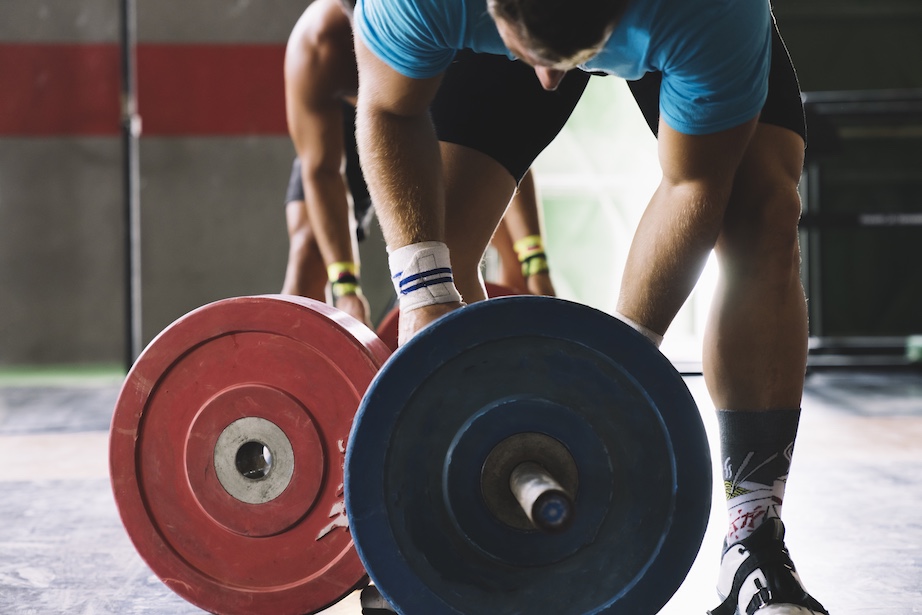
Lifters rely on premium wrist wraps for lifting to improve stability and reduce strain.
One of the most common mistakes with wrist wraps is wearing them too high or too low. If you are poorly positioned, they will not provide proper support. These errors may cause some discomfort or even injury.
To correct this, the wrap should be positioned directly above the wrist joint. The texture should extend over the fairly discreet space that joins the hand to the arm. The location of the brace provides stability for the joint without limiting movement. Its performance improves 100 times by simply adjusting the position of the wrap.
Over-Tightening
A few lifters think that tighter wraps (which are allowed by the rules) provide better support. But if it is too tight, the blood circulation can be restricted. These conditions may result in numbness or tingling in the hands and fingers.
In this regard, make the wraps as tight as possible so that they still feel snug but not restrictive. You would still want some wrist movement with this, however. A quick test: the fingers bend comfortably. If they can’t, then it’s a sign for you to loosen the wrap a bit.
Neglecting Maintenance
One thing many lifters tend to overestimate in importance is the need to maintain their equipment. Use and Misuse of Wrist Wraps: Wrist wraps can lose their elasticity and functionality over time if not correctly cared for.
Check the wraps often for any signs of wear and tear. Occasional washing ensures that the material stays clean and supple. To ensure maximum longevity, strictly adhere to the manufacturer’s care instructions. When properly maintained, they provide support during workouts.
Choosing the Wrong Size
Wrist wraps can only be effective if you choose the correct size. If the wraps are too big or too small, they will not provide the necessary support. Measure the wrist to determine the proper fit. Once you have this measurement, compare it to the sizing guide provided by the manufacturer of the wrap. A properly fitted wrap will be snug, but not so tight that it is uncomfortable. It should not move upon application, and it should not slice into the skin.
Ignoring Individual Needs
There are no exact requirements for lifters. Due to prior injuries or anatomical differences, others may require additional support. However, without a complete generic analogy, practical assistance cannot be provided.
Selecting Wrist Wrappers: The Personal Factor. People with smaller wrists will prefer shorter wraps, while those requiring more support will need extra-long ones. Again, choosing a product that suits their individual style of lifting or training is paramount.
Relying Solely on Wraps
Wrist wraps are an implement, not a solution. Some lifters rely on them exclusively without considering other factors that contribute to healthy wrists.
Include exercises to strengthen the wrists as part of the routine. Things such as wrist curls and stretches improve flexibility and strength. Focusing on our general wrist well-being can both lower the risk of an injury and enhance performance.
Not Seeking Guidance
Lastly, many lifters screw up just because they have no idea what they are doing. They use wrist wraps without receiving slots, which prevents proper workouts and optimal results.
Seeking advice? Consider consulting experienced trainers or coaches. They could offer constructive feedback and provide suggestions on how to utilize it effectively. Additionally, there are resources available online, such as videos and articles, that can be helpful. It means wrist wraps require a little training (from someone who knows) to ensure that you use them properly and safely.
Conclusion
Wrist wraps are an excellent asset for those who lift heavy stuff, and when used properly, they can be a valuable tool. Lifters can achieve the most effective results and help by avoiding numerous common pitfalls. Yes, put them in the right place, make them the right tightness, and use them selectively. Keeping the wraps on and choosing the proper size adds to their effectiveness. Again, wearing wrist wraps and having a coach who can help you with your wrist and hand positioning can also help ensure proper lifts. Spelling out these modifications, wrist wraps can help get the job done safely and effectively.
Contributed posts are advertisements written by third parties who have paid Woman Around Town for publication.