An Ancient Tradition Meets Science
The maturation of single malt whisky owes much of its allure and complexity to a material often overlooked—oak. For centuries, distillers have relied on this particular wood to refine and transform raw spirit into something extraordinary. Beyond mere storage vessels, oak casks act as alchemists, imparting depth, nuance, and character to what eventually becomes aged whisky.
Why Oak and Not Another Wood?
Oak’s unique structure makes it the ideal companion for long-term maturation. Its tight grain limits excessive evaporation while allowing just enough interaction with the air to promote oxidation. Moreover, the high concentration of compounds like vanillin, lignin, and tannins unlocks an array of flavors. Other woods lack this precise balance of porosity, strength, and chemical richness, making oak indispensable in whisky aging.
The Influence of Cask Maturation on Aged Whisky
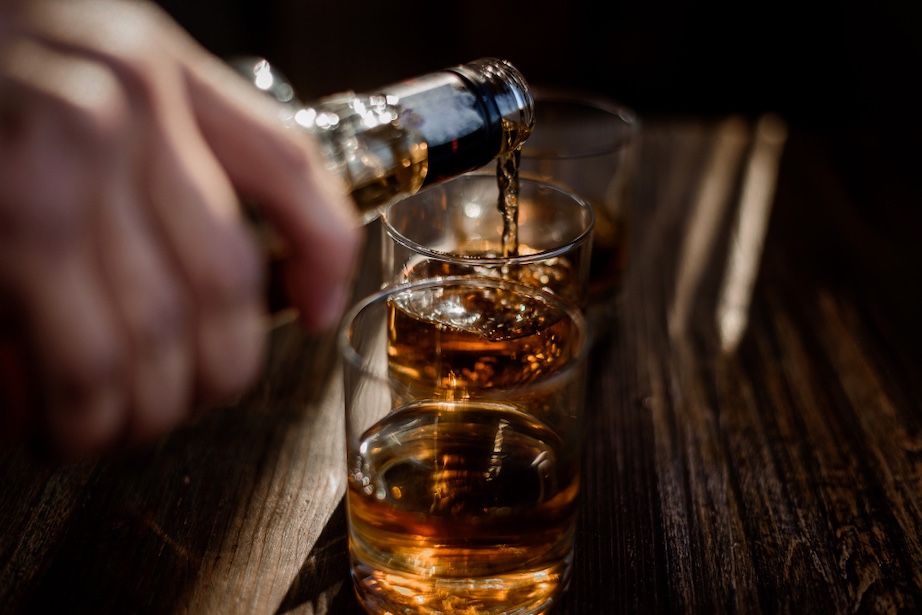
When distillers fill their freshly distilled spirit into oak barrels, they embark on a patient journey of transformation. During this maturation, the interaction between liquid and wood determines much of the resulting whisky’s character. The term aged whisky implies more than just years passing—it represents a profound exchange between spirit and oak. As seasons pass, the whisky expands and contracts within the wood, extracting color, texture, and a symphony of flavors that would otherwise remain dormant.
Toasting and Charring: The Hidden Craft
Before casks are filled, they often undergo toasting or charring. These seemingly minor processes play a pivotal role. Toasting gently heats the oak, coaxing sugars and compounds toward the surface. Charring, on the other hand, involves igniting the inner barrel, creating a layer of charcoal that acts as a natural filter while also intensifying caramelized notes. Both techniques help release complex flavors—spices, vanillas, and smoky elements—that gradually infuse the whisky during aging.
American Oak vs. European Oak
Different species of oak contribute distinct qualities to the final spirit. American white oak (Quercus alba) tends to impart sweet, creamy characteristics—think vanilla, coconut, and honey. It is also more porous, allowing quicker flavor extraction. European oak (Quercus robur or Quercus petraea), harvested primarily in Spain and France, yields a spicier, richer profile. Expect flavors of dried fruits, bitter chocolate, and tannins that bring structure and complexity.
The Impact of Previous Contents: Cask Finishes
While the type of oak matters, so does what the barrel previously held. Many distilleries experiment with cask finishes, using barrels that once contained sherry, port, wine, rum, or even beer. These finishing periods add layers of flavor that can dramatically shift the whisky’s identity. Sherry casks often lend notes of raisins and nuts, while port pipes can introduce dark berries and a subtle sweetness. Rum casks might contribute tropical fruits and a touch of molasses. Each finish enhances and elevates, resulting in unique, often unexpected flavor profiles.
Sherry-Seasoned Casks
Among the most prized finishing methods involves Oloroso or Pedro Ximénez sherry casks. The residual wine absorbed into the oak interacts with the spirit, lending richness and deep fruit flavors. This method is particularly favored in regions like Speyside, where elegant, full-bodied whiskies are the norm.
Environmental Factors at Play
Maturation doesn’t occur in a vacuum. Climate, warehouse location, and even altitude can influence how whisky matures within its oak home. Warmer climates accelerate the aging process, encouraging rapid interaction between spirit and wood. Cooler, damp environments allow for slower, more gradual development. The balance between these factors determines whether a whisky matures gracefully or gains a more robust, aggressive flavor.
A Symphony Conducted by Time and Wood
Ultimately, the role of oak in aging single malt whisky is both scientific and artistic. The careful selection of wood type, previous cask contents, and environmental conditions results in a diverse landscape of flavors. No two barrels yield identical results, which is why even whiskies of the same age can offer vastly different experiences.
The Craft Behind Every Sip
Every dram of single malt aged whisky carries the signature of its cask. The oak’s role extends far beyond containment; it breathes life into the spirit, shaping its color, aroma, and flavor with each passing season. To appreciate a fine whisky is to acknowledge the invisible craftsmanship hidden within the grain of every barrel.
Image by freepic.diller on Freepik
Contributed posts are advertisements written by third parties who have paid Woman Around Town for publication.