

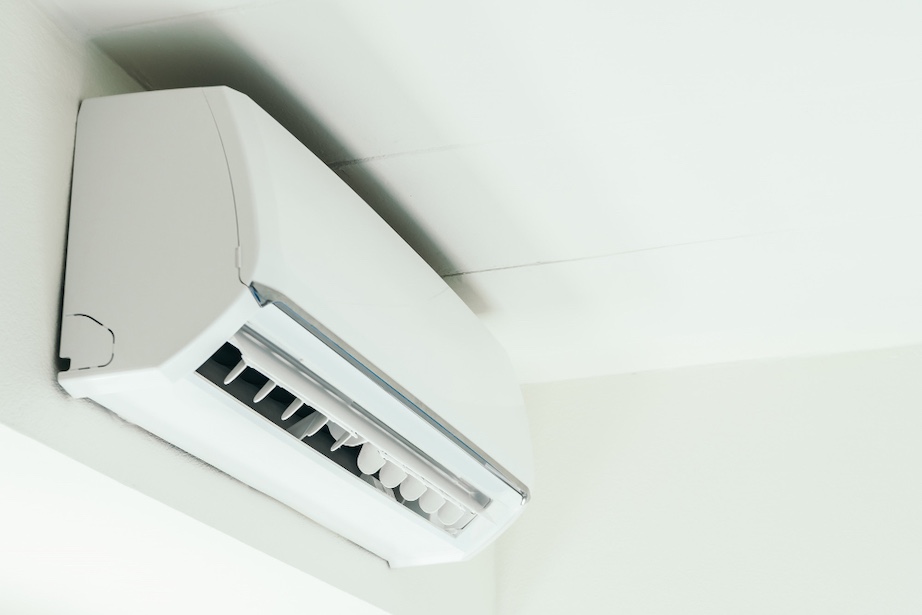
As the world becomes more conscious of our impact on the environment, sustainable living has become a crucial topic of discussion. From recycling and reducing waste to using renewable energy, individuals and communities are taking steps towards a more eco-friendly lifestyle. However, one aspect that often goes overlooked is the role of HVAC systems in achieving sustainability.
In this post, we will explore the various ways in which HVAC systems impact sustainability. Read on.
How HVAC Systems Affect the Environment
HVAC systems use a lot of electricity-almost 40% of the energy used in buildings around the world. This large energy use means more greenhouse gas emissions, which add to global warming. Older HVAC systems are especially wasteful. That’s why upgrading to modern, energy-saving systems is so important.
Energy-Saving Features in Modern Systems
New HVAC systems are built to save energy. They use smart thermostats, energy-efficient motors, and better refrigerants. For example:
Smart thermostats learn your daily habits and adjust the temperature automatically. Variable-speed motors use just the right amount of power, depending on the weather or time of day. These features help you stay comfortable while using less energy and saving money on your bills.
Why Upgrading Your HVAC System Matters
Upgrading your HVAC system isn’t just about comfort- it’s a long-term investment in sustainability. Older systems often run less efficiently, even if they still work. Replacing them with newer, energy-efficient models can:
· Cut your energy use by 20-40%
· Lower monthly utility bills
· Reduce your carbon footprint
New systems may also qualify for rebates, tax incentives, or green building credits, making the upgrade more affordable.
Better Air Quality, Healthier Homes
A good HVAC system doesn’t just heat or cool your home- it also helps clean the air. Modern systems have strong filters that catch dust, allergens, and even viruses.
They also control humidity and keep fresh air flowing. With regular HVAC tune-ups, this ensures cleaner air and a healthier place to live, without needing extra machines like air purifiers.
Using Renewable Energy with HVAC
Some HVAC systems now run on renewable energy sources like solar or geothermal power. These systems are more eco-friendly because they don’t rely on fossil fuels. For example, a solar-powered air conditioner can cool your home using energy from the sun, while a geothermal system uses the natural heat from the ground.
The Importance of Regular Maintenance
Keeping your HVAC system clean and in good shape makes a big difference. Well-maintained systems work better and last longer. Partnering with a reliable AC service Houston provider ensures fewer breakdowns, less waste, and lower energy use.
It’s also important to choose systems with eco-friendly refrigerants and recyclable parts to reduce environmental impact. To help in maintenance, make sure to consult HVAC, Plumbing and Electrical Services.
HVAC and Green Building Standards
If you’re building or remodeling a home, choosing an energy-efficient HVAC system can help you meet green building standards like LEED (Leadership in Energy and Environmental Design). These certifications show that a building is environmentally friendly-and HVAC systems play a big role in that.
Making Smart Choices for the Future
HVAC systems are no longer just about comfort- they’re a big part of how we care for the planet. Choosing energy-efficient models, using renewable energy, and keeping systems well-maintained can help reduce pollution and save energy. By making smart choices, we can all live more sustainably and protect the environment for future generations.
Contributed posts are advertisements written by third parties who have paid Woman Around Town for publication.
Photo designed by Freepik