
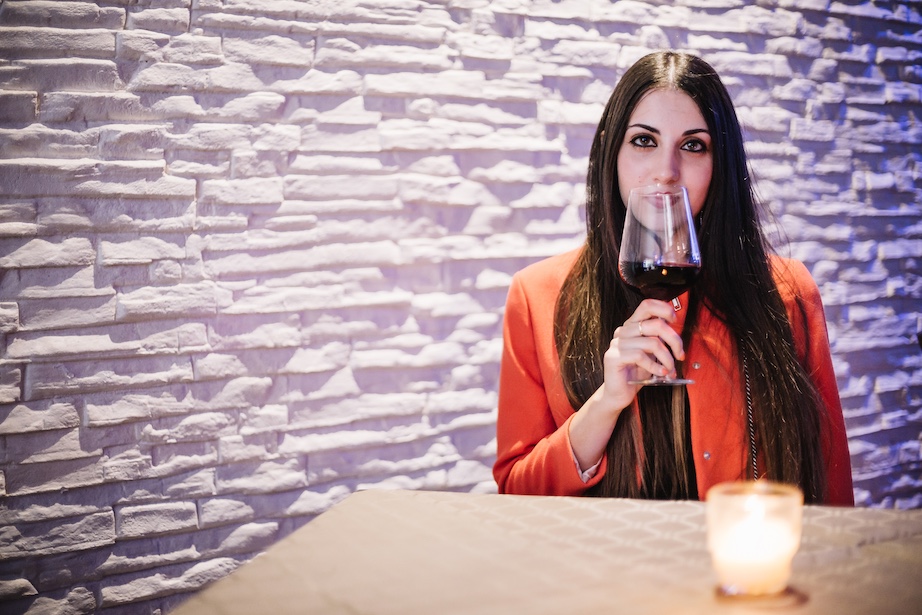
It’s easy to forget when the wine glass became an accessory. Somewhere between the sitcom mom jokes, the rose all day slogans, and the Instagram posts celebrating nightly pours, drinking shifted from a quiet personal choice to a pop-culture identity. For many women, that glass of wine became shorthand for sophistication, rebellion, or simply survival. But behind the humor and hashtags, a quieter shift has begun. Women are starting to look past the marketing and ask harder questions about what all that normalization really cost them.
The Culture of Escape Disguised as Empowerment
For years, the narrative sold to women was that a little indulgence was empowerment. After all, who could argue that you deserve it after a day spent juggling work, kids, and expectations that never quit? The problem is that the message hit deeper than it appeared. Drinking became an easy script for unwinding, one that didn’t require vulnerability or change, just another pour. What looked like self-care often doubled as self-silencing, a way to drown out exhaustion or emotional overload rather than address it.
In the glossy glow of advertising and media, the line between empowerment and escapism blurred. The wine industry caught on, wrapping female-targeted branding in pastel hues and slogans about balance, sisterhood, and strength. The irony wasn’t lost on the women now leading the charge toward more honest conversations about alcohol, health, and identity.
Unlearning the Social Cue
Social settings added another layer. Saying no to a drink often required more explanation than saying yes. Parties, book clubs, baby showers, alcohol became a default, not a decision. For women in particular, the ritual carried emotional weight. It was connection, confidence, and permission all at once. But as more women began quietly questioning their habits, it became clear that the culture around drinking wasn’t just about taste, it was about belonging.
Now, the language around alcohol is shifting. Women are replacing I need a drink with I need a break. That difference might sound small, but it marks a powerful cultural pivot. It signals that women are choosing presence over performance. They’re admitting that the glass of wine never really solved the exhaustion, it only delayed the reckoning.
New Conversations, New Care
What’s emerging from this shift is a completely new wave of recovery, one that feels less punitive and more personal. It’s not about shame or labels but about curiosity and choice. Women are exploring therapy, mindfulness, and other modern addiction treatments that meet them where they are, not where society expects them to be. These approaches recognize that emotional burnout, anxiety, and trauma are often tangled up in substance use, and that addressing one means understanding the others.
There’s also a growing movement toward gray area drinking, a term that acknowledges the space between casual use and dependency. This framework helps women examine their relationship with alcohol without fear or stigma. It’s not about declaring rock bottom, but about noticing patterns and deciding whether they serve the person they want to become.
The Rise of Intentional Sobriety
Sobriety isn’t what it used to be, and that’s part of why more women are embracing it. Gone are the days when quitting drinking meant social exile or endless awkward explanations. Today, sober living is as much about clarity as it is about health. It’s showing up to dinner without anxiety about keeping pace, waking up on Sunday without regret, and remembering conversations instead of piecing them together.
This new mindset has sparked an entire microculture, one filled with alcohol-free events, sober social clubs, and a booming industry of mocktails and adaptogenic drinks. The tone has changed too. It’s less about deprivation and more about liberation. For many women, saying no to alcohol has become an act of self-respect rather than restriction.
Finding Balance on Their Own Terms
Still, recovery and reflection aren’t one-size-fits-all. Maybe you’re searching for the best addiction treatment center in Wisconsin, a 12-step in Virginia or maybe you just want virtual IOP from the comfort of your home. What matters is that women are finally being given options that honor their individuality. Whether it’s a structured program, therapy, or simply redefining what socializing looks like, there’s room for every version of healing.
The conversation is no longer about whether women can handle drinking, it’s about whether they ever needed to prove that in the first place. By pulling back the curtain on the glossy marketing and confronting the exhaustion it concealed, women are finding power in awareness, not intoxication. The glass of wine may still sit on the table, but it’s no longer the centerpiece.
A New Kind of Strength
Maybe the most striking part of this shift is how unglamorous it really is. The decision to drink less, or not at all, rarely comes with applause. It’s a quiet recalibration, often done alone, sometimes questioned by others. But it’s in that quiet that women are reclaiming something that can’t be sold back to them, the ability to trust their own bodies, moods, and choices.
Contributed posts are advertisements written by third parties who have paid Woman Around Town for publication.