

Introduction
Defining M-Cap Wigs and Lace Wigs
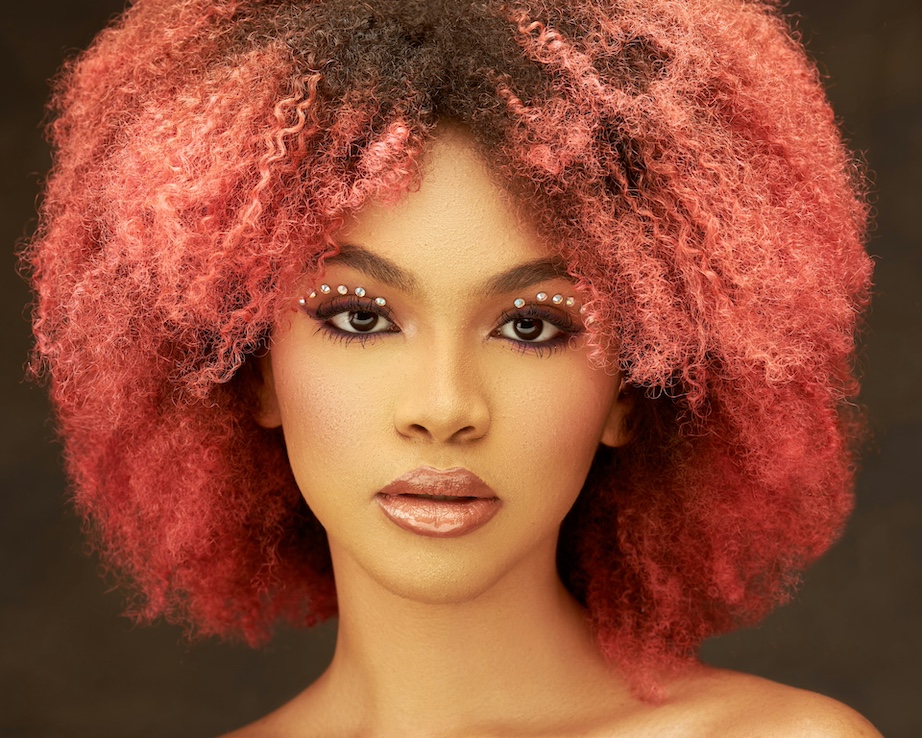
M-Cap wigs and lace wigs are two popular types of wigs that offer natural and stylish looks with different application methods and benefits. M-Cap wigs are known for their “wear and go” convenience and glueless application, making them ideal for those seeking an easy-to-use option. Lace wigs, on the other hand, are renowned for their realistic appearance and versatility, allowing for various styling options.
Relevance and Importance
Both M-Cap wigs and lace wigs have revolutionized the wig industry by providing versatile and natural-looking hair solutions. They are particularly significant for individuals experiencing hair loss, those looking for protective styles, and anyone desiring a change in hairstyle without permanent commitment.
Types and Categories
M-Cap Wigs
- Standard M-Cap Wigs: Easy to wear with an adjustable cap for a secure fit.
- Curly M-Cap Wigs: Featuring natural curls for a voluminous look.
- Straight M-Cap Wigs: Sleek and smooth for a sophisticated style.
Lace Wigs
- Lace Front Wigs: Cover the front hairline from ear to ear.
- Full Lace Wigs: Made entirely of lace, allowing for versatile styling.
- 360 Lace Wigs: Lace around the perimeter for updos and ponytails.
Symptoms and Signs
Common Indicators for Choosing Wigs
- Hair Loss: Due to medical conditions like alopecia or chemotherapy.
- Thinning Hair: From genetics or age.
- Desire for Versatility: For those who want to switch up their hairstyles without damaging their natural hair.
Uncommon Indicators
- Scalp Sensitivity: Some may prefer wigs to avoid chemical treatments.
- Aesthetic Preferences: Actors and performers often use wigs for role requirements.
Causes and Risk Factors
Biological Factors
- Genetics: Hereditary hair loss conditions.
- Hormonal Changes: Pregnancy, menopause, and other hormonal imbalances.
Environmental Factors
- Pollution: Can lead to hair damage and loss.
- Sun Exposure: Prolonged exposure can weaken hair structure.
Lifestyle Factors
- Diet: Poor nutrition can affect hair health.
- Stress: High stress levels are linked to hair loss.
Diagnosis and Tests
Medical Evaluation
- Dermatologist Consultation: Essential for diagnosing the cause of hair loss.
- Blood Tests: To check for underlying conditions like thyroid issues.
Hair Analysis
- Trichoscopy: A non-invasive method to examine the scalp and hair follicles.
- Biopsy: In some cases, a scalp biopsy might be required.
Treatment Options
Medical Treatments
- Medications: Minoxidil and finasteride for hair growth.
- Hair Transplants: Surgical option for permanent results.
Therapies
- Laser Therapy: For stimulating hair follicles.
- Scalp Micropigmentation: For creating the illusion of fuller hair.
Lifestyle Adjustments
- Balanced Diet: Rich in vitamins and minerals.
- Stress Management: Techniques like yoga and meditation.
Preventive Measures
Tips and Strategies
- Gentle Hair Care: Using mild shampoos and conditioners.
- Avoiding Heat Styling: To prevent hair damage.
- Protective Hairstyles: Such as braids or updos.
Personal Stories or Case Studies
Real-Life Implications
- Case Study 1: A young woman with alopecia regains confidence with a lace front wig.
- Case Study 2: An actor uses M-Cap wigs for quick changes between roles effortlessly.
Expert Insights
Quotes and Advice
- Dr. Jane Smith, Dermatologist: “Lace wigs can be a fantastic option for those experiencing hair loss, offering both aesthetic and psychological benefits.”
- Hair Stylist John Doe: “The ease of use and natural look of M-Cap wigs make them a top choice for many clients.”
Conclusion
Summary of Key Points
M-Cap wigs and lace wigs provide excellent solutions for those looking to enhance their appearance with natural-looking hair options. M-Cap wigs offer convenience and ease of use, while lace wigs provide versatility and a realistic appearance.
Call to Action
For those interested in exploring these wigs, consider visiting reputable sources like CurlyMe to find the perfect wig for your needs. Embrace the opportunity to transform your look and boost your confidence with these innovative hair solutions.
FAQ
What are the main differences between M-Cap wigs and lace wigs?
M-Cap wigs are designed for easy “wear and go” application without the need for glue, while lace wigs offer a more natural hairline and versatile styling options.
How do I choose the right wig for me?
Consider factors such as the type of wig (M-Cap or lace), the style you desire, and the reason for wearing a wig (e.g., hair loss, fashion).
Can I style my wig like natural hair?
Yes, most wigs, especially those made from human hair, can be styled using heat tools and products just like natural hair.
How long do wigs typically last?
With proper care, M-Cap wigs and lace wigs can last from six months to over a year.
Are these wigs comfortable to wear?
Both M-Cap and lace wigs are designed to be lightweight and breathable, making them comfortable for extended wear.
Contributed posts are advertisements written by third parties who have paid Woman Around Town for publication.