The vagus nerve plays a key role in calming the body and sharpening focus. It connects the brain to many organs and helps regulate functions such as heart rate, digestion, and the stress response. By learning simple ways to stimulate this nerve, anyone can support a more relaxed state and improve mental clarity.
Small daily habits can make a noticeable difference in how the body handles stress. Breathing techniques, gentle physical practices, and vocal exercises all provide natural ways to activate this calming pathway. This article examines practical methods that are easy to use and can be incorporated into everyday life.
Diaphragmatic Breathing to activate the relaxation response
Diaphragmatic breathing encourages the body to utilize the diaphragm more fully, allowing air to move deeper into the lungs. This action sends signals through the vagus nerve that support a calmer state and reduce the stress response.
By slowing the breath and focusing on steady inhales and exhales, the body shifts toward the parasympathetic nervous system. This shift helps lower heart rate and creates a sense of balance that supports focus and relaxation.
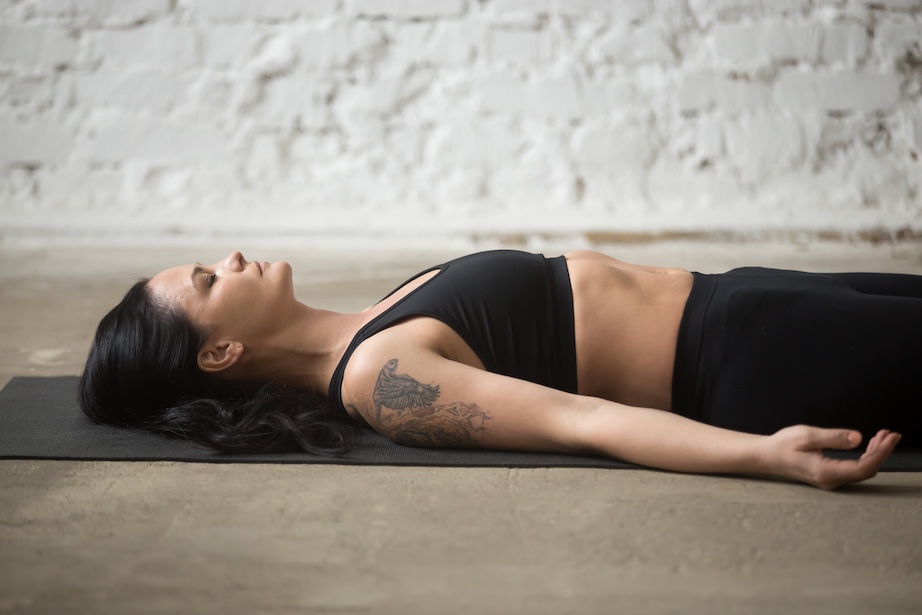
Many people find diaphragmatic breathing easier than other vagus nerve exercises because it requires no equipment and can be practiced anywhere. For example, sitting upright or lying down with one hand on the chest and one on the stomach helps guide the breath more effectively.
Regular practice can improve awareness of breathing patterns and facilitate a quicker return to a calmer state after stress. Therefore, diaphragmatic breathing offers a simple and practical way to activate the relaxation response.
Cold Exposure on the face or neck to stimulate the vagus nerve
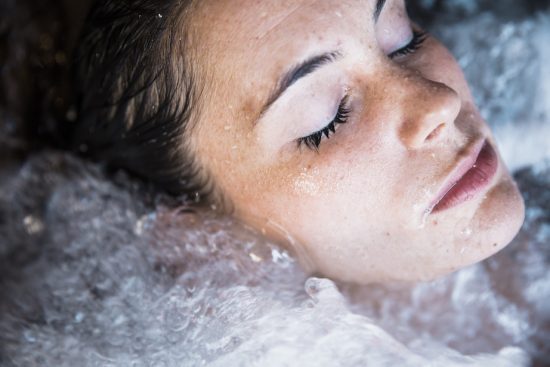
Cold exposure on the face or neck can activate the vagus nerve and signal the body to shift into a calmer state. Research shows that brief contact with cold water or ice can slow heart rate and support relaxation. This effect connects to the parasympathetic system, which helps regulate stress.
A simple method involves splashing cold water on the face for a few seconds. Some people also place a cool pack against the side of the neck. These short practices can create a quick reset for the nervous system without requiring special equipment.
Cold showers or brief immersion of the face in cool water may also produce similar effects. However, the exposure does not need to last long to be effective. Even a short burst of cold can provide the stimulus needed to engage the vagus nerve.
This approach works best as a gentle practice rather than a long or intense challenge. People can adjust the temperature and duration to match their comfort level.
Gentle Neck Massage focusing on the carotid sinus area
The carotid sinus sits on the side of the neck, just below the jawline. This spot is sensitive because it helps regulate blood pressure through nerve signals. A gentle approach is important to avoid unwanted effects.
Light touch along the side of the neck, away from the center, can help relax nearby muscles. People often use slow, circular motions with only mild pressure. This method aims to calm tension without pressing too deeply.
Some individuals report a sense of relaxation after this practice. However, results differ, and the effect may come more from muscle release than direct nerve action. Care should be taken not to press firmly on the artery itself.
Anyone interested in this technique should move slowly and pay attention to comfort. If discomfort or dizziness occurs, the massage should stop immediately. This simple practice may support a calming routine when used with care.
Humming or chanting to engage the vocal cords and vagal tone
Humming or chanting creates gentle vibrations in the vocal cords and throat. These vibrations travel through areas connected to the vagus nerve, which may help activate the body’s natural relaxation response.
This practice also encourages slower, longer exhalations. Longer breaths signal the parasympathetic system to shift the body into a calmer state. As a result, people often notice a sense of ease after only a few minutes.
Simple sounds such as “om” or even a steady hum can be effective. The act requires no special skill, so it can be practiced anywhere without equipment.
Research shows that vocal sound exercises may improve heart rate variability, a marker linked with vagal tone. Higher variability is often associated with better stress regulation and focus.
Therefore, adding a short humming or chanting practice to a daily routine can support both relaxation and concentration in a natural and accessible way.
Slow, Deep Exhalation to improve parasympathetic activity
Slow, steady breathing with a longer exhale than inhale helps the body shift into a calmer state. This pattern signals the vagus nerve, which plays a role in activating the parasympathetic system. As a result, the heart rate may slow, and the body can feel more at ease.
A simple way to try this is to inhale gently through the nose for about four seconds, then exhale through the mouth for six to eight seconds. The key is to keep the breath smooth and unforced. Even a few minutes of practice can make a difference.
Research shows that extending the exhale supports balance in the nervous system. It can reduce tension and improve focus by lowering stress responses. Therefore, this exercise works well before bed, during breaks, or in moments of anxiety.
Consistency matters more than length. Practicing short sessions daily helps the body respond more quickly over time. This makes the technique practical and accessible for nearly anyone.
Conclusion
Simple vagus nerve exercises give people practical ways to calm the body and steady the mind. Techniques such as deep breathing, gentle humming, or short periods of cold exposure can help the nervous system return to balance.
These methods do not require special tools and can fit easily into daily routines. As a result, they offer a straightforward approach to support focus and relaxation without adding extra complexity.
By practicing consistently, individuals may notice gradual improvements in stress control, emotional balance, and overall well-being.
This article is for informational purposes only and is not medical advice. Always check with a healthcare professional before using vagus nerve devices, as results and safety can vary.