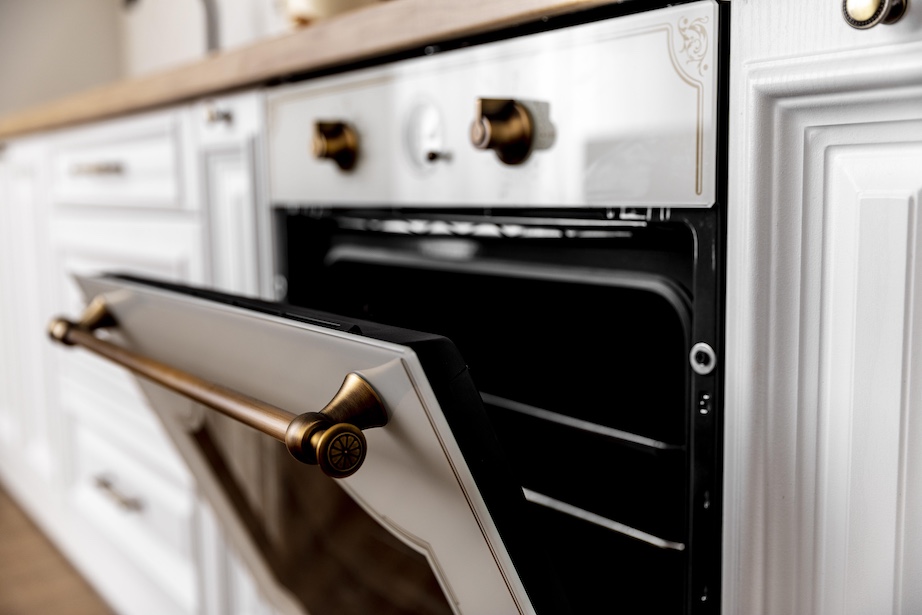
Kitchen appliances are essential for everyday cooking and convenience. When something stops working, the disruption can be frustrating and costly. Issues like ovens not heating properly or burners failing to ignite are common, but many of these problems have practical solutions that don’t require a call to a technician.
With a few tools and a basic understanding of appliance components, many faults can be resolved safely at home. Keep reading as this article outlines clear, step-by-step advice to help restore function to your range and stovetop.
When Your Range Oven Won’t Heat Correctly
Improper oven heating is one of the most frequent appliance issues. Food may take longer to cook, bake unevenly, or the oven may fail to reach the set temperature. For electric ovens, worn heating elements are often to blame. Look for visible damage such as cracks or discolouration.
Gas ovens operate differently. If the igniter glows but doesn’t ignite the gas, or shows no glow at all, the issue may lie within the ignition system. Always check the circuit breaker or fuse before replacing parts, as a power interruption could be the cause.
Thermostats and temperature sensors are responsible for regulating the heat. If your oven struggles to preheat or maintains inconsistent temperatures, these components could be faulty. Identifying the correct part to replace is vital.
For those using GE ovens, compatible replacement parts are widely available. Browse a trusted source like GE range oven parts at McCombs Supply to find matching components for your specific model.
If you detect a burning smell, see sparks, or cannot resolve the problem through basic checks, stop and seek professional help.
Testing Heating Elements in Electric and Gas Ovens
Once you’ve identified that heating performance has dropped, testing the element or igniter can confirm the cause. Electric ovens should be disconnected from power before inspection. Visible signs like blistering or separation indicate damage.
If there is no obvious wear, use a multimeter. Disconnect the element, set the multimeter to ohms, and check the resistance. An infinite reading points to a break in the circuit, meaning the element needs replacement. A very low reading might suggest a short.
Gas ovens rely on igniters. During startup, the igniter should glow and ignite gas within 90 seconds. A glow without ignition suggests the igniter is too weak. No glow at all could indicate a power issue. Replace the igniter if it fails to perform. Some models also include a safety valve that opens only when the igniter reaches a specific temperature.
Choosing the right part depends on your oven model. Using incorrect components can result in further malfunctions or reduced efficiency.
Common Burner Problems and Easy Fixes
Stovetop issues often involve burners that won’t heat evenly or at all. Electric burners may have faulty elements, connectors or switches. Try swapping the burner with another of the same size. If the replacement works, the issue lies with the original burner. If the fault stays in the same position, the receptacle or switch may be the problem.
Gas burners sometimes produce weak flames or fail to ignite. This is usually due to blocked ports or ignition system faults. Cleaning the burner heads and ports with warm, soapy water can often resolve this. Use non-metal tools to avoid damage.
Clicking without ignition indicates a potential electrical fault with the switch or ignition module. Resetting the appliance by unplugging it for a minute may resolve temporary glitches.
Gas odours during troubleshooting are a serious concern. Shut off the gas supply immediately, open windows, and contact a qualified technician. Safety should always take priority.
Effective Cleaning Techniques for Burners
Cleaning burners regularly prevents many of the issues mentioned above. Electric coil burners should only be wiped when cool, using a damp cloth. Avoid submerging them in water or using abrasive materials.
Gas burner heads and caps can be removed and soaked. Use a soft brush or wooden tool to remove debris. Avoid using metal implements that might damage the ports.
Glass cooktops need non-scratch cleaners and purpose-made scrapers. Always let the surface cool before cleaning. A dedicated scraper can help remove burnt-on residue without damaging the surface.
Build-up of grease and food residue affects performance. A routine cleaning schedule should include daily wipe-downs, weekly surface cleaning and monthly deep cleans of removable parts. This ensures continued performance and reduces long-term wear. Keeping the appliance dry also helps prevent corrosion and extends its usable life.
Addressing Oven Door Issues
An oven door that doesn’t close properly allows heat to escape, affecting cooking results and wasting energy. Check for alignment issues by looking for gaps when the door is shut. Bent hinges or worn springs are common causes.
Door gaskets maintain the seal between the oven and its frame. Tears or hardening of the rubber can lead to leaks. Replace gaskets that appear damaged or do not create a secure seal.
Some ovens have a self-cleaning latch that can become stuck after a cycle. Refer to your model’s manual for emergency release instructions. Persistent problems suggest the latch mechanism may need replacement.
Inspect hinges and springs regularly, applying high-temperature lubricant where needed to keep movement smooth. Always use model-specific parts when replacing components to ensure a proper fit and continued efficiency.
Dealing with Control Panel and Display Issues
Electronic control panels and displays are now standard in many ovens. Unresponsive buttons, error messages or erratic operation can result from moisture, power surges or worn components. Control boards are sensitive and must be handled with care.
First, disconnect the oven from power for at least 30 seconds. This often resolves temporary system errors. Avoid using harsh chemicals on control surfaces, as they can wear away protective coatings and cause damage. A damp cloth is usually sufficient for cleaning.
If physical buttons feel loose or do not respond, the contacts underneath may be worn. Replacing individual buttons or overlays can often fix this without replacing the whole panel. Use caution when removing the control housing to prevent cracking the display panel.
To avoid damage from electrical surges, especially during storms or in areas with unstable power, consider using a surge protector with your oven. This simple device can help protect the control board and extend the life of your appliance.
What to Do When You See Error Codes
Error codes help diagnose problems in electronic ovens. Each model has its own code list, usually included in the manual or available online. Codes often relate to the temperature sensor, door latch or internal communication faults.
Try resetting the appliance by unplugging it for a full minute. If the error disappears, it may have been temporary. Persistent codes usually require inspection of the part referenced.
Codes appearing during specific operations, such as self-cleaning, can indicate a fault in the components used during that function. Keep a record of recurring error codes to assist with diagnosis.
When searching for help online, include your oven’s model number to find accurate advice. Forums and manufacturer websites often provide useful information based on real user experiences.
Final Thoughts on Maintaining Kitchen Appliances
Fixing kitchen appliance issues can often be handled without expert help. Common faults like heating issues, faulty burners, and control panel errors usually have straightforward solutions when approached methodically.
Always disconnect power or gas before inspecting components. Follow safe practices and use quality replacement parts that match your specific appliance model.
Routine maintenance, like cleaning burners and checking seals, helps extend the lifespan of your oven and stove. Keeping your appliance in good condition means fewer interruptions, better energy efficiency and more consistent cooking results.
Contributed posts are advertisements written by third parties who have paid Woman Around Town for publication.