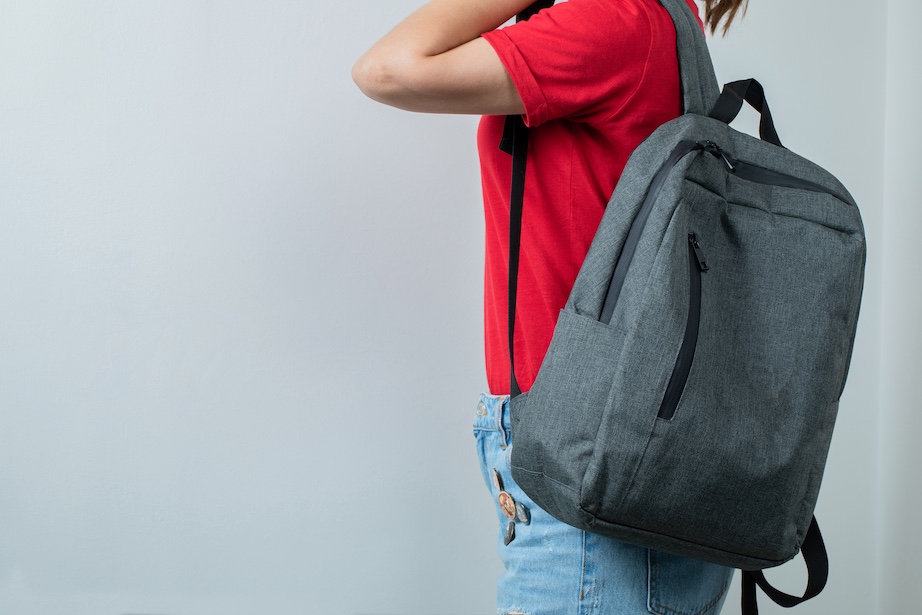
Customers seek backpacks offering both convenience and longevity, together with functional characteristics that symbolize their personal beliefs. Companies benefit from backpacks as these products serve as mobile advertisements, which enable them to combine design with purposeful branding elements.
The following article focuses on backpack design methods that achieve ideal comfort and the best possible brand exposure
Understanding the Ergonomics of Comfort in Backpack Design
To achieve comfort, first identify the fundamental principles of human body structures. The design of ideal custom backpacks with a logo achieves weight distribution through a symmetric system, which maintains constant pressure on the back and shoulders to avoid damaging issues.
Key ergonomic features include:
- Additional padding on shoulder straps helps to avoid shoulder discomfort, together with fatigue.
- A backpack features contours in its back section to help maintain spine support as well as to improve posture.
- Adjustable sternum and waist straps for customized weight distribution.
- The ventilation in backpack back panels utilizing breathable mesh material makes airflow possible.
Regular use of backpacks depends on the wearer’s comfort, so brands gain additional exposure because of it.
Choosing Materials That Enhance Comfort and Durability
Material choice determines both product comfort and durability performance. Shopping for materials requires searching for heavy yet lightweight fabrics and durable functional elements.
Recommended materials and features for a custom backpack:
- Ripstop nylon or Cordura for lightweight strength and abrasion resistance.
- Shoulder support, together with back support, comes from high-density foam padding.
- Los Angeles Coatings, which provides weather protection, is an important part of the product.
- Zippers with weatherproof coating serve to protect both security and product life span.
- The market offers sustainable products that combine organic cotton with recycled plastics for environmentally aware customers.
The brand identity of textile products depends on material selections because texture, along with finishes, creates the product’s visual expression.
Maximizing Brand Visibility Without Sacrificing Style
85% of consumers prefer a brand with an honest and authentic personality. A backpack design deserves branding elements that simultaneously display excellence in execution and aesthetic quality. Subtle branding proves itself more appealing because it creates a stronger impression.
Smart branding tactics for name-brand backpacks include:
- Using branding through embossed and embroidered logos increases the product’s premium quality.
- The brand appears subtly through special custom zipper pulls that enhance the hardware design.
- The interior compartments of the backpack include brand elements that create moments of surprise for users.
- For your design, you should use branding colors that match your brand identity without taking over the overall look.
- Reflective elements for both safety and visibility at night.
The chosen design methods enable your backpack to serve as a representation of your fashion image and a promotional tool.
Adding Functional Features That Complement Branding
The user receives additional value through functional features, which simultaneously improve your brand narrative. The target market lifestyle should determine which features you design and implement.
Popular functional additions include:
- Laptop compartments with padded sleeves.
- External water bottle holders for easy access.
- There are built-in USB charging ports meant to serve tech-oriented backpack owners.
- RFID-blocking pockets for secure travel.
- Modular attachments like gear loops or removable pouches.
Verify that the newly added features increase comfort, balance, and aesthetic qualities of the backpack instead of diminishing them.
Testing and Refining Your Backpack Design
The testing procedure evaluates your design under both active and passive conditions and confirms its adequacy to user needs. This element connects theoretical elements to a practical commercial final product.
Steps for effective testing:
- This testing process incorporates digital as well as physical prototypes for model creation.
- User testing with your target audience for practical feedback.
- The assessment of user comfort and system usability, and device appearance uses surveys and interviews.
- Testing involves the implementation of continual upgrades that result from observing real-world situations.
The performance and user satisfaction significantly improve when engineers apply minor adjustments to aspects such as zipper styles or strap lengths.
Crafting Backpacks That Users Love and Remember
A custom backpack that connects emotionally with users, such as those at Save Your Ink, develops into something that represents more than practical utility. Setting goals to customize the product makes it more significant to users.
Different methods exist that enhance user engagement with backpacks.
- Outline how you designed the backpack as well as its material elements.
- The product allows customization through varying designs like patches or monogram options and an assortment of color selections.
- The product should express major lifestyle principles such as eco-friendliness and modern technology advancement.
- Partner with artists, along with influencers, because their involvement creates a distinctive collectible quality.
A personalized backpack turns into a dedicated personal accessory when someone integrates it with their sense of identity because it functions as both a trustworthy companion and a persistent logo display.
In Summary
You can develop backpacks that are both functional and brand-message carriers through the process of analyzing who your audience is and how you can connect their needs to your brand identity. Every detail of your backpack holds its unique value, which starts from the stitching and ends with the story. The right approach enables name-brand backpacks to bring your brand to new heights while transporting its contents.
Photo designed by Freepik
Contributed posts are advertisements written by third parties who have paid Woman Around Town for publication.