You don’t need a reservation, a fancy kitchen, or a generous budget to enjoy restaurant-quality meals. The truth is, many beloved restaurant dishes are surprisingly simple to recreate at home—and for a fraction of what you’d pay for the dining experience. The gap between restaurant food and home cooking isn’t nearly as wide as you might think. It comes down to a few key techniques, quality ingredient choices, and the confidence to try.
The secret is understanding that restaurant magic isn’t about complicated recipes or rare ingredients. It’s about mastering simple techniques, using the right tools, and approaching familiar dishes with intentionality. With that mindset, your dining table can deliver the same satisfaction you’d find at a restaurant, minus the stress, the price tag, and the need to wait for a table.
Shift Your Expectations About Restaurant Food
The first step is realizing that restaurant dishes aren’t inherently more complicated than home cooking—they’re just executed with attention to detail. Many popular restaurant staples, from sushi to steak to salmon, are actually surprisingly easy and affordable to make at home. What makes them feel special has more to do with presentation, technique, and ingredient quality than complexity.
Start by identifying your favorite restaurant meals. Instead of thinking of them as “too advanced to attempt,” see them as inspiration. Steak, seafood, pasta, and international dishes are all accessible to home cooks willing to learn a few foundational techniques. The key is choosing dishes that align with your skill level and gradually building your confidence.
Master These Restaurant-Quality Techniques
Proper searing and temperature control
Restaurant-quality steaks and fish start with understanding heat. Learning to properly sear proteins in a hot pan with butter or oil creates that coveted restaurant crust. Using budget cuts like top sirloin or flat iron steak with proper pan-searing technique and garlic butter can deliver restaurant results without the restaurant price.
Simple seasoning done well
Restaurants often succeed by keeping flavors focused and balanced rather than complicated. Salt, pepper, quality butter, and fresh garlic can transform simple proteins into something extraordinary. This is far more effective than elaborate flavor combinations.
Presentation and plating
Part of the appeal of restaurant food is how it looks on the plate. Thoughtful plating with garnishes, height, balance, and color takes minimal effort but dramatically elevates the dining experience at home.
Ingredient quality over quantity
Use smaller portions of premium ingredients (quality seafood, better cuts of meat) rather than larger portions of mediocre ones. Stretching expensive proteins by mixing them into pasta or rice dishes is a restaurant strategy that works beautifully at home.
Easy Restaurant-Inspired Recipes to Get Started
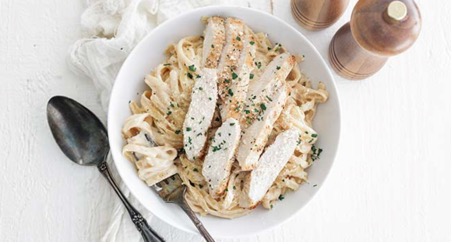
Source: Billy Parisi
Chicken Alfredo
This chicken alfredo recipe is perfect for when you want an indulgent pasta dinner. With the mix of heavy whipping cream and salty Parmigiano Reggiano cheese, you certainly won’t feel like you’re eating a boring weeknight meal. To make it extra special, make sure to buy high-quality chicken or use an elevated cooking technique like brining or sous vide for the meat.
Pan-Seared Steak with Garlic Butter
This restaurant favorite is one of the easiest to recreate. A properly seared steak finished with garlic butter is restaurant-quality and takes fewer than 20 minutes.
Crispy Beer-Battered Fish
A local restaurant classic that’s surprisingly simple to make at home. Serve with ranch dressing and hot sauce for a restaurant-style presentation.
Gourmet Grilled Meals
Restaurant-quality grilled results depend more on your tool and technique than your budget. Any grill at any price point, used with intention, can deliver impressive results.
Upscale Appetizers as Mains
Many restaurant appetizers like Brussels sprouts salads, olive oil cakes, or specialty vegetable dishes can become memorable main courses at home without requiring restaurant-level equipment.
Final Thoughts
Creating restaurant experiences at home isn’t about becoming a chef or spending hours in the kitchen. It’s about understanding that the restaurant magic you love often comes from simple techniques, quality ingredients, and thoughtful presentation—all things completely within reach of a home cook.
By choosing accessible recipes, mastering a few foundational techniques, and giving yourself permission to start somewhere, you’ll discover that your dining table can rival any restaurant experience. The best part? You get to stay in your pajamas, and your wallet stays full.
Photo by Gary Barnes on pexels.com
Contributed posts are advertisements written by third parties who have paid Woman Around Town for publication.