Your home should be a place of comfort, no matter the season. But if your roof isn’t well-maintained, extreme weather can turn your cozy retreat into a stressful situation. From the scorching heat of summer to the heavy snow of winter, your roof faces different challenges throughout the year. Ignoring maintenance can lead to costly repairs, reduced energy efficiency, and even health hazards. On the other hand, a well-kept roof improves insulation, prevents leaks, and keeps your indoor environment comfortable. Understanding how seasonal maintenance affects your home ensures that you’re always prepared, no matter what the weather brings.
1. The Role of Your Roof in Home Comfort
Your roof does more than just protect you from the elements. It plays a crucial role in temperature regulation, insulation, and even air quality. When in good condition, it helps keep cool air inside during the summer and traps warmth in winter. But if neglected, minor issues can escalate, causing drafts, moisture buildup, and higher energy bills. Proper maintenance ensures that roofing materials function efficiently, preventing unnecessary strain on your HVAC system. A well-maintained roof doesn’t just contribute to home comfort; it also helps extend the life of your home’s structure, reducing long-term repair costs.
2. How Seasonal Changes Impact Your Roof
Every season brings different challenges for your roof, from heat expansion to moisture accumulation. During summer, high temperatures can cause shingles to crack, while UV rays weaken roofing materials over time. Fall brings leaves and debris, which clog gutters and lead to water damage. Winter snow can cause ice dams, adding weight and increasing the risk of leaks. Spring rain tests your roof’s ability to drain properly, highlighting any weak spots. That’s why roofing experts like Mr. Roofing emphasize year-round inspections and maintenance to prevent seasonal wear and tear from turning into serious structural issues.
3. Summer Roof Care: Beating the Heat
The summer sun can be brutal on your roof. Prolonged exposure to high temperatures can cause materials to dry out and deteriorate, leading to cracks and leaks. Dark-colored roofs absorb more heat, making your home warmer and increasing cooling costs. Reflective coatings and proper ventilation can help reduce heat buildup, preventing structural damage. Checking for loose or damaged shingles at the beginning of summer ensures that small issues don’t become major problems. Clearing debris from gutters and inspecting attic insulation also play a role in keeping indoor temperatures stable, reducing the workload on your air conditioning system.
4. Fall Maintenance: Preparing for Cold Weather
Autumn is the perfect time to inspect your roof before winter arrives. Falling leaves and branches can block gutters, preventing proper drainage and leading to water damage. A clogged gutter system increases the risk of ice dams when temperatures drop. Loose shingles or minor leaks can worsen under the weight of snow, so addressing them in fall prevents costly repairs later. Trimming overhanging branches reduces the chances of damage from falling limbs during storms. Regular inspections, gutter cleaning, and timely roof repair Melbourne in the fall not only protect your roof but also help maintain a warm, energy-efficient home throughout the colder months.
5. Winter Protection: Preventing Ice and Snow Damage
Winter weather can take a serious toll on your roof. Snow accumulation adds significant weight, putting stress on the structure. Ice dams form when heat escapes via the roof, melting snow that is refreezing at the edges. These ice blockages prevent proper drainage, leading to leaks and water damage. To avoid these issues, proper insulation and ventilation are essential. Sealing gaps in your attic helps retain heat inside while preventing excessive melting. Safely removing excess snow and keeping gutters clear can also prevent long-term damage. A well-maintained roof keeps your home warm and prevents costly emergency repairs in winter.
6. Spring Inspection: Catching Problems Early
Spring is the season of renewal, making it the perfect time for a thorough roof inspection. The harsh conditions of winter may have left behind damage that isn’t immediately visible. Snow, ice, and strong winds can loosen shingles, create small cracks, or weaken flashing around chimneys and vents. Spring rain can expose these vulnerabilities, leading to leaks that affect your home’s interior. Checking for signs of moisture, mold, or sagging ensures small issues are caught before they escalate. Scheduling a professional inspection in spring helps identify weak spots early, allowing for timely repairs that prevent larger, more expensive problems.
7. The Impact of Roof Maintenance on Energy Efficiency
A well-maintained roof plays a key role in keeping your home energy-efficient. When your roof has leaks, damaged insulation, or poor ventilation, your heating and cooling systems must work harder to maintain a comfortable temperature. This leads to higher energy bills and unnecessary strain on your HVAC system. Proper roof insulation prevents heat loss in winter and keeps indoor spaces cooler in summer. Ensuring that vents are clear and functioning optimally also improves air circulation, reducing moisture buildup. Regular roof maintenance is one of the most effective ways to enhance your home’s energy efficiency while lowering utility costs.
8. Preventing Mold and Indoor Air Quality Issues
A neglected roof can lead to moisture problems, which in turn create an ideal environment for mold and mildew. When water seeps through cracks or leaks, it often goes unnoticed until it reaches ceilings or walls. Mold growth affects indoor air quality and can trigger respiratory problems, allergies, and other health concerns. Proper roof maintenance includes checking for water damage, ensuring gutters drain properly, and sealing any weak points that allow moisture intrusion. By keeping your roof in top shape, you not only protect your home’s structure but also ensure a healthier living environment for you and your family.
Your roof is your home’s first line of defense against the elements, and taking care of it throughout the year ensures a comfortable, energy-efficient living space. Each season presents different challenges, but with proper maintenance, you can prevent costly repairs, extend your roof’s lifespan, and improve your overall quality of life. Regular inspections, timely repairs, and proactive care help maintain your home’s insulation, air quality, and structural integrity. By staying ahead of potential issues, you guarantee year-round comfort while saving money in the long run. A well-maintained roof isn’t just about protection—it’s about peace of mind.
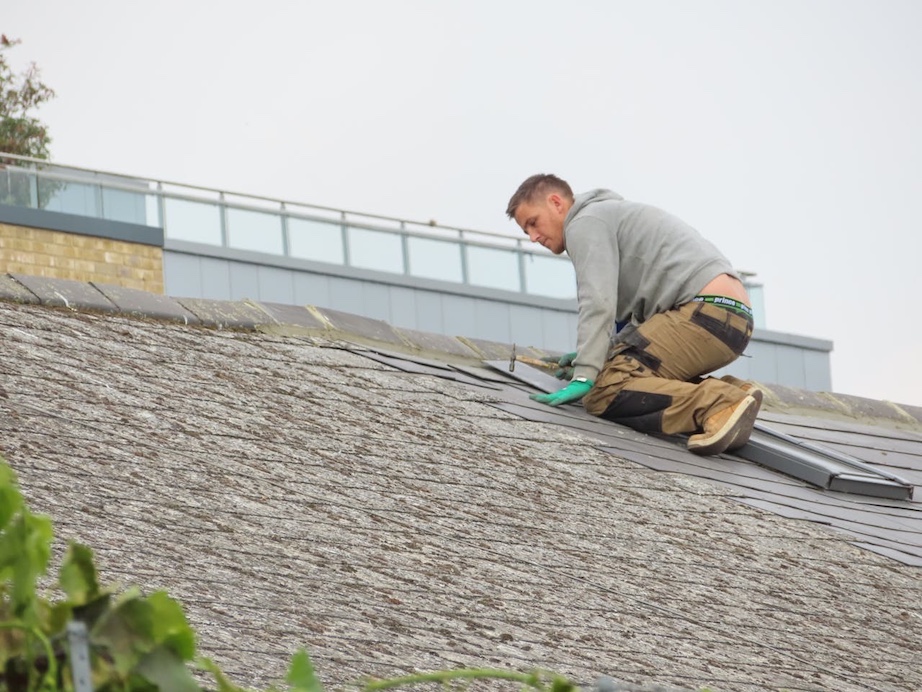
Photo by Keith on Pexels.com
Contributed posts are advertisements written by third parties who have paid Woman Around Town for publication.