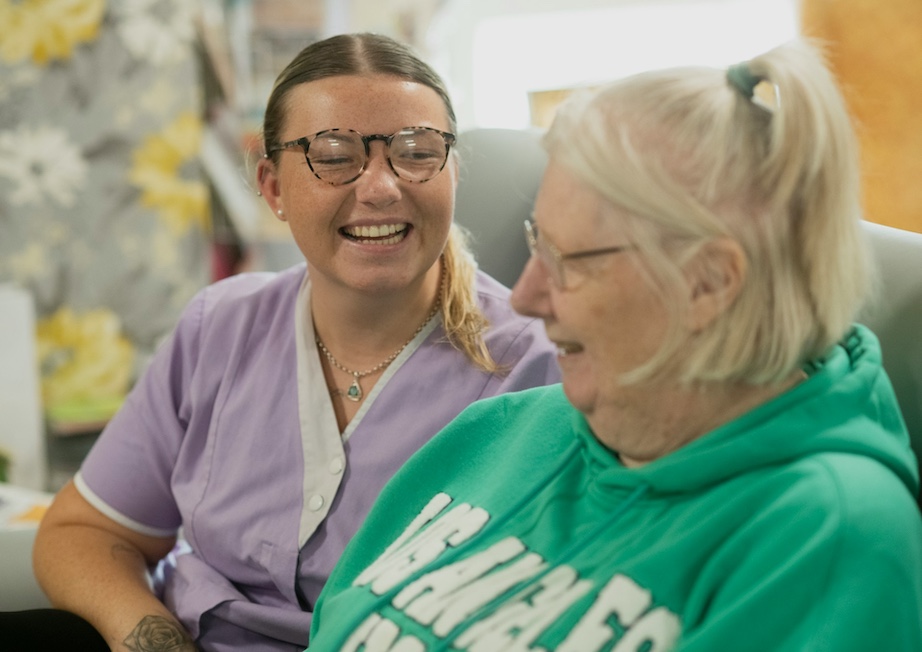
Growing older doesn’t mean wanting a completely different life. Most seniors still want the same kitchen, the same chair, and the same small habits that make the day feel steady. What changes is the need for a bit more support.
Families often worry that bringing in care will take away independence or make life feel controlled. But when care is built around the person instead of replacing their routine, it can actually do the opposite. It helps them stay safe while still living life on their own terms.
Here are five ways that happens in everyday life.
1. Daily Life Stays Familiar And Personal
One of the first things people notice is how little has to change. Meals still happen at the usual time. Favorite shows stay part of the evening. Even small habits, like how tea is made or when windows are opened, stay the same.
The familiarity that live in care brings can help reduce confusion, especially for seniors dealing with memory issues. In these setups, support is built around the person’s routine instead of replacing it. A caregiver doesn’t take over the day. They follow what already works and step in where help is needed.
Organizations like Live In Care often match caregivers based on the aging person’s personality and daily habits, which helps things run more smoothly from the start. When a caregiver already fits how someone prefers their day to go, there’s less back-and-forth, and routines don’t need to be adjusted. The day simply feels easier to settle into.
2. There’s Always Someone There To Prevent Small Risks
A lot of safety issues at home don’t come from big accidents. They come from small moments. A missed step on the stairs. Forgetting to turn off the stove. Feeling dizzy while getting up too quickly. When someone is around all day, those moments don’t turn into bigger problems.
A large body of research has shown that older adults in residential care homes are more likely to experience falls and severe injuries. On the other hand, people receiving live-in care or community-based care at home are less prone to such risks. That personalized presence changes things clearly.
Instead of reacting after something goes wrong, care becomes more about preventing it in the first place. And that makes a huge difference in how safe a home feels.
3. Independence Is Encouraged, Not Replaced
There’s a common fear that once care starts, everything gets taken over. But that’s rarely the goal. Seniors are still encouraged to do what they can. Making a simple meal. Tidying up. Going outside for fresh air. The caregiver steps in where things become tiring or unsafe, not where they are still manageable.
In practice, this shared approach helps people stay active for longer. And staying active supports both physical strength and confidence. It also helps protect a sense of control. The day still feels like theirs.
4. Emotional Support Becomes Part Of Everyday Life
Living alone can feel very quiet. And over time, that quiet can turn into loneliness. Studies have found that a large majority of older adults prefer care at home. One reason is simple. Home feels familiar. It feels safe.
Having one consistent caregiver adds more than just practical help. It adds conversation, shared moments, and a steady presence throughout the day. This doesn’t always show up in obvious ways. It might just be chatting during meals or checking in during the afternoon.
But over time, it helps seniors feel more settled and less isolated. And when someone feels better emotionally, it often reflects in their overall health too.
5. Care Can Adjust Without Forcing Big Life Changes
Needs don’t stay the same forever. Someone might need a little help now and more support later. The difference here is that care can grow with those needs without requiring a move. If mobility changes, support increases. If routines shift, the caregiver adapts. There’s no need to leave home or adjust to a completely new environment.
This flexibility is part of why fewer older adults are moving into care homes compared to the past, with only about 2.5 percent of people aged 65 and over living in care homes in recent data. Being able to stay in one place while care adjusts makes a big difference in how stable life feels.
Final Thoughts
Staying at home is about more than comfort. It’s about holding on to the life someone has built over time.
Live-in care supports that in a quiet but meaningful way. It adds safety without removing independence. It brings support without changing the rhythm of the day.
And for many seniors, that balance is what allows them to keep living life in a way that still feels like their own.
Photo by Age Cymru on Unsplash
Contributed posts are advertisements written by third parties who have paid Woman Around Town for publication.