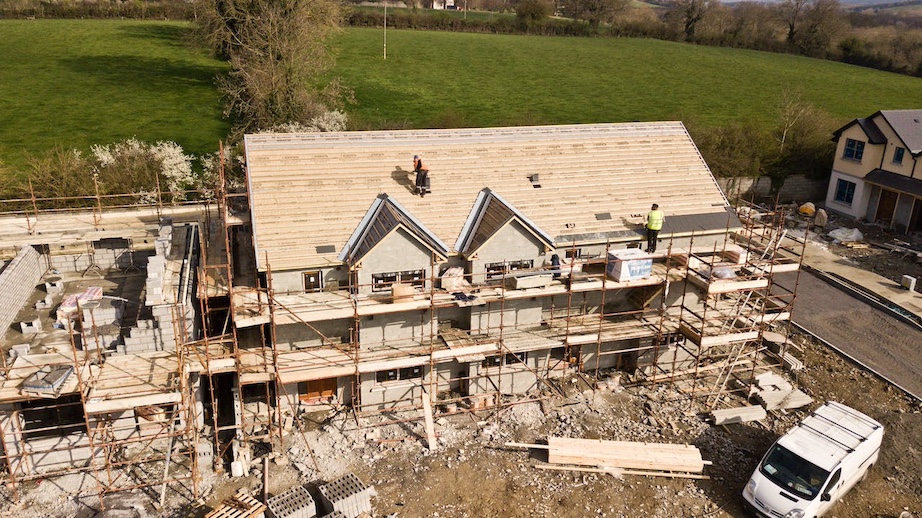
Building a new home is an exciting and rewarding endeavor that involves multiple phases, careful planning, and collaboration with various professionals. From the initial conception to the final touches, the journey of constructing a new home is a comprehensive process that demands attention to detail, financial planning, and effective project management. In this detailed guide, we will explore each stage of building a new home, providing insights into the key considerations and steps involved in bringing your dream home to life.
1) Stage 1: Pre-Construction
- Define Your Goals and Budget:
Defining your goals and budget is the foundational step in building a new home. Clearly articulate your vision, considering lifestyle, preferences, and future needs. Simultaneously, establish a realistic budget encompassing land acquisition, design, construction, and post-construction expenses. This strategic planning guides every subsequent decision, ensuring that design choices and construction align with financial parameters.
Balancing aspirations with financial constraints ensures a feasible and satisfying homebuilding journey. Regularly revisiting and adjusting goals and budgets throughout the process helps maintain a clear trajectory, minimizing stress, and maximizing the likelihood of achieving the envisioned dream home within the specified financial framework.
- Select a Suitable Location:
Selecting a suitable location for a new home is a pivotal decision that influences lifestyle, convenience, and long-term satisfaction. Consider factors like proximity to work, schools, and amenities. Assess the neighborhood’s safety, accessibility, and future development plans. Research local zoning regulations and building codes.
Examine the topography and soil conditions to ensure they align with your construction plans. Environmental factors such as sunlight exposure and natural surroundings also contribute to a desirable living environment. A well-chosen location enhances not only the quality of daily life but also the long-term value and enjoyment of your new home.
- Acquire Land:
Acquiring land is a pivotal step in building a new home. Contact an estate agent and carefully select a location based on factors like proximity to amenities, work, and schools. Conduct thorough due diligence, examining soil quality and environmental considerations. Verify zoning regulations and building codes. Negotiate the purchase with attention to legalities and future property values.
Assess the land’s topography to align with your architectural plans. The chosen parcel is not just a physical foundation but a cornerstone for your dream home. It sets the stage for a residence that complements your lifestyle and fulfills your vision, making the land acquisition phase a critical aspect of the homebuilding process.
- Hire a Design Professional:
Hiring a design professional when building a new home is crucial for turning your vision into a functional and aesthetically pleasing reality. Architects or design professionals possess the expertise to translate your ideas into detailed plans, considering spatial efficiency, structural integrity, and aesthetic appeal. They navigate complex building codes, zoning regulations, and environmental considerations, ensuring your project complies with legal requirements.
Collaborating with a design professional streamlines the creative process, allowing for innovative solutions and personalized touches that make your home unique. Their guidance ensures a well-designed, cohesive space that maximizes comfort, functionality, and visual harmony throughout your new home.
- Obtain Necessary Permits:
Work with local authorities to secure the required permits for construction. This process involves submitting your architectural plans and other documents for review. Ensure compliance with zoning regulations and building codes to avoid delays and legal issues.
2) Stage 2: Construction
- Select a General Contractor:
Choose a reputable general contractor with experience in residential construction. The contractor will oversee the entire construction process, managing subcontractors, scheduling, and ensuring that the project stays on track. For instance, hiring a bonded electrician adds a layer of security, as electrical contractor bonds guarantee the work will meet code standards, offering financial protection for the homeowner should any issues arise.
- Site Preparation:
Site preparation is a crucial initial phase in building a new home. This process involves clearing the land, leveling the ground, and making necessary adjustments for construction. Proper site preparation ensures a stable foundation, mitigates potential drainage issues, and enhances overall safety.
Grading and excavation align the land with architectural plans, accommodating structural requirements. Attention to detail during this phase sets the groundwork for successful construction, fostering optimal conditions for the foundation, utilities, and landscaping. Thorough site preparation is integral to the long-term stability, functionality, and aesthetic appeal of the new home, marking the beginning of a well-planned and executed building project.
- Foundation Construction:
Lay the foundation, which can be a basement, crawl space, or slab foundation, depending on the design and local building practices. The foundation is a critical element that provides stability and support for the entire structure.
- Framing:
With the foundation in place, the framing of the house begins. This phase involves constructing the skeleton or frame of the house, including walls, roof, and floor systems. It gives a visual representation of the home’s layout.
- Mechanical Systems Installation:
Install plumbing, electrical, and HVAC (heating, ventilation, and air conditioning) systems. This phase requires careful coordination to ensure these systems integrate seamlessly into the structure.
- Insulation and Drywall:
Insulation and drywall installation are pivotal in building a new home. Insulation enhances energy efficiency, regulating temperature and reducing utility costs. Drywall provides interior walls, creating a blank canvas for personalized finishes. Together, they contribute to comfort, sustainability, and the overall aesthetic appeal of your living space.
- Interior Finishes:
Interior finishes are the defining touches in building a new home. Flooring, cabinetry, countertops, and fixtures add personality, functionality, and visual appeal. Carefully selected finishes create a cohesive, customized ambiance that transforms a house into a personalized and inviting home.
- Exterior Finishes:
Exterior finishes in building a new home, which is bought here including siding, roofing, windows, and doors, contribute to both aesthetics and durability. These elements protect the home from the elements while defining its architectural character. Thoughtful choices enhance curb appeal and ensure long-term resilience against weather conditions.
- Painting:
Painting is the transformative final touch in building a new home. It adds color, and personality, and protects surfaces. Well-chosen paints enhance the aesthetic appeal, creating a cohesive and visually pleasing atmosphere throughout the interior and exterior. This essential step brings the entire construction project to life.
3) Stage 3: Post-Construction
- Final Inspections:
Local building authorities conduct final inspections to ensure that the construction complies with all relevant codes and regulations. This step is crucial before obtaining a certificate of occupancy.
- Certificate of Occupancy:
Once the final inspections are successful, you will receive a certificate of occupancy. This document certifies that the building is safe for occupancy and complies with all building codes.
- Landscaping:
Landscaping is the finishing touch that enhances the beauty and functionality of a new home. Trees, shrubs, and outdoor spaces add curb appeal, create a harmonious environment, and increase property value. Thoughtful landscaping transforms a house into a complete, inviting, and aesthetically pleasing living space.
- Final Walkthrough:
Conduct a final walkthrough with your general contractor to identify any remaining issues or items that need attention. This ensures that all aspects of the construction meet your expectations.
- Closing and Move-In:
If you secured a construction loan, this is the point where you transition to a permanent mortgage. Once all financial aspects are settled, you receive the keys to your new home and can begin the move-in process.
4) Considerations and Tips:
- Budget Contingency:
Include a contingency in your budget to account for unforeseen expenses that may arise during construction. This can help you navigate unexpected challenges without compromising the quality of your home.
- Communication:
Maintain open and regular communication with your general contractor, design professionals, and other stakeholders. Clear communication helps to address issues promptly and ensures everyone is on the same page.
- Energy Efficiency:
Consider incorporating energy-efficient features into your home design, such as high-quality insulation, energy-efficient windows, and appliances. This not only reduces your environmental footprint but also leads to long-term cost savings.
- Future Planning:
Anticipate your future needs and plan for flexibility in the design. This could involve considering additional space for a growing family or creating adaptable spaces that can serve different purposes over time.
- Quality Over Quantity:
Prioritize quality over quantity when making decisions about materials and finishes. Investing in durable and high-quality materials may incur a higher upfront cost but can save money in the long run through reduced maintenance and replacement expenses.
- Legal and Regulatory Compliance:
Stay informed about local building codes, zoning regulations, and any legal requirements. Non-compliance can lead to delays, fines, or even the suspension of construction.
- Sustainability:
Explore sustainable building practices and materials to minimize environmental impact. This may include using recycled or locally sourced materials, incorporating renewable energy sources, and implementing water-efficient systems.
- Professional Guidance:
Seek professional advice throughout the process. Engage with architects, designers, and contractors who have experience in residential construction. Their expertise can help streamline the process and ensure a successful outcome.
In conclusion, building a new home is a complex but ultimately rewarding undertaking. By carefully navigating each stage of the process, from pre-construction planning to post-construction details, you can create a home that aligns with your vision, meets your needs, and provides a lasting sanctuary for you and your family. Remember that flexibility, patience, and a proactive approach contribute to a successful homebuilding experience.
Photo by Steffen Coonan at Pexels