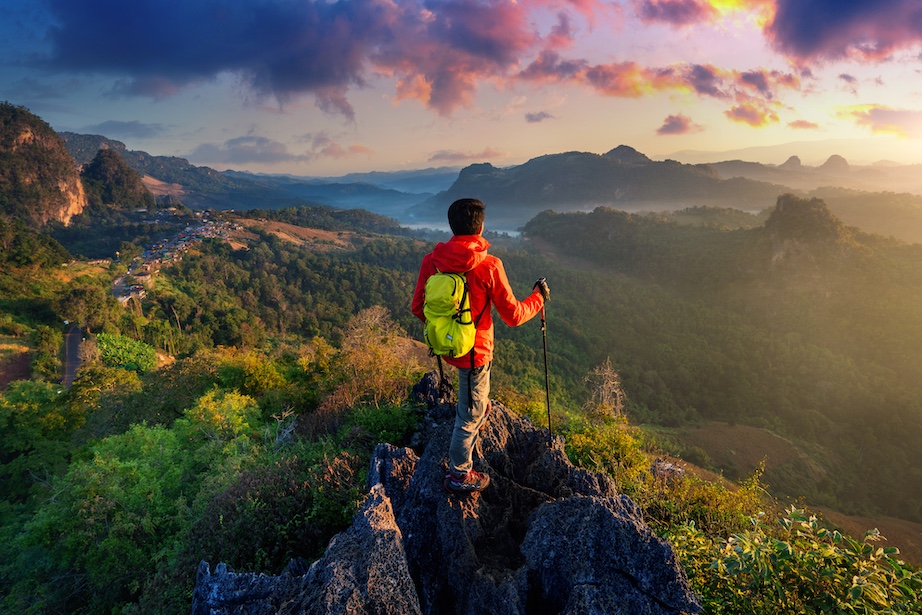
Adventure travel offers excitement, new experiences, and the thrill of exploring the unknown. But along with that excitement comes a set of challenges that every traveler should be ready to face. Whether you’re hiking through rugged mountains, paddling through rivers, or camping in the wild, safety should always be a top priority.
By learning a few key skills, you can be better prepared for anything that comes your way and enjoy your adventure with confidence. Explore the key insights ahead.
The Foundation of Safe Adventure
Before embarking on any journey, it’s essential to establish a solid foundation of safety knowledge. Knowing how to handle the unexpected can turn a dangerous situation into a manageable one. Even a short trip into the wilderness can present risks, and being ready makes a big difference.
Basic first aid is one of the most important skills for outdoor travel. Cuts, sprains, or even more serious injuries can happen without warning.
If you know how to treat wounds, reduce pain, or care for someone until help arrives, you’re already one step ahead. Carrying a first aid kit and knowing how to use it is a must.
Navigation is another critical skill. While many travelers rely on GPS devices and smartphones, these tools are not always dependable in remote areas. Learning how to read a map and use a compass can help you stay on track even when technology fails. Practice these skills close to home before heading out into unfamiliar territory.
Staying Aware and Prepared
Understanding the weather is also essential. Always check the forecast before you head out, and keep an eye on changing conditions during your trip. Storms, extreme heat, or sudden drops in temperature can catch you off guard if you’re not paying attention.
Proper gear, like waterproof clothing or sun protection, can keep you comfortable and safe. Caring for your equipment is just as important as knowing how to use it. Whether it’s your tent, your backpack, or climbing gear, make sure everything is in good shape before you leave.
Being ready for emergencies means knowing how to get help. In many outdoor locations, cell service is limited or not available at all. Consider carrying a satellite phone or a two-way radio.
Let someone at home know where you’re going and when you expect to return. That way, if something goes wrong, they can help raise the alarm.
Building Confidence Through First Aid
When you’re far from the nearest hospital or doctor, your first aid skills matter even more. Taking a basic course in first aid or CPR can prepare you to respond calmly and effectively in an emergency. You’ll learn how to treat everything from blisters to more serious conditions like heat stroke or broken bones.
To learn more, consider exploring online or local courses that offer hands-on training. Confidence is key during travel. When you know you’re prepared, you feel more at ease.
And when challenges do appear, you’re able to respond with a clear head. That mindset can help turn a scary moment into a solvable problem.
Your Journey Begins with Preparation
Adventure travel is about more than just seeing new places. It’s about enjoying the journey while staying safe and prepared. When you know how to care for yourself and others, every trail, river, or mountain becomes more enjoyable.
By focusing on key safety skills like first aid, navigation, and emergency planning, you can explore the world with confidence. The best adventures happen when you’re both excited and ready.
Image by tawatchai07 on Freepik
Contributed posts are advertisements written by third parties who have paid Woman Around Town for publication.