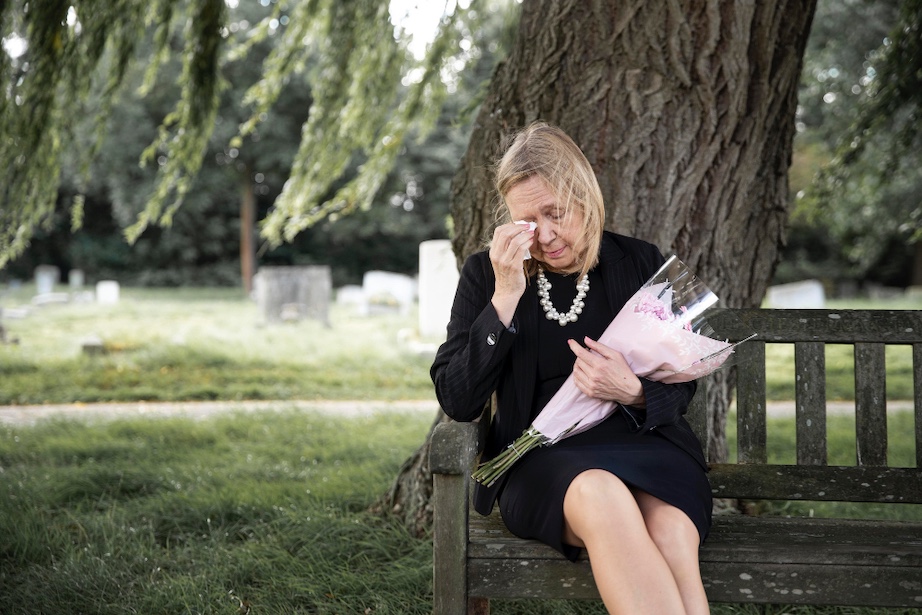
Losing a spouse is one of the most painful experiences a person can go through. For widows, the journey forward can feel overwhelming, marked by grief, loneliness, and uncertainty. However, with resilience, support, and a renewed sense of purpose, widows can rebuild their lives in meaningful ways.
1. Embracing Grief as a Healing Process
Grief is a natural and necessary process. It is important for widows to allow themselves to feel their emotions rather than suppress them. Seeking professional counseling, joining support groups, or confiding in trusted friends and family can make the journey through grief less isolating. Healing takes time, and everyone’s process is unique.
2. Rebuilding Confidence and Independence
Many widows find themselves facing responsibilities they once shared with their spouse. The challenges of a widow can include financial management, home maintenance, and decision-making. Taking small steps to learn new skills, seeking financial advice, or enrolling in workshops can boost confidence. Widows should remind themselves that they are capable of handling life’s challenges, even if it feels daunting at first.
3. Finding a Strong Support System
No one should go through difficult times alone. Surrounding oneself with positive and understanding people—whether family, friends, or a support group—can provide comfort and encouragement. Many communities have widow support networks that offer social connections, mentorship, and resources to help navigate this new chapter in life.
4. Rediscovering Purpose and Passion
The loss of a spouse often leaves a void that is difficult to fill. However, widows can take this time to explore personal interests, pursue a new career path, or volunteer in their community. Engaging in activities that bring joy and fulfillment can help redefine one’s purpose and create a sense of belonging.
5. Prioritizing Self-Care
Widows often focus on caring for others while neglecting their own well-being. It’s essential to practice self-care, whether through exercise, healthy eating, meditation, or simply setting aside time for relaxation. Mental and physical health are crucial for building a strong foundation for the future.
6. Embracing Change and New Opportunities
While the future may seem uncertain, it also holds possibilities for growth and transformation. Whether it’s traveling, learning a new skill, or making new friends, widows should allow themselves to step outside their comfort zone and embrace the unknown. Every small step forward is a step toward a fulfilling life.
7. Honoring the Past While Moving Forward
Moving forward does not mean forgetting a late spouse. Keeping their memory alive through traditions, storytelling, or charitable acts in their honor can be a source of comfort. Finding a balance between cherishing the past and embracing the future is key to healing and happiness.
Conclusion
Widowhood is a deeply personal journey, but it does not have to be one of permanent sorrow. By embracing support, nurturing personal growth, and allowing themselves to find joy again, widows can rebuild a life that is meaningful, empowered, and full of hope. Every woman has the strength within her to rise from grief and reclaim her happiness.
Image by freepik
Contributed posts are advertisements written by third parties who have paid Woman Around Town for publication.