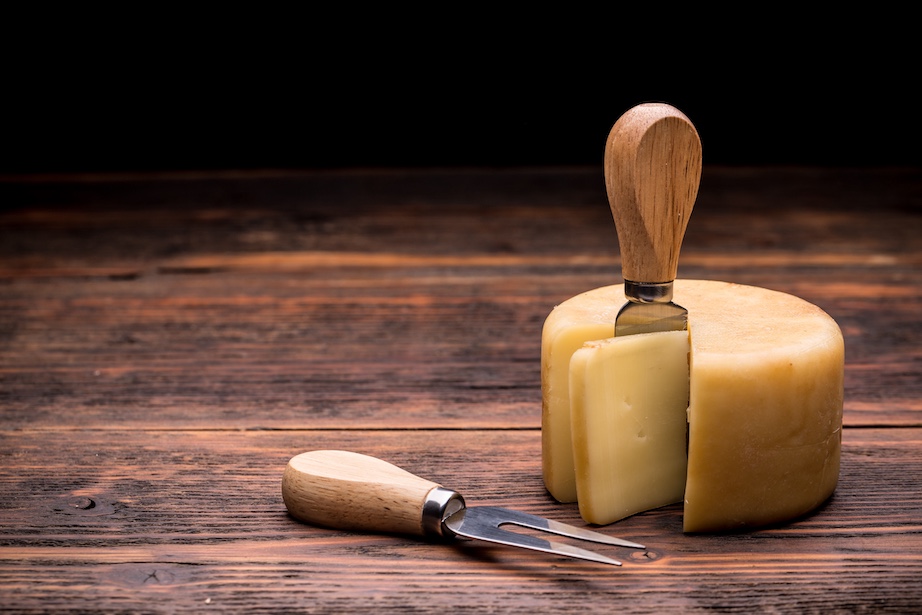
Cheese might sound like an easy thing to serve, but this experience changes based on how we cut and serve it. There are numerous varieties made, ranging from soft and gooey to hard and aged, and every type has a different reaction to using the wrong tool. Cutting up everything with just one knife can result in non-uniform cuts or an overall underwhelming serving experience.
This is the moment when selecting a suitable cheese knife starts to be relevant. If you can understand how the blade shapes and designs play with different textures, you can serve as precisely and effortlessly as possible.
Understanding Cheese Textures
Soft, semi-soft, hard, and crumbly cheeses each offer distinctive difficulties. Soft varieties, like brie or camembert, tend to stick to standard blades. Hard cheeses, such as Parmesan, demand extra strength. Recognizing the texture category is the first step in selecting the correct tool. A single knife rarely does justice to all types. Choosing the right cheese knives becomes much easier once you understand how different textures respond to different blade styles.
Soft Cheese Knives: Gentle Precision
Soft cheeses require a knife that minimizes adhesion and maintains form. A knife with a serrated blade lowers the resistance between the knife and the cheese and minimizes clinging. A thin edge also provides for clean, crisp slices. The tips on their forks help them dish out food without losing their delicate form. This style of knife prevents creamy types from becoming too untidy without making them difficult to handle.
Cheese Knife: Best for Soft Cheeses
Cream cheese, ricotta, and other spreadable options require a flat, wide utensil to smooth a layer over crackers, bread, or other vessels. Spreaders look like tiny spatulas and give you that control without smashing the cheese. It’s built for an even, nuanced spread over loaves of bread or crackers. The cheese stays smooth and appetizing by spreading instead of slicing.
Hard Cheese Knife: Power and Stamina
Firm cheeses need a solid blade with a pointed or short tip. Knives for hard cheese exert simple pressure–they do not crack the cheese into pieces. Some even come with a knife edge for cutting, while others come with a wedge shape for lifting. The solid build provides confidence, cutting through rugged textures. Everyone knows crumbles and shards, but the right knife keeps the mess to a minimum.
Cheese Cleaver
Certain varieties of aged cheese gain a hefty, even crispy top. It also can handle these varieties with ease using a cheese cleaver that has a wide, heavy blade. This gives you controlled, downward pressure that penetrates even the toughest surfaces. This makes the cleaver safe and effective, as it relies on the blade’s weight to do most of the work.
Parmesan Knife: Breaking the Toughest Wheels
Cheeses like Parmesan come in large, hard wheels. The rind is pierced, cleanly splitting the pieces, with a short, sharp blade. This blade, which is shaped like an almond, is compiled especially for this purpose. It doesn’t slice but chips away chunks to preserve more of the original texture. Nonetheless, this method is the best way to showcase some mature cheeses.
Cheese Fork: Serving and Portioning
Cheese forks are used for serving cheese, as well as cutting it (to hold it in place). Each end of the pick-up tool has a two-pronged tip, which facilitates close and effortless retrieval of pieces. Ideal for harder cheeses, this tool prevents slippage and helps you present clean cuts for serving. That is the reason why a lot of cheese boards come with a fork.
Cheese Wire Cutter: Slices of Equal Thickness
A wire cutter assists semi-soft cheeses, such as mozzarella or Havarti. The ultra-thin wire makes a clean glide without sticking or smooshing the cheese. It makes smooth, even cuts for a visually appealing presentation. The wire cutter also makes fewer crumbs, which reduces wastage.
Select and Maintain Cheese Knives
For the avid cheese lover, having the right cheese knife set is almost as important as selecting the right cheese itself. Choose wide, durable handles with top-notch materials and sharp edges for sustainable power. A clean and stored tool retains its effectiveness. Then, proper maintenance keeps each blade set up and prepared for sharp usage.
Conclusion
The taste of cheese is the result of a careful preparation process. Pairing each cheese with the best knife enhances flavor, consistency, and presentation. Whether you are hosting friends or deciding to have a snack for one, the proper blade enhances each kind of cheese. A little effort on the cheese platter details can create a memorable serving.
Image by Grafvision on Freepik
Contributed posts are advertisements written by third parties who have paid Woman Around Town for publication.