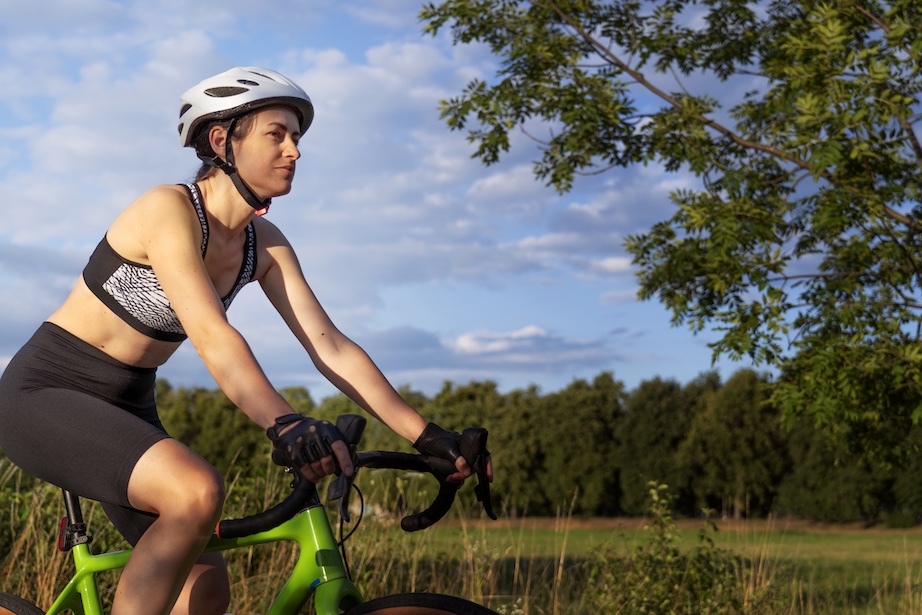
Biking and Hormones: How Cycling Supports Women’s Well-Being

Whether for fun, commuting, or endurance training, biking supports both physical and emotional health beyond just weight loss. Understanding how cycling affects hormones can help women choose activities that support their bodies.

The following curated article is provided by our advertisers. Contributed articles help our readers in categories beyond our main Woman Around Town topics such as legal matters, personal issues, home improvement, and more. While we don’t endorse any of the products mentioned or linked to in these articles, we only publish articles that we hope our readers will find helpful. We often receive compliments about these articles and enjoy them ourselves. We hope you enjoy them as well!

Cycling is a great way to stay fit and improve heart health while reducing stress. For many women, biking also helps balance hormones, stabilize mood, boost energy, and enhance overall well-being.

Biking is low-impact, adaptable, and works for all fitness levels. You can cycle gently on recovery days or push harder when training. Whether for fun, commuting, or endurance training, biking supports both physical and emotional health beyond just weight loss. Understanding how cycling affects hormones can help women choose activities that support their bodies.

Why Hormones Affect Energy, Mood, And Daily Function

Hormones are chemical messengers that control key functions in the body. Estrogen, progesterone, cortisol, insulin, and thyroid hormones influence mood, metabolism, stress, sleep, and reproductive health. When balanced, many women feel more energetic and emotionally stable.

When hormones are unbalanced, symptoms like fatigue, mood swings, irregular cycles, cravings, anxiety, poor sleep, and weight gain may occur. Changes can happen due to stress, postpartum shifts, perimenopause, lifestyle, medical issues, or natural cycles. While exercise isn’t a complete solution, it can help reduce stress and improve metabolic health.

How Cycling Supports Healthy Estrogen And Progesterone Function

Estrogen and progesterone naturally rise and fall throughout the menstrual cycle. Cycling supports these hormones indirectly by promoting circulation, reducing chronic inflammation, and supporting healthy body composition. Regular biking may help reduce intense PMS symptoms because movement increases endorphins and supports serotonin production, which can influence mood and emotional stability.

Cycling may also help women who experience painful periods or cycle-related discomfort by improving blood flow and releasing muscle tension. The key is choosing intensity that works with your body. Moderate cycling often supports hormonal health more than overly intense training that drains energy and increases cortisol.

The Cortisol Connection: Stress Hormones And The Power Of Movement

Cortisol is the body’s main stress hormone. It’s essential for survival, but when cortisol stays high due to constant stress, it can contribute to sleep problems, weight gain, anxiety, and cycle irregularities. Cycling helps regulate cortisol because it provides a natural stress outlet and signals the nervous system to release tension.

A ride can be both physical and therapeutic. The rhythm of pedaling, fresh air, and time away from screens can shift the body out of “fight-or-flight” mode. Over time, consistent cycling can improve stress resilience, making it easier for the body to return to calm after stressful events.

Cycling And Insulin: Supporting Metabolic And Blood Sugar Balance

Insulin plays a huge role in hormone balance. When insulin levels are consistently high, it can affect reproductive hormones and contribute to conditions like insulin resistance and polycystic ovary syndrome (PCOS). Cycling can support insulin sensitivity because it helps the body use glucose more efficiently.

Even moderate cycling a few times a week can support healthier blood sugar regulation. This matters because balanced blood sugar often leads to more stable energy, fewer cravings, and reduced inflammation. Over time, it can help women feel more consistent throughout the day instead of experiencing sharp energy spikes and crashes.

How Cycling Can Help Sleep—And Why Sleep Supports Hormones

Hormone health depends heavily on sleep. Poor sleep can disrupt cortisol patterns, increase appetite hormones, and affect estrogen and progesterone balance. Cycling supports sleep by increasing physical fatigue in a healthy way and helping regulate circadian rhythm, especially when done outdoors in natural daylight.

Women who cycle regularly often find they fall asleep faster and wake up with more stable energy. The best timing depends on the person—some sleep better after morning rides, while others benefit from afternoon activity. Consistency matters more than perfection because the body responds best to predictable routines.

Mood, Endorphins, And Emotional Well-Being

Cycling is known to boost endorphins, which are natural mood enhancers. It also supports dopamine and serotonin production, which are tied to motivation, mental clarity, and emotional stability. That’s one reason biking is often recommended for stress, low mood, and anxiety management.

For women who experience emotional shifts around hormonal changes—such as PMS, postpartum periods, or perimenopause—cycling can provide a physical outlet that supports both emotional release and nervous system regulation. Even short rides can create a noticeable mental reset.

Safety Matters When Cycling Becomes Part Of Your Routine

As more women turn to cycling for health and well-being, safety becomes part of the conversation. Biking should support wellness—not put it at risk. Unfortunately, cyclists face dangers from distracted drivers, unsafe road design, and poor visibility, especially in busy areas. Even cautious riders can be injured by a vehicle that fails to yield or passes too closely.

In the middle of a wellness routine, an injury can feel unfair and disruptive. If a rider is hurt due to driver negligence, support may be needed not only for recovery but also for protecting legal rights. That’s where Jacoby & Meyers Accident & Injury Lawyers can help cyclists understand their options, pursue accountability, and seek compensation when a crash interrupts health, work, and daily life.

Tips For Cycling In A Way That Supports Hormone Balance

Cycling supports women’s wellness best when it’s consistent, sustainable, and not overly punishing. Here are a few helpful principles:

  • Aim for consistency over intensity: Regular moderate rides often support hormones better than rare extreme workouts.
  • Fuel properly: Under-eating can disrupt hormones, especially for active women.
  • Adjust effort based on your cycle: Many women feel stronger at certain phases and need more rest in others.
  • Mix in recovery rides: Gentle movement can still support mood and circulation without stressing the body.
  • Prioritize sleep and hydration: Hormone health thrives on basic recovery needs.

The goal is to use cycling as a supportive tool, not a stressor. Listening to the body and adjusting when needed is part of long-term wellness.

Cycling Supports Women’s Health In More Ways Than One

Cycling can be a powerful wellness practice for women because it supports hormone balance through stress reduction, improved insulin sensitivity, better sleep, mood enhancement, and healthier circulation. It offers a low-impact way to stay active, regulate energy, and build emotional resilience—without requiring extreme strain on the body.

When cycling becomes a consistent part of life, its benefits often extend beyond physical fitness. It can help women feel more stable, energized, and connected to their bodies. With a safe, sustainable approach, biking can support both hormonal health and overall well-being, turning movement into a form of long-term self-care.

Image by freepik

Contributed posts are advertisements written by third parties who have paid Woman Around Town for publication.


Share This Post:

Bluesky Icon Bluesky
Facebook

Most business owners spend money on CCTV, alarm systems, roller grilles, padlocks, and still get surprised when a break-in happens, or when they open up on a Tuesday and find their merchandise bleached out and…

Glucagon-like peptide-1, commonly known as GLP-1, is a naturally occurring hormone that has become central to conversations about appetite regulation and metabolic health. Produced in the intestines after eating, this hormone signals satiety to the…

You can get used to blurry vision more than you think. Squinting at your phone, holding books a little closer, avoiding night driving, these things slowly become part of your routine. At first, it feels…

There are few ways to start a day worse than waking up in more pain than you went to sleep with. If upper back pain after sleeping is a regular part of your mornings, it’s…

Wellness is no longer built around isolated habits. Instead, it is becoming a combination of routines that support both physical and mental well-being in a consistent, sustainable way. From skincare to stress management, people are…

Something has quietly shifted in the way women think about income. The old model, focusing on one job, one paycheck, one path, is giving way to something more fluid, more creative, and frankly more interesting.…

Beyond Blinds: The Dual Functionality of Rolling Shutters

Most business owners spend money on CCTV, alarm systems, roller grilles, padlocks, and still get surprised when a break-in happens, or when they open up on a Tuesday and find their merchandise bleached out and faded from months of direct sunlight sitting behind glass. The problem isn’t your security budget. It’s that you’ve been treating two separate business problems, protection and climate control, as two separate expenses. They don’t have to be. Rolling shutters solve both.

read more

The Science Behind GLP-1 Supplement Drinks for Managing Sugar Cravings

Glucagon-like peptide-1, commonly known as GLP-1, is a naturally occurring hormone that has become central to conversations about appetite regulation and metabolic health. Produced in the intestines after eating, this hormone signals satiety to the brain, helps regulate blood sugar levels, and influences how quickly food moves through the digestive system. As researchers have deepened their understanding of GLP-1’s mechanisms, a new category of wellness products has emerged: GLP-1 supplement drinks designed to support the

read more

5 Common Vision Problems That May Qualify for Surgical Correction

You can get used to blurry vision more than you think. Squinting at your phone, holding books a little closer, avoiding night driving, these things slowly become part of your routine. At first, it feels manageable. Then one day, you realize you are planning your life around what you can and cannot see clearly. In many places, including busy areas like New Jersey, where people rely on clear vision for work, commuting, and daily life,

read more

Waking Up With Upper Back Pain? Here’s What Your Sleep Setup Might Be Doing Wrong

There are few ways to start a day worse than waking up in more pain than you went to sleep with. If upper back pain after sleeping is a regular part of your mornings, it’s a signal worth paying attention to, not just for your comfort, but for your overall health. The upper back is a complex region, and the causes of sleep-related pain there are more varied than most people realize. What’s Actually Happening

read more

Modern Wellness Routines Are Blending Skincare Science and Everyday Balance

Wellness is no longer built around isolated habits. Instead, it is becoming a combination of routines that support both physical and mental well-being in a consistent, sustainable way. From skincare to stress management, people are looking for approaches that fit naturally into their daily lives without feeling overly complex or time-consuming. This shift reflects a broader understanding that long-term results come from habits that can be maintained, not just from occasional effort. At the same

read more
You've loaded all available articles in this category

Beyond Blinds: The Dual Functionality of Rolling Shutters

Most business owners spend money on CCTV, alarm systems, roller grilles, padlocks, and still get surprised when a break-in happens, or when they open up on a Tuesday and find their merchandise bleached out and faded from months of direct sunlight sitting behind glass. The problem isn’t your security budget. It’s that you’ve been treating two separate business problems, protection and climate control, as two separate expenses. They don’t have to be. Rolling shutters solve both.

read more

The Science Behind GLP-1 Supplement Drinks for Managing Sugar Cravings

Glucagon-like peptide-1, commonly known as GLP-1, is a naturally occurring hormone that has become central to conversations about appetite regulation and metabolic health. Produced in the intestines after eating, this hormone signals satiety to the brain, helps regulate blood sugar levels, and influences how quickly food moves through the digestive system. As researchers have deepened their understanding of GLP-1’s mechanisms, a new category of wellness products has emerged: GLP-1 supplement drinks designed to support the

read more

5 Common Vision Problems That May Qualify for Surgical Correction

You can get used to blurry vision more than you think. Squinting at your phone, holding books a little closer, avoiding night driving, these things slowly become part of your routine. At first, it feels manageable. Then one day, you realize you are planning your life around what you can and cannot see clearly. In many places, including busy areas like New Jersey, where people rely on clear vision for work, commuting, and daily life,

read more

Waking Up With Upper Back Pain? Here’s What Your Sleep Setup Might Be Doing Wrong

There are few ways to start a day worse than waking up in more pain than you went to sleep with. If upper back pain after sleeping is a regular part of your mornings, it’s a signal worth paying attention to, not just for your comfort, but for your overall health. The upper back is a complex region, and the causes of sleep-related pain there are more varied than most people realize. What’s Actually Happening

read more

Modern Wellness Routines Are Blending Skincare Science and Everyday Balance

Wellness is no longer built around isolated habits. Instead, it is becoming a combination of routines that support both physical and mental well-being in a consistent, sustainable way. From skincare to stress management, people are looking for approaches that fit naturally into their daily lives without feeling overly complex or time-consuming. This shift reflects a broader understanding that long-term results come from habits that can be maintained, not just from occasional effort. At the same

read more
You've loaded all available articles in this category