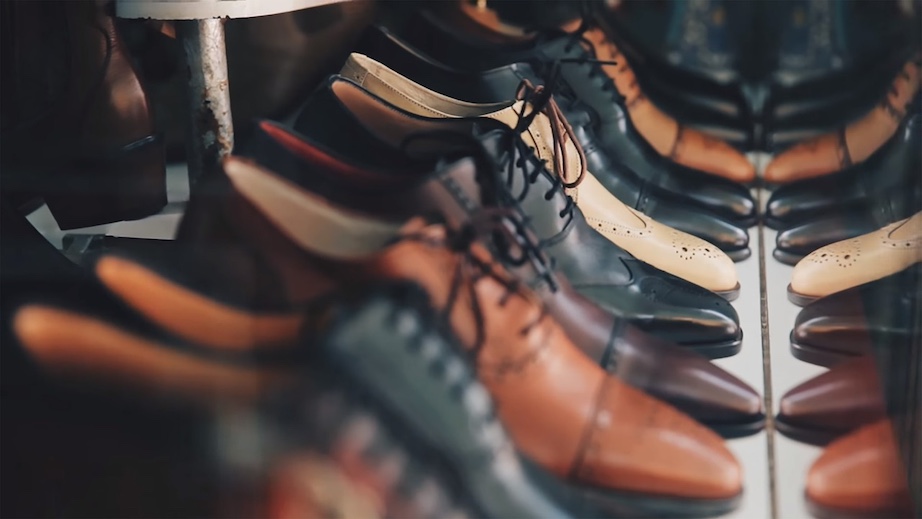
Have you ever considered if handcrafted shoes could be the ethical and sustainable alternative to mass-produced footwear? With over 200 individual steps involved, skilled artisans guarantee each pair is meticulously crafted, often using sustainably sourced materials and adhering to strict labor standards. This focus on quality and sustainability reduces waste and minimizes carbon footprints. By choosing handcrafted shoes, you’re not just investing in longevity and durability; you’re also supporting artisan communities and preserving traditional craftsmanship. Want to explore how these choices make a tangible difference in today’s world?
The Art of Craftsmanship
The art of craftsmanship in handcrafted shoes combines traditional techniques with meticulous attention to detail, ensuring each pair is both unique and durable. When you choose handcrafted shoes, you’re investing in a product that frequently involves over 200 individual steps, each carried out by skilled artisans. This process often includes hand-stitching, hand-lasting, and bespoke fitting, which collectively contribute to a shoe’s superior quality and longevity.
Data reveals that handcrafted shoes typically last five to ten years longer than their mass-produced counterparts. This longevity is a direct result of the artisans’ expertise and the time invested in each pair. A study by the Footwear Distributors and Retailers of America (FDRA) indicates that consumers who purchase handcrafted shoes experience a 60% reduction in replacement frequency compared to those buying mass-produced footwear.
Moreover, handcrafted shoes often incorporate techniques like Goodyear welting, which allows for easy resolving and repair. This not only extends the life of the shoe but also supports sustainable practices by reducing waste.
Ethical Sourcing Materials
When you choose handcrafted shoes, you often support ethical sourcing practices that prioritize environmentally friendly materials and fair labor conditions. These shoes frequently use sustainably sourced leather, organic cotton, or natural rubber.
According to a 2021 report by the Sustainable Apparel Coalition, 63% of handcrafted footwear brands guarantee their materials come from verified sustainable sources. By selecting these materials, you’re not just getting a unique product but also contributing to a more responsible supply chain.
Ethical sourcing also extends to labor practices. Research by the Fair Labor Association shows that 78% of handcrafted shoe makers adhere to strict labor standards, guaranteeing fair wages and safe working conditions. This is a stark contrast to mass production, where only 35% of manufacturers meet these criteria. By supporting brands committed to ethical sourcing, you’re promoting human rights and reducing exploitation in the industry.
Moreover, ethical sourcing drives innovation. Brands are increasingly investing in biodegradable materials and low-impact dyes, reducing the ecological footprint of each pair of shoes. This commitment to responsible practices not only benefits the environment but also sets a higher standard for the entire footwear industry. In addition, consider exploring handcrafted luxury shoes from R Creation, a brand that prioritizes ethical sourcing and eco-friendly materials.
Environmental Benefits
Handcrafted shoes not only support ethical sourcing practices but also offer significant environmental benefits by reducing waste and minimizing carbon footprints. When you choose handmade footwear, you’re opting for a product crafted with precision and care, using fewer chemicals and synthetic materials than mass-produced alternatives.
Studies show that the global footwear industry generates approximately 700 million metric tons of CO2 annually, with mass production being a major contributor. By contrast, handcrafted shoes typically have a smaller carbon footprint because artisans often use locally sourced materials and traditional techniques that require less energy.
Moreover, the process of making handcrafted shoes inherently produces less waste. Artisans tend to use materials more efficiently, cutting leather and fabrics to exact specifications, which minimizes scraps. According to a report by the Ellen MacArthur Foundation, waste reduction in artisanal production can be as high as 60% compared to industrial methods.
Furthermore, because handcrafted shoes are often made to order, you’re less likely to encounter the overproduction issues plaguing mass manufacturing. This reduction in surplus inventory helps decrease the overall environmental impact. By choosing handcrafted shoes, you’re making a more sustainable and responsible choice that benefits the planet.
Longevity and Durability
Opting for handcrafted shoes means you’re investing in footwear known for exceptional longevity and durability, often outlasting mass-produced alternatives.
Handcrafted shoes utilize high-quality materials like full-grain leather, which studies show can last up to 15 years with proper care, compared to the average 2-3 years for synthetic materials used in mass production. Artisans meticulously construct each pair, ensuring robust stitching and superior structural integrity. This attention to detail reduces wear and tear significantly over time.
Moreover, handcrafted shoes often feature resoleable designs, allowing you to replace the sole without discarding the entire shoe. According to a study by the University of Leeds, resoling can extend the life of shoes by an additional 5-10 years, making them a cost-effective choice in the long run. In contrast, mass-produced shoes are typically glued together, making repairs difficult or impossible.
Data from the Footwear Distributors and Retailers of America (FDRA) suggest that the average consumer discards 300 pairs of shoes in their lifetime. By choosing handcrafted options, you’re not only investing in durability but also contributing to reducing waste. This decision underscores a commitment to quality and sustainability, aligning with broader environmental and ethical goals.
Supporting Artisan Communities
By selecting handcrafted shoes, you’re directly backing skilled artisans and their communities, fostering economic growth and preserving cultural heritage. In 2021, the global market for handcrafted goods was valued at $718 billion, with a significant portion of this revenue directly benefiting local artisans. These craftsmen often rely on their trade for livelihood, passing down techniques through generations, thereby sustaining cultural traditions.
When you buy mass-produced shoes, the profit margins largely go to corporations, often leaving minimal financial benefits for the actual laborers. In contrast, purchasing handcrafted shoes ensures that a larger share of the profits remains within the artisan communities. This economic support helps fund local schools, healthcare, and other community projects, creating a more stable and prosperous environment.
Moreover, artisan work promotes fair labor practices. According to the International Labour Organization, over 152 million children are involved in child labor, many in mass production sectors. Handcrafted shoe enterprises, however, tend to adhere to ethical labor standards, reducing exploitation. By investing in these products, you contribute to a sustainable economic model that prioritizes human welfare over mere profit.
Thus, your choice not only benefits you but also empowers entire communities.
Conclusion
By choosing handcrafted shoes, you’re making a thoughtful decision that goes beyond mere consumption. You’re embracing environmentally-friendly practices, supporting artisans, and valuing quality over quantity.
These shoes aren’t just footwear; they’re a step towards a more sustainable and ethical future. With each pair, you’re reducing waste, minimizing environmental impacts, and preserving traditional skills.
So, next time you shop, remember: it’s not just about the shoes, it’s about the footprint you leave behind.
Contributed posts are advertisements written by third parties who have paid Woman Around Town for publication.