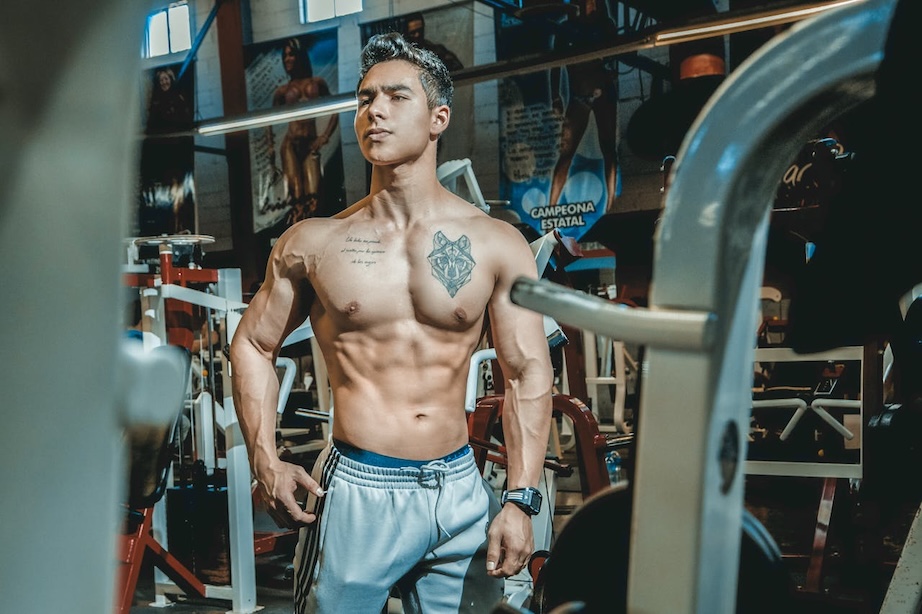
A weight machine is a valuable tool in strength training that provides stability and control. It helps users target specific muscles and improve form during various exercises. Using the machine correctly is vital to avoid injury and maximize effectiveness.
The Smith machine offers a controlled environment for weightlifting, making it easier to focus on proper technique. Ensuring safety while using the machine is crucial for achieving the best results. Following these seven tips will help users safely incorporate the machine into their workout routine.
1. Ensure Proper Foot Placement
Foot placement plays a key role in maintaining stability and balance during exercises. Position the feet flat on the floor and directly beneath the hips for optimal support. A solid base will help prevent instability and reduce the chance of falling.
Ensure weight is evenly distributed across both feet to maintain proper posture and avoid unnecessary strain during lifts. Proper placement prevents unnecessary movements, ensuring controlled and effective exercises. Adjust foot positioning based on the type of lift being performed to optimize balance.
2. Set the Barbell at the Right Height
Setting the barbell at the correct height is essential for proper technique. The bar should be positioned just below shoulder height for squats and similar exercises. This setup ensures a safe and effective range of motion without putting strain on the joints.
Always verify the bar height before starting each set to ensure a safe and comfortable workout. The right height allows for better execution of lifts and prevents unnecessary discomfort. Proper adjustment minimizes the risk of awkward movements that could lead to injury.
3. Keep the Core Engaged
Engaging the core throughout each lift ensures stability and helps protect the spine. A strong core prevents the lower back from taking on excessive stress during lifts. Maintaining this muscle engagement also helps maintain proper form and prevents imbalances.
Focus on controlled movements while keeping the core tight to avoid injury and promote a smooth, safe exercise. Consistent core activation stabilizes the entire body, supporting safer and more efficient movements. It also helps maintain posture, especially during heavy lifts or complex exercises.
4. Don’t Lock the Joints
It is important to avoid locking the joints during exercises. Keeping a slight bend in the knees and elbows allows for better flexibility and smooth movement. Locked joints increase pressure on the bones and ligaments, which can lead to injury.
Keeping the joints relaxed, but controlled, ensures safer movement and minimizes strain on the body. This practice maintains healthy joint function, allowing for a full range of motion with reduced risk. A slight bend also enables faster recovery and greater control during each rep.
5. Use Proper Breathing Techniques
Proper breathing is essential for maintaining control and endurance throughout each set. Inhale during the eccentric phase (lowering the weight) and exhale during the concentric phase (lifting the weight). This rhythm helps regulate pressure and prevents fatigue.
Consistent, controlled breathing supports better performance and reduces the risk of dizziness or muscle strain. Proper breathing also aids in maintaining focus, ensuring better performance under heavier loads. It keeps the body oxygenated, improving overall strength and stamina during the workout.
6. Start with Light Weights and Increase Gradually
It is crucial to start with lighter weights to focus on form and technique. Lifting heavy weights too early can compromise form and lead to injury. Begin with a manageable weight, allowing muscles to adapt and strengthen over time.
Gradually increase the load as strength improves, ensuring proper technique is maintained throughout each progression. This approach minimizes the risk of overtraining and supports sustainable muscle development. Starting light also allows the body to adapt to the movements and become accustomed to the machine’s mechanics.
7. Always Have a Spotter When Lifting Heavy
A spotter is crucial when lifting heavy weights, especially during exercises like squats and bench presses. A spotter ensures the barbell is controlled and can assist if the lifter is unable to complete a rep. Having a spotter minimizes the risk of the barbell falling and causing injury.
Always communicate with the spotter to ensure they are prepared to assist when needed. A spotter provides both mental and physical support, helping maintain focus during demanding lifts. Their presence allows for greater confidence during maximum efforts and complex exercises.
The Smith machine is a valuable tool for strength training when used properly. Following these seven safety tips helps minimize injury risks and enhances workout effectiveness. Proper foot placement, bar height adjustment, core engagement, and breathing techniques are key to a successful session. Gradual progression in weight and the use of a spotter ensure safety during intense lifts. Focus on these safety practices to make every machine workout both effective and injury-free.
Photo by Sabel Blanco at pexels.com
Contributed posts are advertisements written by third parties who have paid Woman Around Town for publication.