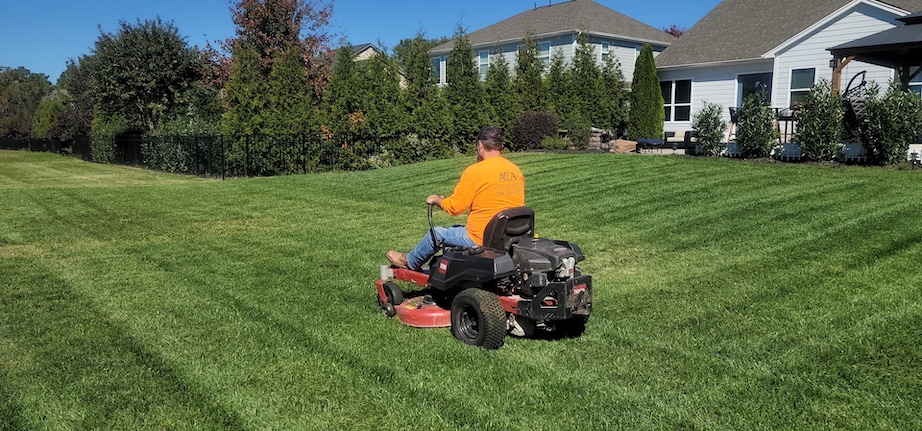
There is a lot more to ensure a healthy lawn than just regular mowing. An easy one to forget is changing the mower oil. One of the routine maintenance steps is to ensure that the engines are working efficiently. But having clean oil prevents that natural buildup and actually reduces the wear-and-tear on the key component. What to do after each piece of practical advice keeps the mower reliable from season to season.
Choose the Right Oil
Even the mower engine oil you have selected doesn’t matter. Manufacturers usually recommend specific types. Using an appropriate oil grade also helps in protecting the machinery. Always refer to the manual provided with the mower before you make a purchase. Good-quality oil keeps the engine clean and prevents wear and tear on engine parts. When changing oil, do not be tempted to mix old oil with new oil. Choosing lawn mower oil ensures reliable performance that balances durability with cleaner operation.
Prepare Proper Tools and Workspace
Thorough preparation is crucial for the success of any maintenance project. Gather essential tools before starting. These are a wrench, a drain pan, a funnel, and some clean rags. Place newspapers under the mower or on a plastic sheet. It avoids spillage stains on the ground. It saves you time and minimizes the mess, as all the items are organized neatly.
Run the Engine Briefly
A few minutes of running time with the mower brings the oil up to temperature. When draining oil, warm oil flows better and can carry more dirt and debris away. On the other hand, do not wait for the engine to be too hot. Warm oil drains fast, but hot oil burns. Just a few laps are often enough to ease the process.
Disconnect the Spark Plug
The process is also still important to safety. Disconnect the spark plug wire before doing any work. The goal is to prevent inadvertent starting whilst handling the engine. By gently tugging on the wire, you risk damaging it as it moves up. Move the wire aside to prevent it from interfering with the job. Safety comes first during maintenance operations.
Drain Old Oil Completely
After the mower has cooled for a little while, find the oil drain plug. Put the drain pan underneath the plug. Using the wrench, unscrew the plug and let the old oil drain out. If you want to get those last few drops, tilt the mower slightly. The best results will be obtained if all the used oil is drained from the engine. Don’t discard old oil; instead, transport it to a recycling center.
Change the Oil Filter When Required
Other mowers have an oil filter that must also be addressed. Check the manual to determine whether the mower has one. If yes, replace the filter with every oil change. Carefully remove the old filter and put a little oil on the gasket of the new filter before screwing it on. Hand-tighten only , but do not overtighten. Changing air filters ensures the smooth running of the engine and increases its life.
Refill with Fresh Oil Carefully
Use a funnel to pour more oil after you drain and replace your filter. Pour slowly to avoid spills. Use the dipstick to check the oil level and fill only to the upper mark (do not overfill). If this overfilling occurs repeatedly, the engine may struggle to breathe over time, potentially causing damage. Wipe up any drips that get on the mower body. Screw on your oil cap properly (depending on your car) before continuing.
Check for Leaks and Reconnect
Check the mower for any leaks in the area of the drain plug and the filter. If a leak occurs, gradually tighten connectors. Reattach the spark plug wire if you’re satisfied. If it is not already, the setup process should begin with the engine running. That will allow the new oil to circulate. Following the engine shutoff, check the oil level again. Top up only if needed, but in small amounts.
Conclusion
Keep engines clean, and change lawn mower oil regularly. Anyone can perform these eight simple steps to achieve professional results. Maintenance helps avoid damage that can be expensive and increases the longevity of the mower. The procedure also makes lawn care jobs easier down the line if you keep up with the maintenance. Regular oil changes are the key to keeping a green, healthy lawn the whole season.
Photo by Michael Smith on Unsplash
Contributed posts are advertisements written by third parties who have paid Woman Around Town for publication.